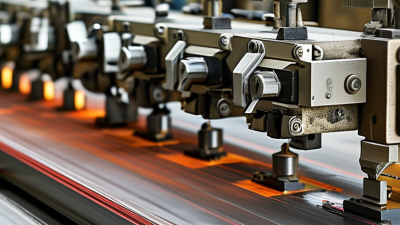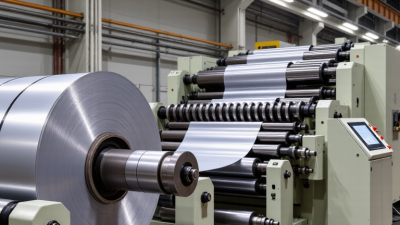

In 2026, choosing a steel slitting line is less about buying the fastest machine and more about matching it to real production needs. A slitter machine steel setup unwinds a coil, cuts it into narrower strips, and rewinds the finished material. The details matter: steel grade, thickness, coil width, strip width, and expected output can all change which configuration makes sense.
This guide compares common options, from compact lines for lighter gauges to heavy-duty systems built for thicker coils. It also looks at high-speed designs, precision slitting arrangements, and lines with different recoiling and tension-control features. A small workshop processing narrow strips may value a compact footprint and straightforward changeovers. A larger operation handling wide coils may need stronger loading equipment, dependable strip alignment, and careful tension control. Those are practical differences, not brochure language.
That matters.
Buyers should compare usable thickness ranges, knife setup, operating speed, maintenance access, and available technical support—not just headline capacity. Ask how the machine performs with the materials you actually run. A specification sheet can look convincing, yet leave out setup time or the space needed for coil handling. There is no perfect configuration for every plant. Some trade-offs only become obvious after installation, and that deserves honest consideration. The sections ahead explain key machine types and the questions that help buyers narrow their choices.
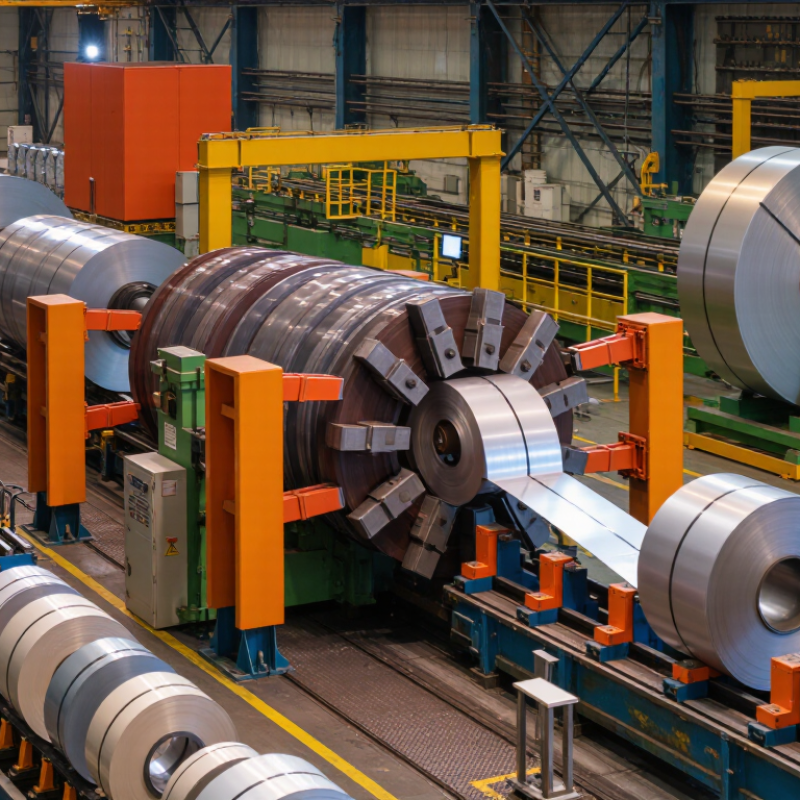
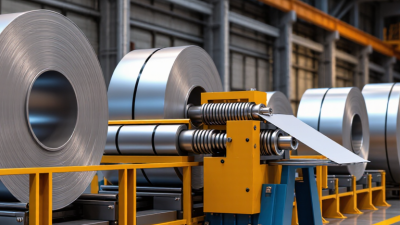
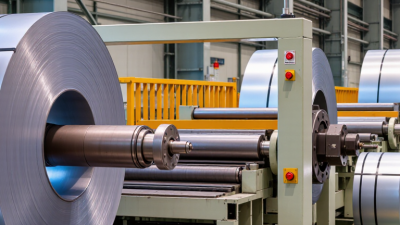
A steel slitter machine unwinds a wide coil, guides the strip through rotating knives, then rewinds narrower coils. The process sounds simple. In practice, stable feeding matters. An operator sets knife spacing to match the required strip widths and checks blade overlap before running. A leveler may flatten coil memory, while edge guides help keep the material centered. The entry mandrel expands inside the coil, holding it firmly as the line pulls steel forward. Tension must remain controlled.
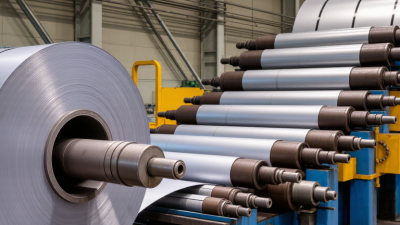
As the strip passes through the knife arbor, circular blades shear it into multiple bands. Small setup errors can leave burrs, uneven edges, or strips that wander during winding. After slitting, separators keep the bands apart, and a recoiler winds each group onto a narrower core. Recoiler tension is critical: too little creates loose, telescoping wraps; too much can stretch thin-gauge steel. Operators watch the coil edges, listen for vibration, and adjust speed when the strip begins to flutter. Not every line behaves as expected. Coil hardness, thickness variation, and knife wear can change the result, even with familiar settings. A trial run and measured sample strips often reveal more than a neat setup sheet.
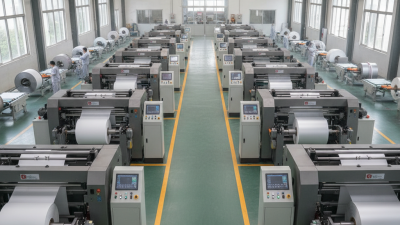
In 2026, steel slitter machines are best grouped by coil weight, strip width, and required edge quality. A basic manual or semi-automatic line suits lighter coils and lower output. Operators load and thread the material, while powered drives move it through the cutting section. These systems are simpler to configure, but require careful handling and more operator attention. For frequent production, an automatic line can add coil loading, threading, tension control, and recoiling functions. That reduces handling pauses. Extra automation also means more components to maintain, so it may not suit every plant.
Rotary-shear slitting lines are a common choice for cutting coils into multiple narrower strips. Adjustable circular knives help set strip width, while spacers and tooling condition affect cut quality.
Precision lines are designed for tighter width tolerances and cleaner edges, which can matter for downstream forming. Heavy-gauge systems use stronger frames and drives to handle thicker steel and higher coil loads. Some layouts include an accumulator to keep material moving during coil changes.
A practical comparison should include the narrowest strip, steel thickness, coil weight, and expected changeover time. No setup is perfect. A line sized only for peak output may be harder to justify when daily production is modest.
How Slitter Configurations Affect Production Capacity
A slitter’s rated speed is only part of its real output. Coil width, thickness, strip strength, and the number of cuts all affect how quickly a line can run. A narrow strip may need careful tension control, while a wide coil with many slit lanes can demand frequent blade setup. These differences show up in usable tonnes per shift, not just metres per minute. Setup matters.
Configuration shapes both running time and changeover time. An entry coil car and well-matched uncoiler can reduce loading delays; a stable slitter head and tension stand help limit edge damage and strip wandering. Scrap winders and recoiler capacity also matter: undersized equipment can force slower speeds or extra stops. The World Steel Association’s World Steel in Figures 2024 reports 1,892.2 million tonnes of crude steel production worldwide in 2023. That figure signals the scale of the supply chain, but it is not a slitting-line capacity benchmark. Buyers should compare expected orders, coil dimensions, slit patterns, and changeover frequency against measured good output. A faster line may still underperform. I would want trial data for the actual material mix; catalog speed alone leaves too much unanswered.
When comparing steel slitter machines, match the machine type to your coil range and production rhythm. Compact or manually adjusted lines can suit lower volumes and frequent material changes. Semi-automatic models reduce setup effort, while fully automatic lines can support steady, higher-volume runs. More automation is not always better; it can add cost and maintenance needs that a small shop may not use.
Compare the working limits, not just the advertised speed. Check maximum coil width, material thickness, slitting tolerance, and the time needed to change knives. Tension control matters: inconsistent tension can leave coils loose or cause edge damage. Inspect the recoiler arrangement and ask how operators handle narrow strips. Also compare guarding, controls, floor-space needs, and access to routine service points. A polished specification sheet can still miss the details that affect daily operation.
Tips: Bring sample material and request a test run at your expected thickness and width. Watch the edge quality, coil shape, and setup time. Ask what adjustments operators must make by hand. Small inconsistencies may appear only during longer runs, so one quick demonstration is not enough.
A steel slitter should be matched to the coil, the finished strip, and the pace of your plant. Start with material grade, thickness range, maximum coil weight, and required strip width. Then check slit-width tolerance and burr limits against the next operation. A stamping line may need tight width control; a service center may value quick changeovers across varied orders. Small details matter. A coil that is too heavy for the uncoiler can disrupt the whole line.
The World Steel Association’s World Steel in Figures 2024 reports 1,892.2 million tonnes of crude steel production in 2023. That scale shows why “standard capacity” is a poor buying shortcut: production needs differ sharply by product and process. For thin-gauge stainless, assess tension control, knife setup, and surface protection. For thick plate, check arbor strength, drive power, and safe handling capacity. High-speed lines suit stable, repeatable runs; flexible or lower-speed systems can make more sense for frequent product changes. Ask suppliers to demonstrate your actual material and target widths, not just a sample coil. Also review scrap handling, operator access, and setup time. A specification sheet rarely captures every awkward changeover. I would leave room for future products, but not pay for capacity your floor cannot use.