
Choosing the right slitting line machine can significantly impact your production efficiency. Many manufacturers face challenges in selecting an appropriate machine. Each operation has varying requirements, making the choice complex.
Understanding your specific needs is crucial. Consider the material type, thickness, and the desired width of the final strips. These factors help narrow down options. A machine must accommodate your production scale, whether small or large.
Evaluating the reliability and expertise of suppliers is also essential. Some manufacturers may promote impressive features but lack real-world performance. It's wise to seek recommendations and reviews. Balancing cost and quality matters. A lower price might sacrifice durability, leading to regret later. Investing in a quality slitting line machine can yield long-term benefits.
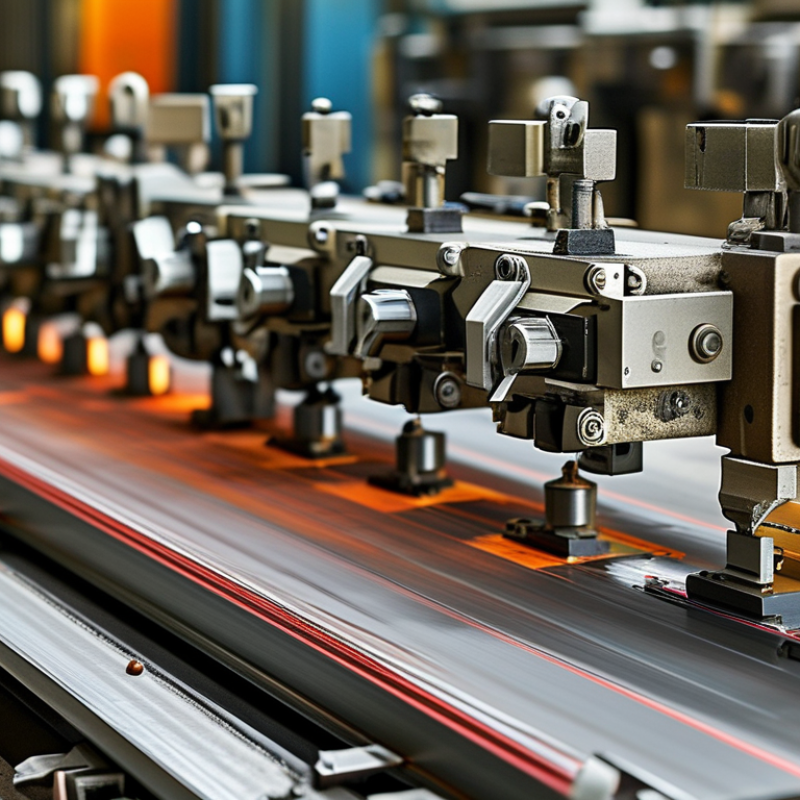
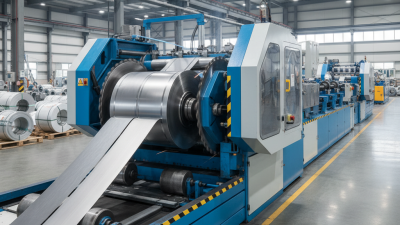
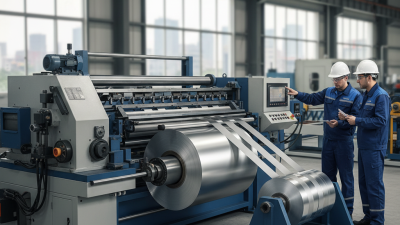
Slitting line machines play a critical role in the metal processing industry. Their main function is to cut large metal coils into narrower strips. Understanding their applications helps in choosing the right machine for specific needs. These machines are used across various sectors, including automotive, construction, and appliances, with a reported market size expected to surpass $3 billion by 2026.
When selecting a slitting line machine, consider factors like material type and thickness. High-quality steel sheets often require specialized blades for precise cutting. Dull blades can lead to inconsistent strip widths. It’s also essential to evaluate line speed. Machines that can operate at higher speeds may boost productivity but often involve higher costs.
Tip: Look for machines with adjustability features. Models that allow quick settings changes can reduce downtime significantly.
Cost-effectiveness is another crucial aspect. A more expensive machine might offer better durability and performance, reducing long-term operational costs. However, a basic model might suffice for companies handling lighter materials.
Tip: Always assess the total cost of ownership. Include maintenance and operational costs in your calculations.
When selecting a slitting line machine, several key factors can significantly impact your decision. The first aspect is the material you plan to process. Different materials, such as metal or plastic, require specific slitting techniques and equipment. Understanding your materials is crucial to ensure compatibility. You must also evaluate the machine's cutting precision. Precision affects the quality of your final product. A machine with superior accuracy minimizes waste and maximizes efficiency.
Another critical factor is the production capacity. Assess your daily output requirements. A machine with a lower capacity might not meet high demands, while an overly powerful machine can be an unnecessary expense. Maintenance and service aspects should also be considered. Reliable service and support can save you time and costs in the long run.
Finally, you should reflect on the adaptability of the machine. Markets change, and so do production needs. A versatile machine can adjust to different products or changes in material types. Knowledge about these factors allows for informed decisions. Each aspect can guide you toward the best choice, but it's essential to evaluate your unique circumstances carefully.
When selecting the best slitting line machine, it's crucial to understand the various types and their specifications. Generally, slitting lines can be categorized into two main types: heavy-duty slitting machines and light-duty slitting machines.
Heavy-duty machines are designed for high-volume operations, often handling thicker materials. These machines typically operate at speeds of up to 800 feet per minute and feature advanced tension control systems. Conversely, light-duty machines are suitable for thinner materials with a lower speed range, usually around 300 feet per minute.
Additional specifications to consider include the slitting width and core diameter. Machines often accommodate widths from 1 inch to over 60 inches, depending on the intended application. Moreover, a reliable machine should offer a core diameter of at least 3 inches for optimal material handling. Industry reports suggest that investing in upgraded technology can enhance efficiency, with some new models reporting up to a 20% increase in cutting precision.
Tip: Always evaluate your specific production needs. This ensures that you select a machine that aligns with your output requirements. Consider energy consumption and maintenance costs as well, since these factors can significantly impact long-term operational efficiency. Reflecting on your production capacity could lead to insights about potential upgrades or adjustments, ensuring you choose the right slitting line effectively.
When considering a slitting line machine, budgeting is crucial. It's tempting to focus only on the purchase price. However, additional costs often surprise buyers. These may include installation, maintenance, and training for operators. Understanding these hidden costs can help prevent future financial strain.
A thorough cost analysis helps identify the most suitable option for your business. Start by evaluating your production needs. Higher capacity machines typically incur higher upfront costs. Yet, they may offer better efficiency over time. Assess your long-term production goals. Prioritize machines that meet these needs without excessive unnecessary features.
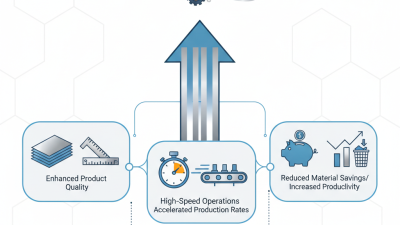
Lastly, it's essential to understand the potential for ROI. A more expensive model may have lower operational costs and higher production rates. Conversely, a cheaper machine might lead to frequent downtime. Always weigh the initial investment against potential savings. Balancing immediate costs with future benefits can be challenging, but it's vital for sustainable operations.
When selecting the best slitting line machine, evaluating manufacturers is crucial. Look for companies that have a strong track record in the industry. Consider their years of experience and customer reviews. A reputable manufacturer often showcases testimonials from satisfied clients. It’s wise to request references to gauge the quality of their machinery and service.
After-sales support can make or break your investment. Ensure the manufacturer offers robust technical assistance. A quick response to inquiries is essential. Training for your team on the machine’s operation and maintenance is also vital. Some manufacturers even provide spare parts support. This can prevent long downtimes should issues arise.
Don’t overlook the importance of warranty terms. A clear warranty can reflect a manufacturer’s confidence in their product. If the warranty coverage is limited, it might indicate underlying quality concerns. Take the time to assess all these factors. Your choice shouldn’t be rushed. A thoughtful decision can lead to long-term efficiency and savings.