
Scroll Top
4801 Bennett Rd. Toledo, Ohio 43612

How to Choose a Metal Coil Slitting Machine

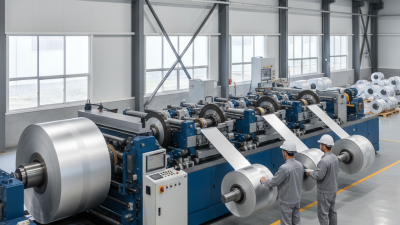
Choosing a metal coil slitting machine starts with the material, not the machine’s headline speed. Coil thickness, width, tensile strength, and surface finish all affect the required setup. A line designed for thin aluminum may not handle thicker steel consistently. Details matter.

The machine’s working width, slitting range, and knife arrangement should match your actual production mix. Check whether the slitter can maintain strip width and edge quality at your expected operating speed. Recoiling tension, coil weight, and loading equipment also influence the finished roll. A fast slitting head is not enough if the recoiler leaves loose or uneven coils.

Consider how operators will change knives, adjust separators, and clear routine faults. Accessible controls and straightforward changeovers can reduce downtime, especially when orders vary. Ask suppliers for specifications, installation requirements, maintenance guidance, and references from users processing similar materials. Where possible, review sample strips or arrange a material trial before committing.

It is easy to focus on the purchase price. That can miss the cost of tooling, service, energy, and production interruptions over time. Compare complete operating requirements, not just quoted capacity. Measure twice. Then check the assumptions against your real coils and output targets. No specification sheet can replace that step. A careful choice gives operators a line suited to the work, rather than a machine that looks impressive but struggles with everyday production.
How to Choose a Metal Coil Slitting Machine

Identify Your Production Requirements and Slitting Goals

Choosing a metal coil slitting machine starts with the material you actually run, not the widest catalog specification. List metal types, thickness range, incoming coil width, coil weight, and required strip widths. A line handling thin aluminum may need different tension control from one processing thicker steel. Note the narrowest strip and tightest width tolerance you expect to maintain. Small details matter.

Then define the production goal. Record average shifts, target throughput, changeover frequency, and acceptable edge condition. If operators switch between many slit patterns, setup time and knife adjustment may matter more than maximum line speed. Ask suppliers how speed changes with material thickness and strip count. Request a trial using representative coils, if practical. A spreadsheet can miss real handling issues; even a good plan may need revision after the first production run.

Tips: Bring sample coil data and a typical slit pattern to technical discussions. Confirm whether your floor can accommodate the line, coil loading, scrap handling, and safe operator access. Leave room for future product changes, but avoid paying for capacity you cannot use. Track scrap and downtime after installation; those figures reveal whether the machine matches your goals.

Match Machine Capacity to Coil Material and Dimensions

Match the slitter to the coil you actually process, not just the widest coil in a supplier’s brochure. Record material grade, thickness range, coil width, inside and outside diameters, and maximum coil weight. Keep some headroom. A machine rated for the nominal thickness may struggle when higher-strength steel increases cutting load. Aluminum and mild steel also behave differently at the knives, so confirm the intended material range with the machine engineer.

World Steel Association’s World Steel in Figures 2024 reports 1,892.2 million tonnes of crude steel production in 2023. That scale signals a broad range of steel products, not one universal coil specification.

Match the uncoiler, shafts, knives, and recoiler to your heaviest and most demanding coils. Check whether the stated capacity applies across the full working width. Numbers matter. A narrow coil may fit the width limit but exceed shaft or weight limits.

Ask for a written capacity chart using your actual material grades and dimensions. A tidy spec sheet can still hide an awkward operating gap; verify the setup with a representative coil before committing.

Evaluate Slitting Methods, Tooling, and Line Components

Choose the slitting method against the material, thickness, and required edge quality—not just line speed. Rotary shear slitting uses matched circular knives and suits many steel and aluminum coils. Razor slitting can work for very thin strip, while crush cutting may suit softer, thinner stock. Test the actual material where possible. World Steel Association’s World Steel in Figures 2024 reports 1,892.2 million tonnes of crude steel production in 2023; the International Aluminium Institute reports 70.6 million tonnes of primary aluminum that year. These figures show the scale of production, not the capacity a particular line needs.

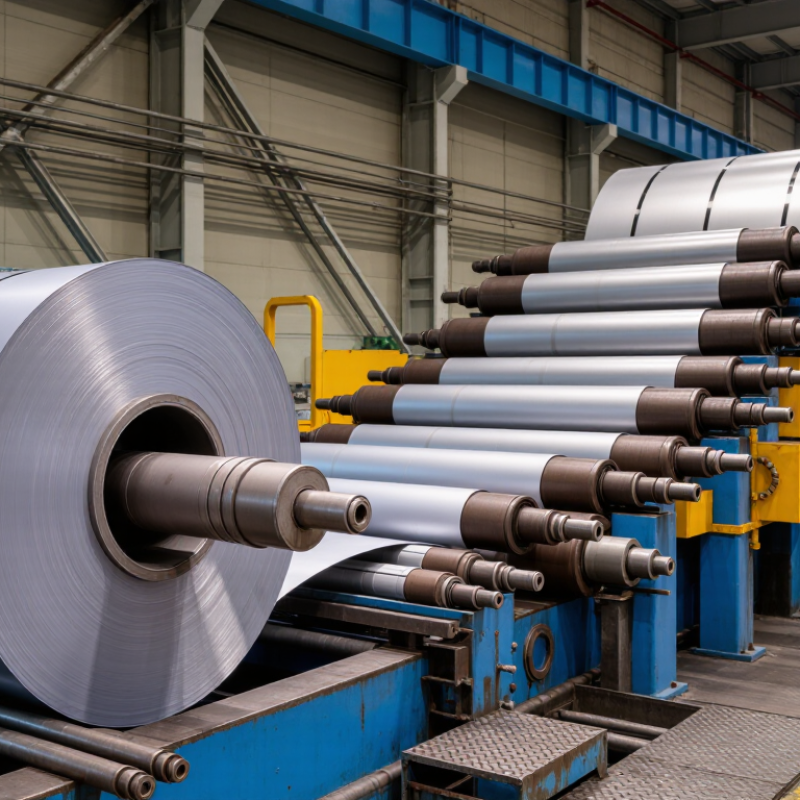
Tooling deserves close attention. Knife clearance and overlap must match strip gauge and mechanical properties; poor settings can leave burrs, camber, or uneven edges. Ask how knives are sharpened, changed, and aligned. Small details matter. Check the uncoiler, pinch rolls, leveler, scrap winder, separator discs, and recoiler as one system. Their tension control and alignment affect finished-coil shape and handling. Specify the narrowest and widest strip, coil weight, and changeover frequency you actually expect. A high-speed rating can look attractive on paper, but it may not reflect stable production with your material. A neat specification sheet can still mislead; trial cuts often reveal what the quote leaves unclear.

How to Choose a Metal Coil Slitting Machine - Evaluate Slitting Methods, Tooling, and Line Components

Evaluation Area Option or Component Purpose Selection Considerations
Slitting method Rotary shear slitting Uses overlapping circular knives to cut the coil into narrower strips. Commonly selected for metal strip when consistent slit edges and repeatable strip widths are required. Knife clearance and overlap should be set for the material and thickness.
Slitting method Razor slitting Uses fixed razor blades to slit suitable thin or flexible materials. May suit lighter-gauge applications, but blade life, material hardness, thickness, and edge-quality requirements should be checked before selection.
Slitting method Crush slitting Uses rotary knives that press against an anvil or opposing surface to separate material. Can be mechanically simple, but may produce more edge deformation than a properly set rotary shear. Confirm that the resulting edge meets product requirements.
Tooling Slitter knives Make the cuts that divide the master coil into narrower strips. Match knife material, hardness, geometry, and condition to the metal being processed. Damaged or dull edges can increase burrs and affect cut quality.
Tooling Spacers and shims Position knives and set the spacing between cutting stations. Check dimensional accuracy, stack-up consistency, and setup procedures. Knife spacing determines strip width and must account for the tooling arrangement.
Tooling Separator discs and stripper rings Support and separate slit strands as they leave the slitter head. Choose configurations that help prevent strip overlap, scratching, and edge damage while accommodating the strip widths and material being run.
Line component Uncoiler and coil loading system Supports and feeds the incoming master coil into the processing line. Verify coil weight, outside diameter, inside diameter, coil width, and loading method against the intended production requirements.
Line component Entry guide and coil-end handling Aligns and guides the strip into the slitter head. Look for reliable centering and safe, practical threading. Entry equipment should suit the material, coil dimensions, and planned operating workflow.
Line component Slitter head and drive Holds the tooling and provides the motion needed to slit the strip. Assess shaft stiffness, tooling access, setup repeatability, drive control, and the machine’s rated material and production limits.
Line component Looping or strip-accumulation system Manages strip between sections of the line and helps accommodate differences in material flow. Consider available floor space, line layout, material handling, and whether the operating process requires a pit or another accumulation arrangement.
Line component Tension control and recoiler Maintains strip control and winds the finished strands into coils. Check tension adjustment, recoiler capacity, strip-width range, coil dimensions, and the ability to produce stable, consistent rewind coils.
Line component Scrap handling and safety systems Collects edge trim and helps protect operators during setup and operation. Review scrap-winding capacity, guarding, interlocks, emergency stops, and safe access for threading, tooling changes, and maintenance.

Compare Automation, Safety Features, and Operating Controls

How to Choose a Metal Coil Slitting Machine

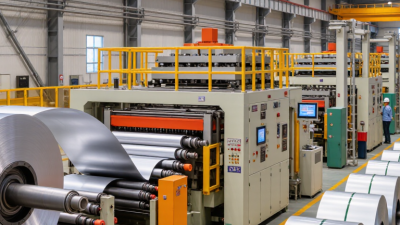
Compare automation by looking at how the line handles loading, threading, width changes, and coil discharge. A system with automatic positioning can reduce repetitive adjustments, but it may add setup complexity. For frequent product changes, check how quickly operators can enter new widths and verify blade spacing. For longer runs, stable tension control may matter more than a faster changeover. Ask to see the machine process a coil similar in thickness and width to yours.

Safety features should support safe work without making routine tasks awkward. Look for fixed guards around rotating shafts, clearly marked emergency stops, and interlocks that prevent access during operation. Controls should show practical information, such as line speed, tension settings, and fault messages. Test whether an operator can pause the line and identify the cause of a fault without searching through vague menus. A polished screen is not enough. It can still hide a confusing workflow.

Tips: During a demonstration, watch one complete changeover. Note how tools are stored, where the operator stands, and whether settings are easy to confirm. Ask how training and maintenance are handled. Small details matter, though they are easy to overlook when comparing headline speeds.

Assess Maintenance Needs, Supplier Support, and Total Cost of Ownership

Maintenance is not a line item; it affects coil quality and usable uptime. On a slitter, worn knives, bearing play, or poor arbor alignment can create burrs and uneven edges. Ask how often knives, spacers, and tension components need service with your materials and gauges. Request a written schedule and a live changeover demonstration. The U.S. Department of Energy’s Operations & Maintenance Best Practices guide estimates predictive maintenance savings of 8–12% over preventive maintenance, and 30–40% over reactive maintenance. These are broad benchmarks, not guarantees for a slitting line.

Supplier support matters when a line stops mid-run. Ask about response times, technician availability, operator training, and spare-part lead times. Get written prices for knives, bearings, and control components. NIST Handbook 135’s life-cycle-costing approach looks beyond purchase price to operating, maintenance, and replacement costs. Apply that thinking to energy, labor, scrap, downtime, and tooling over the machine’s expected service life. A cheaper line may cost more when coil widths change daily. It can still lie: even a detailed spreadsheet may miss the cost of delayed support or a slow changeover.

How to Choose a Metal Coil Slitting Machine

Assess maintenance needs, supplier support, and total cost of ownership

This illustrative five-year planning example totals $185,000: $120,000 purchase, $8,000 installation, $20,000 maintenance, $15,000 tooling and consumables, $12,000 energy, and $10,000 estimated downtime. Actual costs vary with machine configuration, production hours, local energy prices, service agreements, and supplier support. Request itemized quotes and confirm spare-parts availability and maintenance requirements before comparing machines.