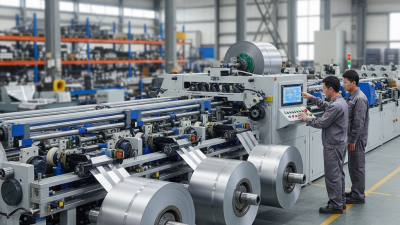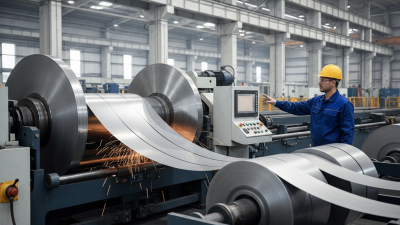

Choosing the right metal slitting machine can shape production quality, delivery speed, and long-term operating costs. Global buyers face different materials, coil widths, thickness ranges, and power standards. A machine that performs well in one factory may disappoint in another.
This guide reviews seven leading options for international purchasing teams. Each selection considers cutting accuracy, line stability, automation, safety features, maintenance access, and supplier support. We also examine practical details, such as burr control, knife setup time, recoiler tension, and finished-coil handling. These details matter. A clean slit edge can prevent costly downstream defects.
Dr. Taylan Altan, a respected sheet-metal forming expert, has emphasized, “Quality must be designed into the process, not inspected into it.” That principle applies strongly to slitting operations. Buyers should examine the complete production system, not only the machine’s advertised speed. Motor control, tooling rigidity, operator training, and spare-part availability can matter more than impressive specifications.
No ranking is perfect. Real factory conditions change the result. A high-speed line may waste material when handling narrow coils. A lower-cost machine may require more manual adjustment. That trade-off deserves honest attention. Before choosing, compare test-cut samples, technical drawings, warranty terms, installation support, and regional service coverage. The best metal slitting machine is not always the most expensive model. It is the one that consistently matches your material, output target, workforce, and future plans.
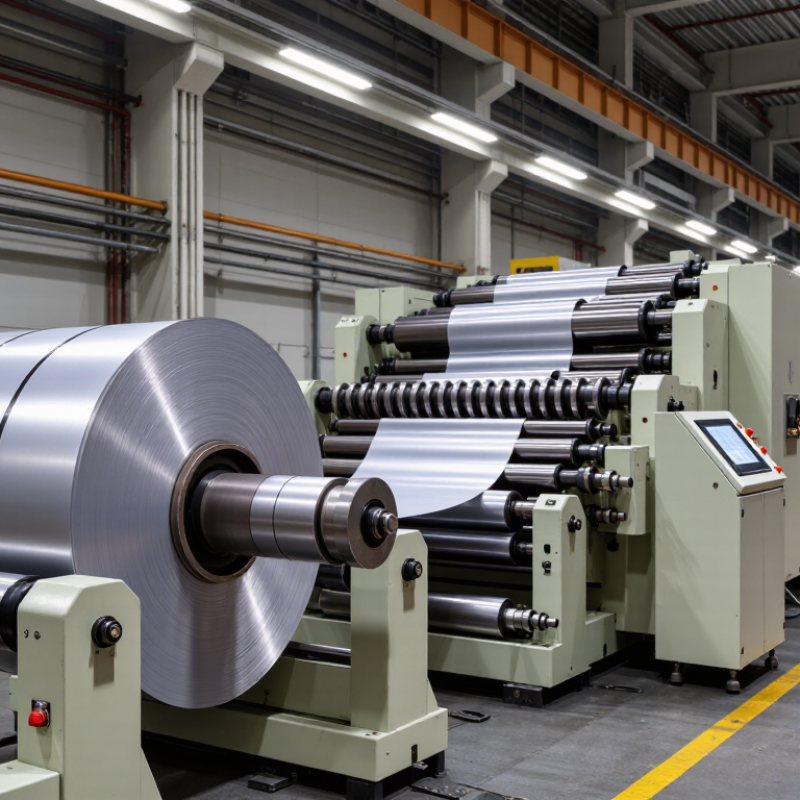
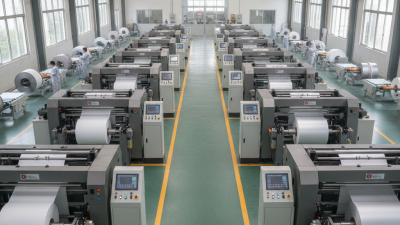
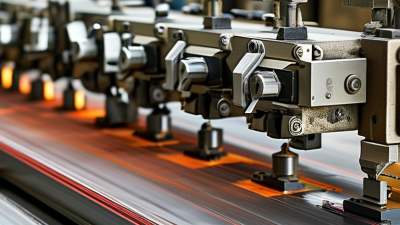
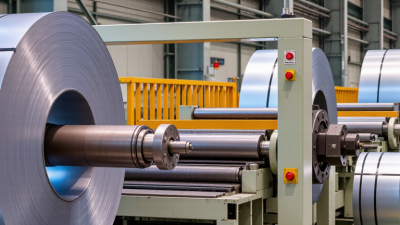
A metal slitting machine converts wide coils into narrower strips with circular rotary knives. The line usually includes an uncoiler, pinch rolls, slitter head, separators, and recoiler. The uncoiler feeds the coil at controlled tension. Knives then shear the sheet continuously, rather than cutting it with a stamping action. The recoiler winds finished strips into compact coils.
Knife spacing determines strip width. Knife overlap affects cutting quality and burr formation. Excessive pressure can mark the surface or shorten tool life. Low tension may create telescoping coils, especially with thin steel. Operators must also control line speed, material thickness, yield strength, and camber. Small adjustments matter. Sometimes, the first setup still needs correction.
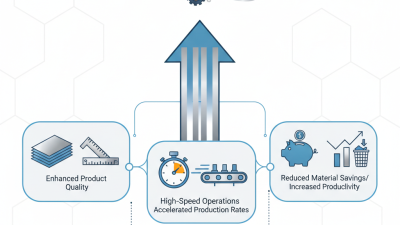
The World Steel Association reported 1.884 billion tonnes of global crude steel production in 2023. That volume supports continuing demand for accurate coil processing across construction, automotive, and appliance supply chains. The International Energy Agency reported that industry produced about 9.2 gigatonnes of direct carbon dioxide emissions in 2022. Slitting does not replace efficient melting, but lower scrap rates and stable production reduce avoidable material waste. Buyers should examine usable width range, thickness tolerance, knife diameter, tension control, and documented safety procedures. Catalog speed alone is not enough. A slower line with cleaner edges may deliver better operating value.
Typical maximum material thickness by machine configuration. Values are representative engineering ranges, not brand rankings.
A metal slitting machine unwinds a master coil, cuts it longitudinally with circular knives, and rewinds the narrower strips into finished coils. Buyers should compare thickness, strip width, material strength, line speed, knife accuracy, and coil weight before selecting a configuration. Thinner materials generally require higher knife precision, while thicker steel needs greater machine rigidity and drive torque.
7 Best Metal Slitting Machines for Global Buyers?
Global buyers should compare specifications, not attractive catalog photos. The working width must match your coils, with enough adjustment for future orders. Check the maximum coil weight, strip thickness range, and material types. A machine rated for 0.2-millimeter steel may struggle with thicker stainless material. Ask for measured speed under load, not only the advertised maximum. Web tension control matters greatly when narrow strips must stay straight. Poor tension can create edge waves, uneven winding, and expensive scrap. It happens quickly.
Blade material and shaft design also deserve close inspection. Confirm the slitting method, spacer accuracy, knife-change time, and usable arbor diameter. A strong recoiler should maintain stable winding pressure across different strip widths. Buyers should compare motor efficiency, braking response, noise levels, and emergency-stop access. Safety guards and documented electrical compliance are essential for international installation. Requirements may differ between destinations, so written certificates should be verified independently.
From practical evaluations, the best seven choices are not always the fastest machines. They include compact lines for light-gauge coils, heavy-duty systems for thick steel, precision lines for narrow strips, and flexible machines for mixed materials. A trial cut can reveal more than a specification sheet. Request sample results, coil maps, tolerance data, and maintenance records. Remote support, spare-part availability, and operator training can determine real productivity. I once underestimated setup time; that mistake changed the purchase criteria. A cheaper machine may become costly when tooling changes are slow.
| Machine Type | Typical Material | Maximum Coil Width | Material Thickness | Maximum Coil Weight | Slitting Speed | Minimum Strip Width | Knife and Separator Setup | Tension Control | Recommended Buyer Profile |
|---|---|---|---|---|---|---|---|---|---|
| 1. Compact Narrow-Width Slitter | Carbon steel, stainless steel, aluminum, galvanized steel | 800–1,300 mm (31.5–51.2 in) |
0.20–2.00 mm (0.008–0.079 in) |
3–10 tonnes | 80–150 m/min | 20–30 mm | Manual or semi-automatic knife positioning; rubber or felt separators | Brake-controlled or basic closed-loop tension | Small and medium converters, service centers, and buyers with limited floor space |
| 2. Precision Thin-Gauge Slitter | Aluminum foil, tinplate, stainless steel, electrical steel | 1,000–1,600 mm (39.4–63.0 in) |
0.025–0.80 mm (0.001–0.031 in) |
5–15 tonnes | 200–500 m/min | 10–25 mm | High-precision circular knives with adjustable differential separators | Load-cell feedback with automatic tension regulation | Foil, transformer-lamination, precision strip, and thin-gauge packaging applications |
| 3. Heavy-Gauge Coil Slitter | Hot-rolled steel, pickled steel, stainless steel, high-strength steel | 1,500–2,000 mm (59.1–78.7 in) |
1.00–6.00 mm (0.039–0.236 in) |
20–35 tonnes | 60–120 m/min | 50–80 mm | Hydraulic knife arbor with powered knife and separator adjustment | Hydraulic or regenerative tension control | Steel processors requiring high coil capacity, robust construction, and stable heavy-strip handling |
| 4. High-Speed Automatic Slitter Rewinder | Cold-rolled steel, galvanized steel, stainless steel, aluminum | 1,300–1,800 mm (51.2–70.9 in) |
0.30–3.00 mm (0.012–0.118 in) |
10–25 tonnes | 300–600 m/min | 25–40 mm | Automatic knife positioning, programmable recipes, and automatic separator control | PLC-based closed-loop control with load cells and dancer or feedback rolls | High-volume service centers focused on throughput, repeatability, and reduced setup time |
| 5. Multi-Slit Narrow-Strip Line | Stainless steel, copper, brass, aluminum, coated steel | 1,000–1,600 mm (39.4–63.0 in) |
0.10–2.50 mm (0.004–0.098 in) |
8–20 tonnes | 150–350 m/min | 12–20 mm | Multiple knife sets with precision spacers and independently adjustable separators | Individual or zoned tension control for multiple narrow strips | Manufacturers of tubes, cable components, automotive parts, and narrow precision strips |
| 6. Duplex Differential-Shaft Slitter | Aluminum, stainless steel, galvanized steel, pre-painted steel | 1,300–2,000 mm (51.2–78.7 in) |
0.20–3.00 mm (0.008–0.118 in) |
10–30 tonnes | 200–450 m/min | 20–30 mm | Two differential rewind shafts; suitable for mixed-width and low-tension coils | Independent rewind torque control with programmable taper tension | Buyers producing different strip widths in the same order and seeking consistent coil hardness |
| 7. Fully Automated Coil Processing Slitter | Carbon steel, stainless steel, aluminum, electrical steel, coated products | 1,600–2,200 mm (63.0–86.6 in) |
0.30–4.00 mm (0.012–0.157 in) |
20–40 tonnes | 150–400 m/min | 30–50 mm | Automatic coil loading, knife setup, scrap handling, separator positioning, and coil unloading | Integrated PLC, load cells, automatic speed synchronization, and recipe-based tension control | Large global processors prioritizing labor reduction, traceability, safety, and high equipment utilization |
Specification note: The figures shown are representative configuration ranges commonly used in industrial metal coil slitting. Actual capacity depends on material grade, yield strength, coil dimensions, knife design, rewinding method, line layout, and required strip tolerances. Buyers should confirm final specifications against their target materials and production requirements.
Choosing the right metal slitting machine starts with your material, not the machine’s advertised speed. Identify the metal type, coil width, thickness range, tensile strength, and surface finish. Steel, aluminum, and coated sheets can behave differently under identical blade pressure. A machine designed for thin aluminum may struggle with harder steel.
Check the required slit width and tolerance carefully. Wider knives are not always better. For narrow strips, inspect the spacer system, knife adjustment, and shaft stability. Hydraulic or pneumatic tension control can reduce edge waves during rewinding. Your target output also matters. High speed sounds attractive, but poor tension can create telescoping coils and damaged edges. It happens more often than catalogs suggest.
Ask for a trial using your actual coil material. Bring samples with the narrowest and thickest specifications. Watch the setup time, strip alignment, burr formation, and finished coil tightness. The operator’s access to knives and controls also affects daily productivity. Safety guarding, emergency stops, dust control, and documented maintenance support should be clear before purchase. I once focused too heavily on cutting speed and underestimated changeover time. That decision increased labor costs. A reliable supplier should explain capacity limits, service response, spare parts, and training without vague promises. Some specifications may still need verification after testing.
Global buyers need more than a fast machine. The World Steel Association reported approximately 1.89 billion tonnes of crude steel production in 2023. That scale supports continued demand for reliable coil-processing equipment.
Based on common international purchasing criteria, seven leading configurations deserve attention: high-speed thin-gauge slitters, heavy-gauge slitters, precision foil slitters, narrow-strip slitters, multi-knife production lines, automatic setup slitters, and compact entry-level machines. Each serves a different production reality.
A high-speed line may exceed 400 metres per minute, but speed can reduce edge quality. Heavy-gauge systems require stronger arbors, wider knives, and stable hydraulic tension. Precision machines need accurate knife positioning, often within a few hundredths of a millimetre. Automatic setup reduces changeover time and limits operator error. It is useful.
Market studies from Grand View Research and Fortune Business Insights identify automation, energy efficiency, and flexible production as major trends in metal-processing equipment.
Buyers should therefore check motor power, coil weight, strip width, thickness range, rewinding tension, safety guarding, and local service access.
I have seen specifications look impressive on paper, yet poorly matched knives created burrs and wasted material. A perfect ranking does not exist. The best machine is the one that fits the buyer’s steel grade, order volume, workforce skills, and maintenance capacity.
7 Best Metal Slitting Machines for Global Buyers?
A good metal slitting machine should protect operators before it reaches full production speed. Check for guarded blades, emergency-stop buttons, interlocked doors, and clear warning labels. Operators should load coils with stable lifting equipment, not improvised tools. I have seen small shortcuts create serious risks around sharp edges and stored tension. Training must cover threading, blade changes, and safe restart procedures. Short sessions work better than thick manuals.
Maintenance affects both accuracy and safety. Inspect knives, spacers, shafts, belts, and electrical connections at scheduled intervals. Keep the slitting area free from oil and metal scraps. A simple log should record blade wear, vibration, downtime, and replaced parts. Uneven strip edges may indicate poor alignment, dull tooling, or incorrect tension. Do not blame the material too quickly. That mistake is common.
After-sales support matters when production stops at midnight. Buyers should confirm response times, remote diagnosis, installation guidance, and spare-parts availability before purchasing. Ask whether technicians can communicate clearly across time zones. A reliable supplier should provide drawings, maintenance procedures, and troubleshooting videos. Local service partners can reduce delays, but their skills may vary. This deserves verification. Even experienced teams miss routine checks during busy seasons, so support should remain practical, documented, and easy to reach.