

What Is the Steel Coil Slitting Machine Price in China?
What Is the Steel Coil Slitting Machine Price in China?
The steel coil slitting machine price in China varies widely. A basic line may cost around US$30,000 to US$80,000. Heavy-duty precision systems can exceed US$200,000. These figures are practical market ranges, not fixed quotations. Specifications change quickly.
World Steel Association data recorded approximately 1.89 billion tonnes of crude steel production in 2023. That scale supports China’s large coil-processing equipment sector. The OECD’s steel-capacity reports also show continuing pressure on efficiency, automation, and production costs. These trends influence machine design and export pricing.
Edwin Basson, Director General of worldsteel, has described steel as “essential to modern life.” His observation explains why slitting accuracy matters beyond the machine itself. A narrow strip error can create scrap, customer complaints, and delayed deliveries. Small details matter.
Buyers should compare entry price, line speed, strip width, material thickness, knife systems, recoiler capacity, and electrical standards. A machine priced at US$55,000 may exclude installation, spare blades, testing, freight, or commissioning. That is easy to miss. A low quote can become expensive.
Experience also shows that supplier support deserves a clear value. Ask for coil samples, tolerance records, motor brands, warranty terms, and after-sales response times. Chinese manufacturers can offer strong customization, but quality consistency differs between factories. My estimate may still be imperfect because exchange rates and steel-service demand change monthly. Therefore, this guide treats the steel coil slitting machine price as a decision range, not a promise. Reliable comparison requires written specifications and at least three comparable quotations.
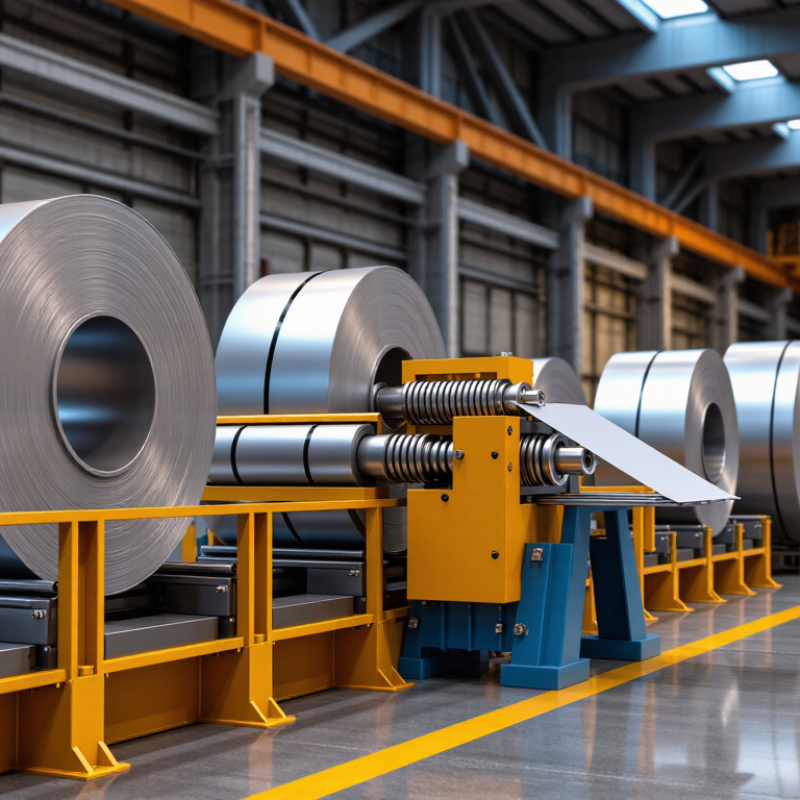
Steel Coil Slitting Machine Basics: 0.2–20 mm Thickness and 1,600 mm Width
A steel coil slitting machine in China is priced according to its working range, not appearance. For the 0.2–20 mm thickness range, the machine needs a rigid frame, powerful uncoiler, and controlled tension. A maximum width of 1,600 mm also affects the design. These specifications cover thin electrical steel and heavy coils, but one setup rarely performs equally well across both extremes. That limitation matters.
For this specification, quotations may range from tens of thousands to several hundred thousand US dollars. Price changes with coil weight, strip width, slitting speed, and finished-strip accuracy. A basic line may suit thinner material and modest output. Heavy-duty equipment needs stronger shafts, wider mandrels, braking systems, and safer guarding. Automatic loading, scrap winders, edge guiding, and programmable controls can raise the investment. However, cheaper equipment may create burrs, telescoping coils, or uneven strip tension. I have seen impressive specifications fail during actual production.
Buyers should request a complete configuration, including knives, spacers, power supply, installation, training, and spare parts. Ask for a trial using your actual coil grade and thickness. That test is valuable. Check whether 0.2 mm material runs without scratches. Also check whether 20 mm stock stays stable during acceleration. Confirm that 1,600 mm means usable coil width, not nominal capacity. Transport, commissioning, and customization may change the delivered cost. I would not trust a low quote without production evidence.
What Is the Steel Coil Slitting Machine Price in China? - Steel Coil Slitting Machine Basics: 0.2–20 mm Thickness and 1,600 mm Width
| Machine Configuration | Suitable Thickness | Maximum Coil Width | Typical Coil Weight | Approximate Line Speed | Typical Slitting Capacity | Indicative China Price | Main Application |
|---|---|---|---|---|---|---|---|
| Light-Gauge Precision Slitting Line | 0.20–1.00 mm | 1,600 mm | Up to 15 tonnes | 80–150 m/min | Up to 20–30 strips, depending on material and strip width | US$45,000–85,000 | Electrical steel, galvanized sheet, stainless steel, coated steel, and thin carbon steel |
| Standard Medium-Gauge Slitting Line | 0.50–3.00 mm | 1,600 mm | Up to 20 tonnes | 60–120 m/min | Commonly 4–20 strips, based on knife arrangement and material grade | US$65,000–120,000 | Carbon steel, galvanized steel, pre-painted steel, and stainless steel |
| Heavy-Duty Medium-Gauge Line | 2.00–6.00 mm | 1,600 mm | Up to 25 tonnes | 30–80 m/min | Typically 2–12 strips, subject to thickness, yield strength, and finished-strip width | US$110,000–190,000 | Hot-rolled steel, high-strength steel, stainless steel, and structural steel |
| Thick-Plate Coil Slitting Line | 5.00–10.00 mm | 1,600 mm | Up to 30 tonnes | 15–45 m/min | Usually 2–8 strips, with lower output at high strength or narrow strip widths | US$180,000–320,000 | Heavy hot-rolled coil, pickled and oiled steel, and industrial plate products |
| Extra-Thick Heavy-Duty Slitting Line | 10.00–16.00 mm | 1,600 mm | Up to 35 tonnes | 8–25 m/min | Generally 2–5 strips; specialized tooling is required for stable cutting | US$300,000–520,000 | High-strength structural steel, heavy engineering materials, and thick hot-rolled coil |
| Ultra-Thick Custom Slitting System | 16.00–20.00 mm | Up to 1,600 mm | Up to 35 tonnes | 5–15 m/min | Normally 2–4 strips, depending on material hardness and required slit tolerance | US$450,000–750,000+ | Specialized heavy-gauge steel processing and customized industrial applications |
Price reference: The figures are indicative China ex-works ranges for a complete slitting line with standard decoiler, slitter head, tension unit, recoiler, electrical controls, and basic safety protection. Final pricing varies according to material grade, thickness range, coil weight, slitting tolerance, automation level, tooling quantity, spare knives, installation, training, packaging, freight, and applicable taxes.
Related Posts
-
Top Benefits of Using a Metal Coil Slitting Machine in Manufacturing Industry?
-
How to Choose a Steel Slitting Machine?
-
Top 10 Sheet Slitting Machines for Global Buyers to Consider?
-
How to Choose the Best Slitting Line Machine for Your Needs?
-
7 Best Metal Slitting Machines for Global Buyers?
-
How to Choose the Right Sheet Coil Cutting Machine for Your Business?