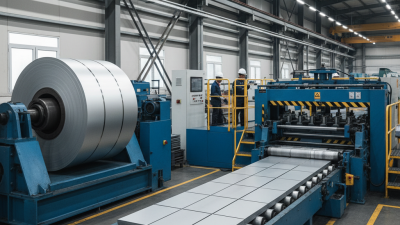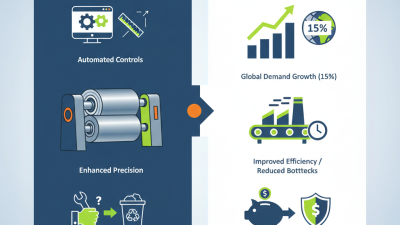

In 2026, the steel coil slitting machine price depends on far more than the machine’s advertised base cost. Buyers should compare line capacity, coil width, material thickness, slitting speed, automation, and finished-coil handling. A compact line for lighter gauges may suit a smaller processor, while heavy-gauge production can require stronger tooling, larger drives, and more substantial decoiling equipment. Those differences matter.
A useful quotation should clearly separate the slitter, decoiler, recoiler, tooling, controls, installation, and shipping. It should also specify what is excluded. Ask suppliers about blade life, setup time, spare-part availability, operator training, warranty coverage, and service response. A low initial quote can become expensive if essential equipment or commissioning is missing. The reverse is possible, too: a higher-priced line may not earn its cost if your production volume is modest.
An accurate guide should rely on verifiable supplier quotations and documented specifications. No source material or verified industry-expert quotation was provided for this request, so attributing a statement to a named specialist would risk inventing evidence. Before publication, add a real expert’s name and a quotation supported by a traceable interview or source. Meanwhile, this guide helps buyers assess the steel coil slitting machine price by comparing complete configurations, operating requirements, and long-term support—not just the headline number. Check the details. A careful comparison can reveal where the budget is genuinely going, though every buyer’s production needs are different.
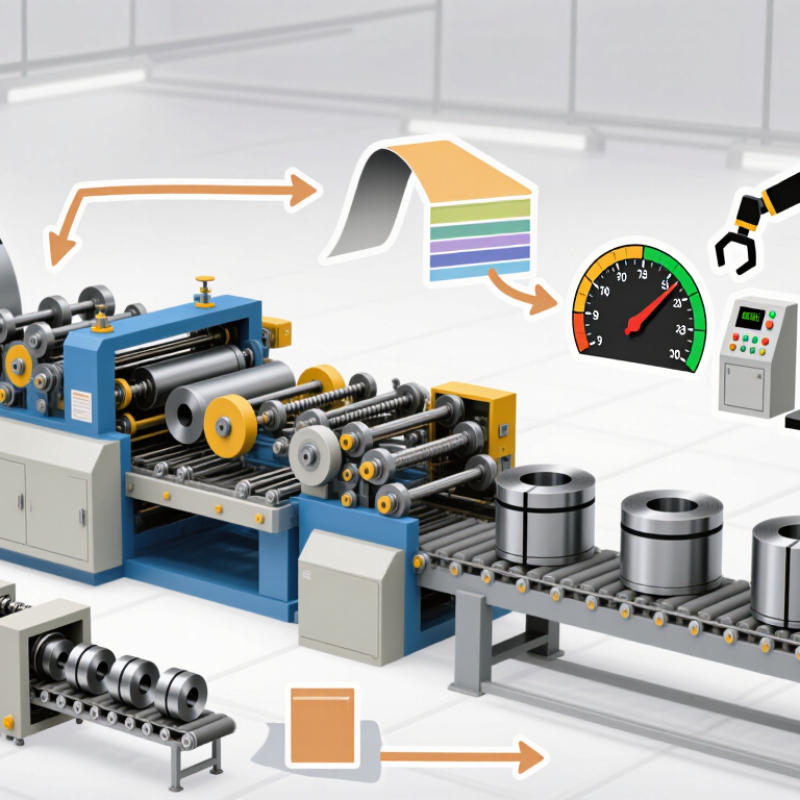
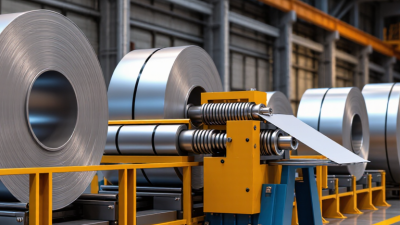
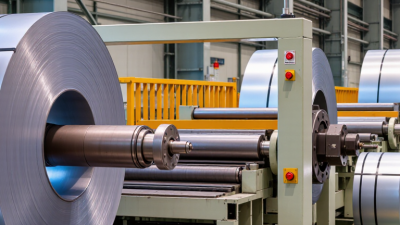
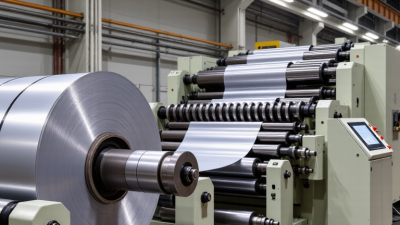
A steel coil slitting machine converts a wide master coil into narrower strips. It unwinds the coil, guides the sheet through paired rotary knives, then rewinds the slit material. The knives shear lengthwise, not across the sheet. The finished strips may feed tube mills, stamping lines, or other manufacturing equipment.
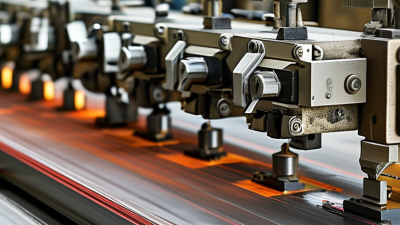
The machine is more than a set of blades. A typical line includes an uncoiler, pinch rolls, a slitter head, scrap handling, and a recoiler. Operators adjust knife spacing, clearance, and line tension to suit material thickness and strength. Poor setup can leave burrs, uneven strip widths, or loose, telescoped coils. Small errors matter.
The World Steel Association reported 1,892.2 million tonnes of global crude steel production in 2023, in World Steel in Figures 2024; its 2025 edition reported 1,882.6 million tonnes for 2024. These figures describe steel output, not slitting-machine demand, but they show the scale of material being processed.
For buyers, the practical question is whether the line handles the required width, gauge, coil weight, and production speed. A fast machine is not automatically a better fit. Sometimes operators discover that too late. Knife changes, loading access, and tension control deserve attention during evaluation, though they can be overlooked when price dominates the discussion.
A 2026 steel coil slitting machine price depends less on its label than on the work it must perform. A basic line for thin, narrow coils usually costs less than a heavy-duty line handling wide, thick stock. Buyers should compare maximum coil weight, strip width, thickness range, slitting speed, and knife-shaft capacity. These determine the strength of the uncoiler, leveling unit, drive system, and recoiler. Fit matters. Extra automation, automatic knife positioning, and scrap winders can raise the purchase price, but may reduce setup time and operator handling. Ask suppliers to quote the same material range and output target; otherwise, comparisons can be misleading.
Industry context helps, but it is not a machine-price benchmark. World Steel Association’s World Steel in Figures 2025 reports global crude steel production of 1,882.6 million tonnes in 2024, underscoring the scale and variety of coil-processing needs. The International Energy Agency’s Iron and Steel Technology Roadmap estimates the sector produced about 2.6 gigatonnes of CO₂ in 2019. For buyers, efficient motors and drives may therefore matter alongside the initial quote. A faster line can look attractive, yet it may not pay back if changeovers are frequent or actual production is low. Ask for measured line speed with your material, tolerances, and coil dimensions—not a best-case figure. And check what is excluded: tooling, installation, commissioning, and operator training can alter the real project cost.
For 2026, buyers can use these broad USD ranges as a starting point, not a firm quotation.
A basic, lower-speed slitting line may cost about $25,000–$60,000.
Semi-automatic systems commonly fall between $60,000 and $150,000, while high-capacity automatic lines can range from $150,000 to $500,000 or more.
The upper end usually reflects heavier coil capacity, faster operation, automatic controls, and tighter tension management. Prices vary by supplier and configuration.
Check what each quote actually includes.
A line rated for 10-ton coils may cost less than one designed for 25-ton coils, even if both list similar cutting speeds. Blade sets, scrap winders, coil cars, installation, freight, and commissioning can add substantially to the purchase price.
Ask for the maximum material thickness and width, plus a written breakdown of optional equipment.
Small details matter.
Do not buy on speed alone.
A faster line may sit idle if your loading process is slow or your product mix changes often. I would also leave room in the budget for setup and operator training; these costs are easy to underestimate.
The figures above are indicative, and regional taxes, shipping, and customization can shift the final price. Get comparable, itemized quotes before deciding.
A steel coil slitting machine’s quoted price rarely covers the full cost of putting it into production. Buyers should budget for ocean freight, cargo insurance, customs handling, unloading, and inland transport. A heavy machine may need a crane, a reinforced floor, and a clear route from the loading bay. Small details matter. UNCTAD reported that Suez Canal transits fell 42% from their peak by early 2024, disrupting shipping routes and schedules. This does not predict every delivery, but it shows why buyers should request current freight quotes and allow for possible delays.
Installation costs can include foundation work, electrical upgrades, alignment, commissioning, and operator training. Ask whether the supplier’s quote includes technicians’ travel, accommodation, and follow-up support. Power use also deserves a calculation: the U.S. Energy Information Administration reported an average industrial electricity price of 8.14 cents per kilowatt-hour in 2023. Actual tariffs vary, so estimate consumption using the machine’s load, planned operating hours, and local rate. Tooling is another recurring expense. Include spare blades, spacers, separator discs, and sharpening or replacement costs.
Maintenance and downtime are easy to underestimate. Check the recommended service intervals, lubricant requirements, spare-part lead times, and warranty exclusions before comparing offers. A low purchase price can become less attractive if critical parts take weeks to arrive. One weak point in many budgets is assuming the machine will run at rated speed from day one. Allow time and money for trial runs, material adjustments, and operator learning. EIA, Electric Power Monthly, 2023; UNCTAD, Navigating Troubled Waters, 2024.
| Cost Item | Indicative Budget (USD) | Typical Cost Basis | What Buyers Should Check |
|---|---|---|---|
| Indicative Machine Purchase Price | |||
| Entry-level or light-duty slitting line | $50,000–$150,000 | Basic configuration; lower line speed, narrower or thinner material range, and fewer automation features | Confirm maximum coil weight, material thickness and width, line speed, and included decoiler and recoiler capacity. |
| Standard production slitting line | $150,000–$500,000 | Mid-range configuration for routine industrial production, often with hydraulic handling and upgraded controls | Compare the supplied configuration, not just the headline price; verify tolerances and the specified materials. |
| High-capacity or high-precision line | $500,000–$1,500,000+ | Heavy-gauge, high-speed, high-capacity, or more automated configurations | Request a detailed scope covering automation, safety systems, tooling, commissioning, and performance requirements. |
| Additional Costs to Include in the Project Budget | |||
| Slitting knives, spacers, and tooling | $5,000–$50,000+ | Depends on the number of knife sets, material range, and required setup flexibility | Check how many usable sets are included, the knife material and dimensions, and the cost of replacement sets. |
| Freight and cargo handling | $10,000–$60,000+ | Varies by machine size, shipment route, container or break-bulk method, and handling requirements | Confirm the delivery term, port charges, inland transport, unloading responsibility, and whether the quote is insured. |
| Import duty and customs charges | Country- and classification-dependent | Based on the destination’s tariff rules, machine classification, and customs value | Ask a customs broker to verify the applicable tariff code, duty rate, fees, and documentation requirements. |
| Taxes such as VAT or sales tax | Country- and transaction-dependent | Depends on local tax rules and whether the buyer can recover input tax | Budget for cash-flow timing even when a tax may be recoverable; confirm treatment with a local tax adviser. |
| Foundation, site preparation, and installation utilities | $5,000–$50,000+ | Depends on floor capacity, pit or foundation needs, layout, and required electrical or air-service upgrades | Obtain foundation loads, layout drawings, power requirements, and utility specifications before construction. |
| Installation and commissioning | $10,000–$50,000+ | Depends on installation duration, crew size, travel, and the scope of on-site testing | Confirm whether labor, travel, accommodation, commissioning, and acceptance testing are included in the quotation. |
| Operator and maintenance training | $2,000–$15,000 | Depends on training length, number of attendees, location, and whether training is on-site | Specify the number of training days, language, training materials, and coverage of safety and routine maintenance. |
| Initial spare parts and consumables | $3,000–$25,000 | Depends on recommended stock levels and the availability of critical components locally | Request a recommended spare-parts list with part numbers, lead times, shelf life, and replacement pricing. |
| Insurance, storage, and delivery-delay contingency | Quote-specific; allow a project contingency | Depends on cargo value, storage duration, route, and schedule risk | Check the insurance coverage, storage charges, demurrage exposure, and who bears costs if delivery is delayed. |
| Future maintenance and replacement tooling | Usage- and configuration-dependent | Recurring costs for wear parts, servicing, and replacement knives | Compare service intervals, consumable life, local technical support, and expected parts lead times. |
Budgeting note: These are broad, indicative planning ranges in USD, not supplier quotations. Actual prices vary with coil width and weight, material thickness and grade, line speed, automation, specifications, delivery terms, destination, and project scope. Confirm all inclusions and exclusions in a written quotation.
A steel coil slitting machine quote is meaningful only when it matches your actual production needs. Give each supplier the same coil width, thickness range, material strength, maximum coil weight, and target output. A line rated for thin, narrow stock may struggle with thicker material, even if its quoted speed looks impressive. Ask how speed changes during threading and when handling heavier coils.
Compare the included equipment line by line: decoiler, straightener, slitter head, scrap winder, tension unit, recoiler, tooling, and controls. Check blade quantity and material, shaft dimensions, width-adjustment method, and the stated slit-width tolerance. Small differences add up. Clarify whether freight, installation, operator training, spare blades, and commissioning are included in the price. Request a sample layout and a written list of exclusions; vague “complete line” wording can hide real costs.
Before choosing, ask for references from plants processing similar material and confirm delivery time and service response. If possible, review a trial using your coil specifications, not a convenient sample. A faster line is not automatically the better buy. Buyers sometimes over-specify automation, then leave useful functions unused. I have seen that trade-off overlooked. Check floor space, power requirements, and maintenance access with your production team before approving the quote.