
Scroll Top
4801 Bennett Rd. Toledo, Ohio 43612

Who Are the Top Sheet Slitting Machine Suppliers in China?

China’s scale makes it a major place to investigate when sourcing a sheet slitting machine. The World Steel Association’s World Steel in Figures 2025 reports that China produced about 1.005 billion tonnes of crude steel in 2024, down 1.7% from 2023. This figure describes steel output, not slitting-machine sales. Still, it shows the scale of the material-processing industry that supports machinery makers, component suppliers, and service networks.

A slitting line turns wide metal coils into narrower strips, with performance shaped by factors such as material thickness, coil width, line speed, and required edge quality. Buyers comparing Chinese suppliers should look beyond brochures. Ask for verified operating references, machine specifications, control-system details, commissioning plans, spare-parts availability, and support response times. A sample strip tells a useful story. So does a clear answer about tolerances.

This guide examines leading sheet slitting machine suppliers in China through practical criteria, rather than unsupported rankings. Company experience and export history matter, but neither guarantees a good fit. A polished factory video is not proof of consistent performance. The uncomfortable part is that public information can be uneven, and supplier claims are not always easy to compare. Readers should confirm key details directly and request documentation for the exact machine configuration under consideration. That small step can prevent costly surprises later.
Who Are the Top Sheet Slitting Machine Suppliers in China?

What Is a Sheet Slitting Machine and How Does It Work?

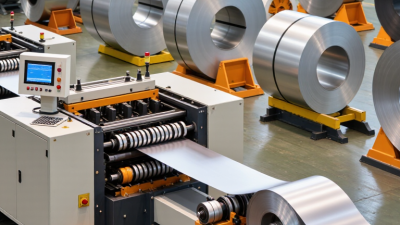
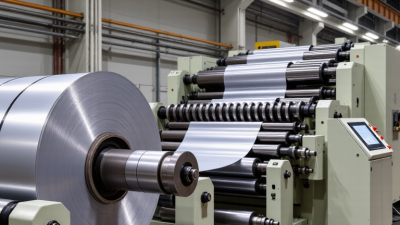
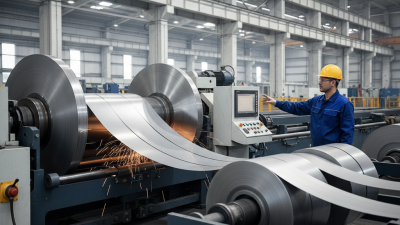
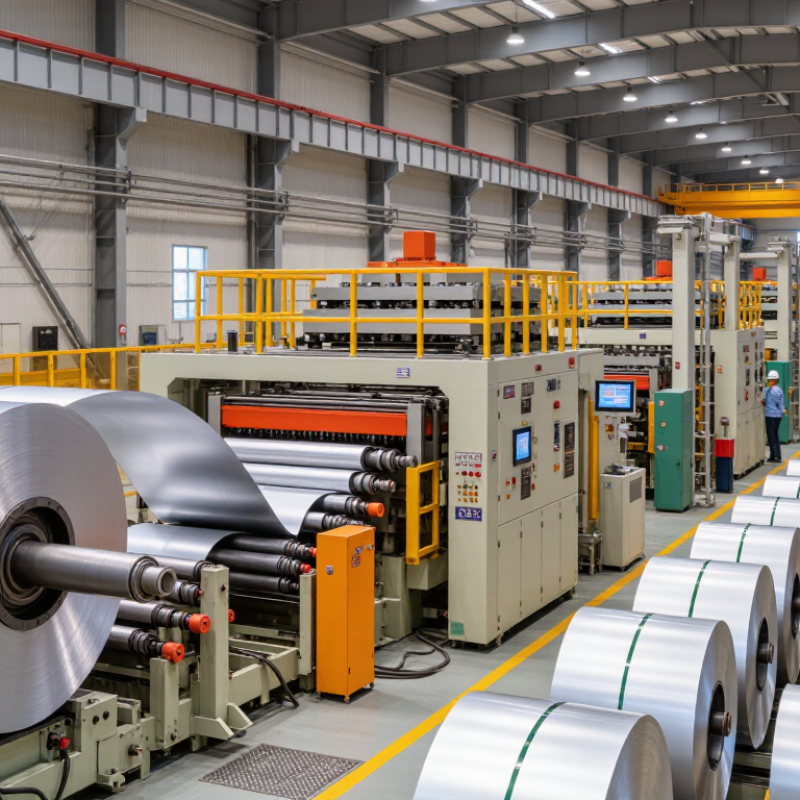
A sheet slitting machine turns wide metal stock into narrower strips by making continuous cuts along its length. In many workshops, the material arrives as a coil, so the equipment is often part of a coil slitting line. The coil is unwound and guided through the machine. A leveling unit can reduce coil set and help the strip feed steadily. Then, paired rotary knives cut the moving metal into selected widths. Sharp tooling matters. Poorly aligned blades may leave burrs, uneven edges, or unwanted scrap.

After cutting, a recoiler winds each strip for storage or the next production step. Operators set blade spacing to match the order and adjust tension to keep strips from wandering or wrinkling. Thickness, material strength, and line speed all affect the setup. A test run with a short section can reveal problems before a full coil is processed. It is easy to focus on cutting speed, but edge quality and consistent width often matter more to the customer. Even experienced teams may need a few adjustments when material properties vary between coils. That part is less tidy than a machine brochure suggests.

How China’s Sheet Slitting Machine Supplier Market Is Structured

China’s sheet slitting machine supplier market is not one uniform field. It includes equipment manufacturers, engineering integrators, and trading companies. Some manufacturers build frames and tooling in-house. Others assemble lines from parts sourced through several vendors. In practice, the boundaries can blur. A workshop may design the machine but purchase its electrical controls elsewhere. That can reduce costs, yet make responsibility less clear. It happens.

Suppliers also differ in the materials and production volumes they serve. A compact line for thin sheet needs different tension control from a high-volume line handling heavier coils. Compare working width, thickness range, line speed, and coil-handling capacity—not just the headline specifications. Ask how the machine performs with your actual material. Burrs, edge quality, and strip-width consistency are visible on a test run. Details matter.

The supplier relationship may extend beyond delivery. Installation, operator training, spare parts, and response times shape the machine’s real value. Ask who builds the key assemblies and who handles service after commissioning. Request written details on warranty coverage and replacement-part availability. A supplier with export experience may understand packing and remote support, but that alone does not prove strong engineering. The market’s categories are not always neat, so buyers should verify each supplier’s role and capabilities directly.

Who Are the Top Sheet Slitting Machine Suppliers in China?

How China’s Sheet Slitting Machine Supplier Market Is Structured

China’s supplier landscape includes integrated line builders as well as specialists in tooling, automation, and service. Publicly comparable market-share data is limited, so this chart shows the typical order of core stations in a slitting line—not supplier rankings or market shares. Line configurations vary by material and application.

Leading Sheet Slitting Machine Suppliers in China

Leading Sheet Slitting Machine Suppliers in China are often judged by more than machine price. A capable supplier should explain how its equipment handles your material width, thickness, coil weight, and target line speed. Ask for clear details on blade adjustment, tension control, edge guiding, and scrap winding. These features affect cut quality and changeover time. Small details matter.

A useful supplier review includes technical documents, sample-cut results, and a conversation with the engineering team. Request a test using material close to your own stock. Inspect the edges for burrs, check whether strip widths stay consistent, and note how long setup takes. A polished demonstration can hide practical limits, so ask what happens when material varies or operators change shifts. Get the answer in writing.

After-sales support deserves equal attention. Confirm which spare parts are kept locally, how remote troubleshooting works, and whether installation training is included. Compare warranty terms carefully; similar wording may cover different components. Some buyers focus too heavily on maximum speed. In production, stable tension and predictable adjustments may matter more. No supplier fits every factory, and a neat specification sheet is not proof of reliable output. I would still verify service response times before placing an order.

How Suppliers Differ in Technology, Capacity, and Service

China’s sheet slitting machine suppliers differ most in how they balance precision, output, and support. A machine designed for thin stainless steel may not handle thick coils equally well. Compare the stated thickness range, strip width, line speed, and tension-control method against your actual materials. Ask for sample-cutting results, not just a maximum-speed figure. Clean edges matter. So does stable rewinding.

Production capacity is more than the number of machines a supplier can build. Check component sourcing, assembly lead times, inspection records, and whether key settings can be adjusted for different coil properties. Service also deserves close attention. Clarify installation support, operator training, spare-part availability, and typical response times. A detailed brochure helps, but it cannot prove consistent performance. I would still want to see a test run using material close to my own. That takes time, and buyers sometimes skip it.

Tips: Bring coil specifications and target tolerances to supplier discussions. Request a written scope for testing, commissioning, and after-sales support. Compare like with like; a lower quote may exclude useful tooling or training. A small gap in service terms can become a real production headache.

Who Are the Top Sheet Slitting Machine Suppliers in China? — How Suppliers Differ in Technology, Capacity, and Service

Supplier Profile Typical Technology Focus Capacity and Configuration Service Considerations Best-Fit Applications What to Verify
Standard-purpose line builder Conventional coil feeding, slitting, tension control, and recoiling systems. Automation options depend on the specific model. Often offers configurable line layouts for different material widths, thicknesses, and coil weights. Actual limits are model-specific. Compare commissioning arrangements, spare-parts availability, documentation, and response times for overseas support. Processors seeking a practical line for established materials and repeat production requirements. Request the machine’s rated material range, line-speed conditions, cutting tolerances, and references for comparable installations.
Automation-focused manufacturer May emphasize automated coil handling, recipe management, operator interfaces, and integration with upstream or downstream equipment. Throughput depends on the complete line configuration, material properties, coil handling, and changeover requirements—not just the stated maximum speed. Check operator training, software support, electrical standards, remote diagnostics, and the scope of installation assistance. Facilities aiming to reduce manual handling or improve repeatability across frequent production runs. Ask for a line-cycle demonstration and confirm that quoted performance applies to the intended material and finished-strip specifications.
Heavy-gauge or high-capacity specialist May design equipment around higher-strength or thicker materials, larger coils, and the associated slitting and tension-control demands. Capacity is highly dependent on material grade, thickness, width, coil weight, and tooling. No single rating applies across all materials. Assess engineering support for foundation, handling equipment, safety systems, and commissioning at the destination site. Metal service centers and manufacturers processing demanding coil specifications or heavier-duty production schedules. Verify capacity using the exact material grade and dimensions; request documented test results and a tooling specification.
Custom-engineering supplier Can tailor layouts, tooling, automation, and auxiliary equipment to a customer’s process or factory constraints. Configuration is project-specific. Custom features can affect engineering time, cost, commissioning, and future maintenance. Review design-change control, project milestones, acceptance testing, warranty terms, and long-term access to drawings and parts. Buyers with unusual materials, nonstandard layouts, or specialized integration requirements. Confirm the final technical specification, exclusions, acceptance criteria, and responsibility for integrating third-party equipment.
Export-oriented manufacturer Technology varies by model; some suppliers offer configurable controls and electrical components for overseas projects. Available line options and rated performance should be assessed against the buyer’s material and production plan. Evaluate language support, export packaging, installation coverage, parts logistics, and compliance documentation for the destination market. International buyers prioritizing clear project communication and defined delivery and support arrangements. Check applicable safety and electrical requirements, the complete delivery scope, service response commitments, and customer references.
Note: These are general supplier profiles, not a verified ranking or a comparison of named companies. Slitting-machine capabilities vary by model and configuration. Confirm technical ratings, service commitments, and compliance documentation directly with each supplier before purchasing.

What to Check Before Choosing a Chinese Sheet Slitting Machine Supplier

Before choosing a Chinese sheet slitting machine supplier, define the material and finished-strip requirements. Specify coil width, thickness range, weight, inner and outer diameters, and material grade. Also state the narrowest slit width and acceptable edge quality. Small differences matter. A line that handles thin aluminum well may behave differently with thicker steel. Ask the supplier to confirm capacity against your actual production range, not just a headline maximum.

Check how the machine controls tension from decoiler to recoiler. Ask about blade setup, scrap winding, changeover time, and how operators adjust slit width. Request a test using your material, then inspect sample edges for burrs and measure strip widths. A polished brochure cannot show those results. I would not treat quoted line speed alone as proof of suitability; stable running and consistent output matter more.

Review the technical drawings, electrical specifications, installation scope, and spare-parts list before comparing quotations. Clarify what the price includes, such as commissioning, operator training, and remote support. Ask for references from buyers processing similar material, and agree on measurable acceptance criteria before production. Some details may feel tedious. They can prevent costly misunderstandings later. Check response times for service questions, too, and consider whether essential wear parts are readily available.