
Scroll Top
4801 Bennett Rd. Toledo, Ohio 43612

What Is the Best China Automatic Cut to Length Machine?

Choosing the best China automatic cut to length machine starts with your material, not the brochure. Steel service centers demand stable length accuracy, clean edges, and reliable coil handling. The World Steel Association reported 1,892.0 million tonnes of global crude steel production in 2023. China produced 1,019.1 million tonnes, representing about 54% of the total. This scale supports a broad domestic machinery supply chain. It also creates confusing choices for international buyers.

Real performance appears beside the line, not inside a sales claim. Watch how the decoiler holds tension, how the straightener removes coil memory, and how the shear behaves during repeated cuts. The International Federation of Robotics reported 276,288 industrial robots installed in China during 2023. Automation is expanding quickly. However, that statistic does not prove every automatic cut to length machine offers dependable production. Integration quality still matters.

A practical comparison should examine cutting tolerance, line speed, servo control, electrical components, safety systems, and after-sales support. Ask for test-cut videos and measured samples from your own coil specification. Confirm whether the supplier records actual tolerance data. A polished sample may hide difficult materials. That deserves scrutiny. This guide compares Chinese machine builders through engineering evidence, operating experience, and published industry data. It also considers service response, spare-part access, operator training, and total ownership cost. The “best” machine may not be the fastest model. It may be the one that maintains repeatable cuts after a long shift, with fewer adjustments and clearer technical support.
What Is the Best China Automatic Cut to Length Machine?

What Is a China Automatic Cut to Length Machine?

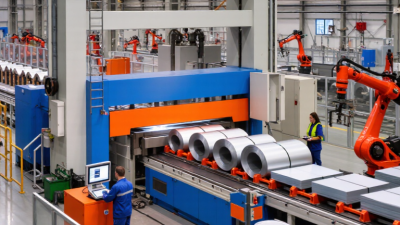
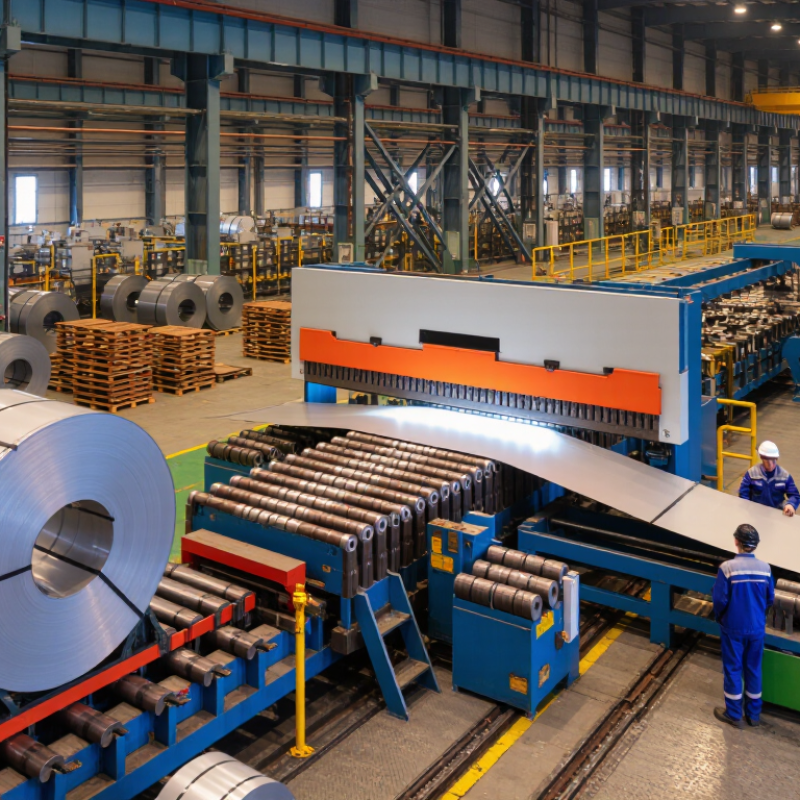
A China automatic cut to length machine is industrial equipment that feeds, measures, and cuts continuous metal strip into set lengths. It commonly processes steel, aluminum, and coated sheet for panels, ducts, doors, and fabrication lines. The machine usually combines an uncoiler, leveler, servo feeding system, shear, and stacking unit. During operation, an encoder tracks material movement while a controller adjusts each cutting cycle. This coordination reduces manual measuring and improves consistency between repeated blanks.

Operators load a coil, enter the target length, and set the production quantity through the control interface. The line then straightens the strip, advances it, cuts it, and places each blank on a stacking table. Cutting accuracy depends on material thickness, line speed, blade condition, and calibration. A trained technician should check the first pieces with a calibrated measuring tool. Small errors matter. A misaligned sensor can create many rejected sheets before anyone notices.

When evaluating a China automatic cut to length machine, buyers should inspect frame rigidity, servo response, safety guarding, and spare-part access. They should request accuracy data under realistic material conditions, not only ideal test results. Remote support can help, but clear manuals and practical training remain important for maintenance. Energy use, floor space, coil weight, and expected output must match the workshop. The cheapest configuration may not be the most reliable choice. Even experienced teams should review the line after installation, because daily production often reveals overlooked adjustments.

How Does an Automatic Cut to Length Machine Work?

What Is the Best China Automatic Cut to Length Machine?

An automatic cut to length machine converts coiled metal into accurately measured sheets. The process begins when a decoiler releases the coil at a controlled speed. Guide rollers then straighten the strip and reduce unwanted curvature. A servo-driven feeder moves the material toward the cutting station. Sensors monitor position, speed, and possible feeding errors.

The control system compares the measured length with the programmed value. When the target length is reached, a hydraulic or mechanical shear cuts the sheet. The cut panel moves onto a conveyor or stacking table.

Operators can adjust length, quantity, speed, and sheet thickness through a touchscreen interface. Good machines also use automatic tension control and overload protection.

These features reduce scratching, slipping, and inconsistent cuts during long production runs.

When evaluating a machine made in China, inspect its measuring accuracy, frame rigidity, electrical components, and service documentation.

Ask for test-cut records using your actual material. Cold-rolled steel, stainless steel, and aluminum may require different settings. A machine can appear fast but still create waste if the straightener is poorly adjusted.

That is easy to overlook. Regular blade checks and roller cleaning remain necessary, even with automation.

In real workshops, material variation sometimes causes small length errors. Calibration should be verified with a steel rule or digital measuring tool before full production.

Which Features Define the Best Machine for Your Production?

Choosing the best China automatic cut to length machine depends on production details, not appearance. A reliable machine should match your material, thickness, width, and daily workload. In real production trials, servo feeding often provides steadier length control than basic mechanical systems. An encoder should monitor every feed movement and reduce cumulative errors. Cutting accuracy matters most when parts must fit later assembly stages. Small errors become expensive.

Look for a rigid frame, responsive straightening rollers, and a clean control interface. The machine should handle coil tension changes without frequent manual correction. Automatic speed adjustment can improve output when material conditions vary. Safety guards, emergency stops, and overload protection are essential features, not optional extras. Ask for sample cutting tests using your actual material. Request measured results, not only catalog tolerances. A machine that reaches high speed may still create burrs, scratches, or unstable lengths. That trade-off needs careful review.

Maintenance access also defines the best machine. Operators should reach blades, rollers, sensors, and lubrication points without wasting hours. Clear alarms and practical spare-part support improve long-term reliability. Integration with a decoiler, stacking unit, or existing line should be checked before purchase. No machine is perfect. I would still allow adjustment time during installation, because factory conditions rarely match test conditions exactly. The best choice combines repeatable performance, safe operation, and serviceable design.

How to Compare Chinese Cut to Length Machine Manufacturers?

What Is the Best China Automatic Cut to Length Machine?

Comparing Chinese cut to length machine manufacturers requires more than checking price. Start with your material range, including coil width, thickness, yield strength, and target sheet length. A reliable manufacturer should explain how the leveler, servo feeder, and flying shear handle those conditions. Ask for test-cut videos using material close to yours. Real samples reveal burrs, camber, feeding marks, and length errors better than brochures.

Inspect the engineering details. Check the leveler roll arrangement, drive system, tension control, blade adjustment, and electrical components. The control interface should show alarms clearly and allow practical parameter changes. Safety guarding, emergency stops, documentation, and applicable conformity records also deserve attention. Do not accept vague claims about speed. Request measured output at your actual thickness and length.

After-sales support often separates a usable machine from an expensive problem. Ask who installs the line, how training is delivered, and how quickly spare parts can be supplied. Speak with operating customers if possible. Their maintenance records may reveal weaknesses that a factory tour hides. I once focused too heavily on maximum speed and overlooked changeover time; that mistake reduced daily output. A better comparison includes setup minutes, power use, inspection data, and five-year service costs. Cheap can be sensible, but only when the evidence is complete.

What Should Buyers Check Before Purchasing a Machine?

Before purchasing an automatic cut-to-length machine, buyers should verify the material range, thickness, coil width, and required cutting tolerance. Ask for a witnessed test using your actual steel, aluminum, or other approved material. A catalog sample can look perfect. Production material may behave differently.

Check the complete line, not only the cutting unit. Confirm decoiler capacity, straightener rolls, servo feeding, blade life, line speed, and stacking accuracy. Request recorded data for repeatability, scrap rate, and changeover time. Deloitte’s 2024 Global Manufacturing Industry Outlook reports that 86% of manufacturing leaders expect smart manufacturing to strengthen competitiveness within three years. That supports automation, but software alone cannot fix poor alignment. Measure the floor space, power demand, compressed-air needs, and operator access before signing.

Safety and service deserve equal attention. ISO 12100 provides a recognized framework for machinery risk assessment, while ISO 13849-1 helps evaluate safety-related control systems. Check guards, emergency stops, interlocks, noise levels, and maintenance access. Ask how quickly spare parts arrive and whether technicians can support your region. The International Federation of Robotics reported 541,302 industrial robots installed worldwide in 2023, showing continued automation growth. Yet a cut-to-length line is not automatically efficient. I would question any supplier promising zero scrap or perfect uptime. Real factories face coil variation, dust, training gaps, and occasional mistakes.