
Scroll Top
4801 Bennett Rd. Toledo, Ohio 43612

China Top Cut to Length Machine Manufacturers How to Choose?

Choosing among China’s top cut to length machine manufacturers requires more than comparing prices or polished factory videos. The World Steel Association reported 1.882 billion tonnes of crude steel production worldwide in 2024. China produced about 1.005 billion tonnes. This scale supports a deep manufacturing ecosystem, but it also creates major differences in engineering quality, testing, and after-sales service.

A reliable cut to length machine should match the material, thickness range, coil weight, line speed, and required flatness. Check the decoiler, leveller, servo feeder, shear, stacking system, and control platform separately. Real performance appears in tolerance records, not brochures. Ask for sample trials using your actual coil grade. Request measured cut-length accuracy, flatness results, changeover time, and continuous operating data. The 2024 World Steel Association Short Range Outlook also showed ongoing uncertainty in global steel demand. Flexible equipment may therefore protect future production plans better than maximum speed alone.

Manufacturer selection should include factory audits, customer references, electrical documentation, spare-parts planning, and technician response times. ISO 9001 certification can support process control, but it cannot replace independent verification. Consult reports from the International Federation of Robotics when automation is involved, especially for robot stacking and handling integration. No shortlist is perfect. A supplier may excel at heavy plate lines but struggle with thin, high-strength steel. Careful buyers compare evidence, not promises. This guide examines how to evaluate Chinese manufacturers through practical specifications, documented experience, total ownership cost, and realistic production risks.
China Top Cut to Length Machine Manufacturers How to Choose?

What Is a Cut to Length Machine and How Does It Work?

What Is a Cut to Length Machine and How Does It Work?

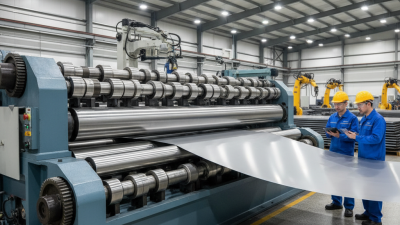
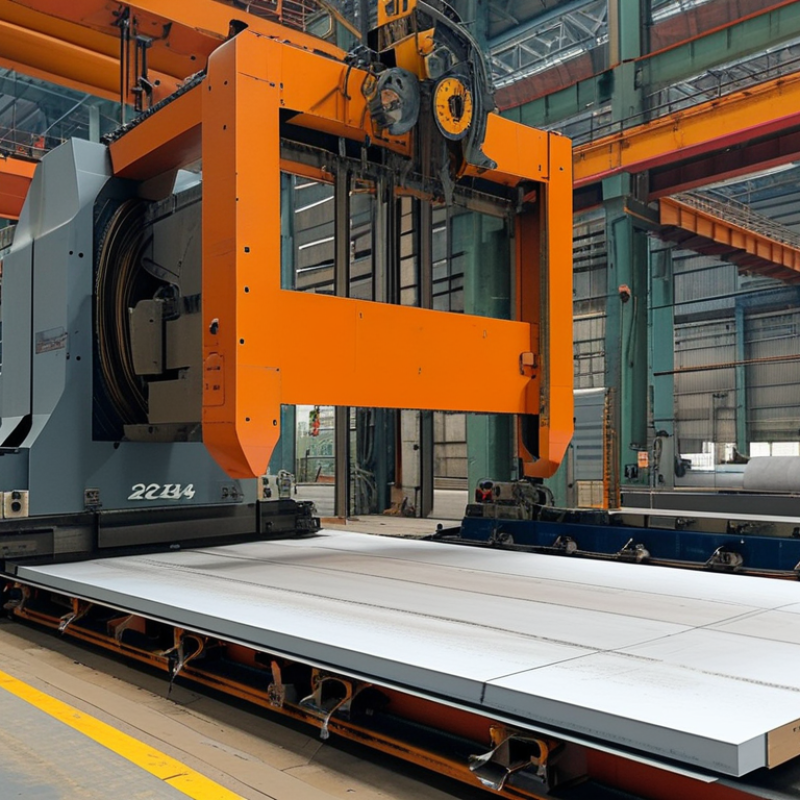
A cut-to-length machine converts coiled metal into flat sheets with controlled length and shape. The process begins when a decoiler unwinds the coil. Rollers then guide the strip through a straightener, which removes coil memory, edge waves, and mild crossbow. A servo feeding system measures each section before a flying shear cuts it. Finally, a stacking unit collects the sheets in aligned piles.

The principle sounds simple. It is not always simple in production. According to World Steel Association’s World Steel in Figures 2024, global crude steel output reached about 1.892 billion tonnes in 2023. This enormous volume increases the need for reliable sheet processing, yet output alone cannot determine machine quality. Operators must match the line with material thickness, coil weight, width, tensile strength, and required length tolerance. A machine designed for thin galvanized steel may perform poorly with heavy carbon steel. That mistake is costly.

Practical selection should include trial cutting and measured inspection. Check length accuracy, diagonal difference, burr height, stacking stability, and speed under real load. Review electrical documentation, safety functions, spare-part access, and service response. ISO 9001 certification can indicate controlled processes, but it does not replace factory testing. I would also question impressive speed claims. Maximum speed may only apply to narrow, light material. A slower line with stable feeding can produce better saleable sheets. Perfect specifications on paper are not enough.

Which Cut to Length Machine Specifications Match Your Production Needs?

China Top Cut to Length Machine Manufacturers: How to Choose?

Which cut to length machine specifications match your production needs? Start with your actual coil records, not a supplier’s maximum rating. The World Steel Association’s World Steel in Figures 2024 reports nearly 1.89 billion tonnes of crude steel production in 2023. That scale hides major differences in thickness, grade, width, and order size. A machine for 0.3–3 millimeter sheets cannot safely replace one designed for 6–16 millimeters. Define your minimum and maximum thickness, coil width, coil weight, yield strength, and required sheet length.

Production speed needs careful calculation. A line rated at 80 meters per minute may run slower after acceleration, leveling, cutting, and stacking. The OECD’s Steel Market Developments reports continuing regional changes in steel demand and capacity, so flexible specifications can protect future orders. In practice, check decoiler capacity, leveling roll diameter, servo shear accuracy, and stacker height. For short batches, fast setup may matter more than peak speed. For repetitive orders, automation can reduce handling labor and misfeeds.

I have seen buyers choose excessive capacity. It increases cost, power use, and floor-space pressure. Not always better. Ask for tolerance results on your real material, especially high-strength steel or coated surfaces. Request trial cutting and measured samples. A ±0.5 millimeter claim may change with temperature, coil memory, and operator settings. I would also recheck the scrap rate; this small detail is often underestimated.

China Top Cut to Length Machine Manufacturers How to Choose? - Which Cut to Length Machine Specifications Match Your Production Needs?

Typical cut-to-length machine configurations matched to material characteristics, production volume, and finished-sheet requirements.

Production Requirement Suitable Machine Configuration Typical Material Width Typical Material Thickness Typical Line Speed Typical Coil Weight Cutting Accuracy Recommended Applications Key Selection Considerations
Light-Gauge Precision Line Entry coil car, hydraulic uncoiler, multi-roll leveler, servo measuring system, flying or guillotine shear, and automatic stacker 300–1,250 mm 0.3–1.5 mm 30–80 m/min 3–10 tonnes Typically ±0.5 mm in length, subject to material and line setup Electrical enclosures, HVAC panels, lighting components, appliance parts, and general fabrication Prioritize tension control, leveler roll adjustment, surface protection, and stable servo feeding
Medium-Gauge General-Purpose Line Hydraulic uncoiler, six- or nine-roll leveler, pinch and straightening rolls, precision shear, and pneumatic or magnetic stacker 600–1,600 mm 0.8–3.0 mm 20–60 m/min 5–20 tonnes Typically ±0.5–1.0 mm in length Construction components, machinery parts, shelving, automotive suppliers, and steel service centers Match the leveler capacity to the yield strength and thickness range; verify maximum strip width and shear cycle rate
Heavy-Gauge Plate Line Heavy-duty coil car, expanding hydraulic uncoiler, high-capacity leveler, drag or guillotine shear, transfer table, and heavy-duty stacker 800–2,000 mm 3.0–12.0 mm 10–35 m/min 10–35 tonnes Typically ±1.0–2.0 mm in length Structural steel, shipbuilding components, agricultural machinery, bridges, and heavy equipment Check maximum yield strength, roll diameter, motor torque, shear force, coil handling capacity, and foundation requirements
High-Strength Steel Line High-torque uncoiler, reinforced multi-roll leveler, closed-loop tension control, servo feed, and high-force precision shear 600–1,800 mm 1.0–6.0 mm 15–45 m/min 8–30 tonnes Typically ±1.0 mm in length Automotive structural parts, energy equipment, transport components, and high-strength fabricated products Use yield strength and tensile strength—not thickness alone—to size the leveler, drive system, and shear
Stainless Steel and Surface-Sensitive Line Protective-film-compatible decoiler, precision leveler, non-marking rolls, servo measurement, flying shear, and soft-contact stacker 500–1,600 mm 0.4–3.0 mm 20–60 m/min 5–25 tonnes Typically ±0.5–1.0 mm in length Kitchen equipment, decorative panels, medical equipment, elevators, and architectural products Specify roll surface finish, protective film handling, edge protection, cleanliness, and scratch-prevention measures
Aluminum and Non-Ferrous Line Low-tension uncoiler, precision leveler, non-marking contact rolls, servo feed, and controlled stacking system 500–1,800 mm 0.3–4.0 mm 20–70 m/min 5–25 tonnes Typically ±0.5–1.0 mm in length Automotive panels, heat exchangers, roofing, packaging components, and electronic housings Control strip tension carefully and confirm roll materials, surface hardness, acceleration profile, and anti-scratch design
High-Volume Automatic Line Automatic coil car, double-head or quick-change uncoiler, powered leveler, servo flying shear, automatic sheet counting, and pallet stacker 800–2,000 mm 0.5–6.0 mm 40–100 m/min 10–35 tonnes Typically ±0.5–1.0 mm in length Continuous service-center production, appliance manufacturing, automotive supply, and large-volume sheet processing
Short-Length and Small-Batch Line Compact uncoiler, precision leveler, servo measuring unit, guillotine shear, and manual or semi-automatic stacking 300–1,500 mm 0.4–4.0 mm 10–40 m/min 3–15 tonnes Typically ±0.5 mm in length Custom fabrication, replacement parts, prototypes, maintenance work, and mixed-size orders Focus on fast recipe changes, simple operator access, compact layout, and reliable length positioning
Long-Length Sheet Line Extended measuring table, high-accuracy servo feed, reinforced shear, long transfer conveyor, and expanded stacking area 600–2,000 mm 1.0–8.0 mm 10–35 m/min 8–30 tonnes Typically ±1.0–2.0 mm in length Structural beams, trailer components, industrial machinery, and large fabricated assemblies Allow sufficient floor space for sheet travel, stacking, forklift access, and safe handling of long sheets
Integrated Slitting and Cut-to-Length Line Entry section, slitter, recoiler, loop control, cut-to-length section, automatic stacking, and scrap handling 800–2,000 mm 0.5–4.0 mm 20–80 m/min 10–30 tonnes Typically ±0.5–1.0 mm in length Service centers requiring both slit coils and cut sheets from the same master coil Confirm coil width utilization, knife setup time, finished-width tolerances, scrap recovery, and product changeover needs
Specification note: The ranges above are typical industrial reference values rather than universal limits. Final machine selection should be based on actual material grade, yield strength, tensile strength, width tolerance, thickness tolerance, coil dimensions, target sheet length, required output, surface-finish requirements, available floor space, and local electrical standards. A material sample and production trial are recommended before placing an equipment order.

How to Evaluate China’s Top Cut to Length Machine Manufacturers

When evaluating China’s top cut to length machine manufacturers, start with evidence rather than rankings. A serious supplier should explain line speed, thickness range, coil weight, leveling accuracy, and cutting tolerance. Ask for drawings, electrical specifications, and a complete component list. Demand evidence. Vague promises can create expensive surprises. Request videos showing similar machines processing real steel, not only polished factory footage. If possible, inspect a finished line or speak with an existing user. Their feedback may reveal spare-part delays, installation quality, and support problems.

Experience matters during technical discussions. Engineers should calculate decoiler capacity, motor load, sheet flatness, and floor requirements from your production data. They should discuss material grades, burr control, blade life, and changeover time. A reliable manufacturer provides factory acceptance tests with measurable targets. Check how results are recorded and who signs them. Review welding quality, guarding, sensors, and emergency-stop circuits. Documentation should include manuals, wiring diagrams, maintenance schedules, and training plans. Small omissions can stop a line.

Price deserves careful comparison, but the lowest quotation may exclude commissioning, packaging, software updates, or replacement blades. Compare full operating costs over several years. Ask how quickly technical support responds across time zones. A technically strong proposal can still fail through careless communication. That risk is easy to underestimate. Also check export experience, warranty terms, payment protection, and future modification capability. No evaluation is perfect. Leave room for a factory audit and independent inspection before shipment.

How to Evaluate China’s Top Cut-to-Length Machine Manufacturers

A practical procurement framework for comparing manufacturers without relying on company names or brand claims. The weighting reflects the factors that most directly affect machine performance, operating cost, and long-term reliability.

Buyers should verify each criterion through technical drawings, sample-cutting tests, production references, warranty terms, spare-parts availability, and applicable certifications. The percentages represent evaluation priorities rather than the performance of any specific manufacturer.

What Quality, Service, and Certification Factors Should You Check?

China Top Cut to Length Machine Manufacturers: How to Choose?

When comparing manufacturers, inspect the machine beyond polished photographs. A reliable supplier should explain leveling accuracy, cutting tolerance, line speed, and material thickness clearly. Ask for test-cut videos using steel grades similar to yours. Better still, visit the factory or request a live demonstration. Check welds, roller surfaces, electrical cabinets, and emergency controls. Small details reveal production discipline.

Certification matters, but certificates alone do not guarantee performance. Verify the issuing body, certificate number, scope, and expiration date. Request factory quality records, inspection reports, and calibration evidence for measuring tools. Service quality deserves equal attention. Ask about installation support, spare-parts availability, response times, operator training, and remote troubleshooting. A detailed warranty is useful; vague promises are not. Some suppliers describe “high precision” without defining the measurement method. That gap should make you pause.

Tips: Prepare a written checklist before contacting manufacturers. Include coil width, thickness, yield strength, target tolerance, working hours, and local electrical standards. Compare identical requirements across quotations. Ask for references from similar installations, and speak with those users directly. One overlooked question is software language and update responsibility. It can become expensive later. Good manufacturers welcome technical questions, admit limitations, and document every agreed specification.

How to Compare Quotes and Choose the Right Manufacturer?

When comparing cut-to-length machine quotes, start with identical technical assumptions. Specify coil width, thickness, maximum coil weight, material grade, leveling accuracy, cutting tolerance, and required sheets per minute. A cheap quote may exclude the decoiler, stacking system, spare blades, installation, or operator training. Ask each manufacturer for a line layout and a written scope.

Production scale matters. The World Steel Association reported 1.89 billion tonnes of crude steel production in 2023. This volume makes uptime and material yield commercially important. Compare guaranteed output, not only advertised speed. Request sample cutting results using your actual steel. Check flatness, burrs, sheet squareness, and scrap percentage. One overlooked tolerance can cost more than the machine price.

Energy and service deserve equal attention. The International Energy Agency’s Energy Efficiency 2023 report states that industry uses about 37% of global final energy. Ask for motor ratings, standby consumption, and estimated energy per tonne. Review warranty length, remote support response time, electrical standards, and local spare-part availability. A reliable supplier should explain failure risks clearly. That builds trust.

Be careful with perfect promises. Real factories have unstable coils, dust, voltage changes, and rushed operators. A quote that admits limitations may be more dependable. I would score each offer by total ownership cost, verified performance, delivery risk, and service evidence. Price still matters, but it should not lead the table.