
Choosing the right automatic length cutting machine is critical in various industries, including manufacturing and textiles. As production demands increase, so does the need for precise and efficient machinery. According to a recent report by Industry Research Group, the global market for automatic cutting machines is expected to grow by over 6% annually in the next five years. This growth highlights the importance of selecting the best equipment for specific needs.
Expert Robert Fenwick, an industry leader in cutting technology, states, "Investing in an automatic length cutting machine can significantly streamline operations and reduce waste." His insight underscores the necessity of evaluating key factors like efficiency, speed, and reliability when purchasing.
Yet, making the right choice can be challenging. Many buyers overlook essential aspects such as machine compatibility and maintenance costs. A hasty decision could lead to operational inefficiencies or increased downtime. Thus, a thorough assessment of available options is crucial for long-term success in any production environment.
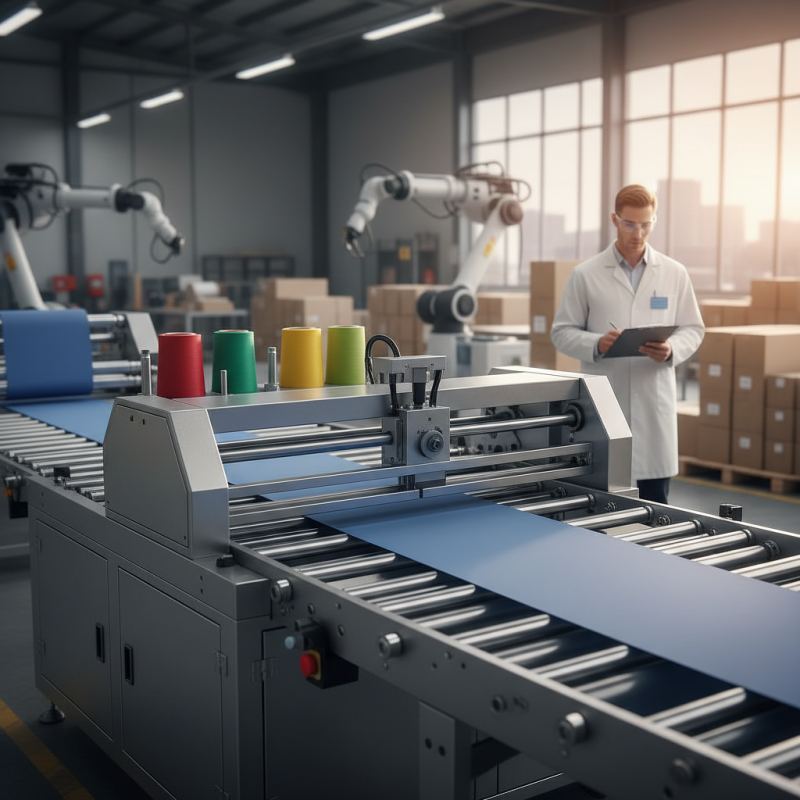
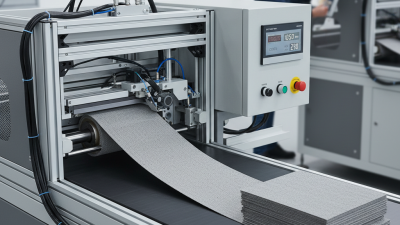
Automatic length cutting machines are essential in various manufacturing processes. Understanding how these machines work is crucial for maximizing efficiency. These machines provide accuracy in cutting materials to specified lengths.
According to a report by Market Research Future, the automatic cutting machine market is expected to grow at a CAGR of 6% from 2022 to 2030. This indicates a robust demand for these technologies.
When choosing a machine, consider the material types. Different machines are suited for various materials, from wood to metal. Assessing the machine's precision is vital. A tolerance of 0.5 mm is generally acceptable for industrial applications. Keep in mind the speed of operation as well. Some machines can cut material at speeds exceeding 200 meters per minute, significantly reducing production times.
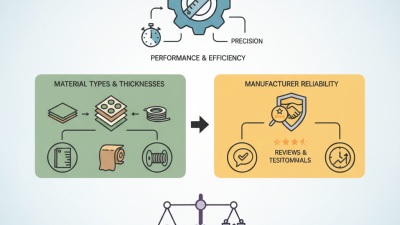
Tips: Look for machines with user-friendly interfaces. Operators should quickly learn to use the equipment. Regular maintenance is also crucial. Neglecting machine care can lead to inconsistent cuts and downtime. Don't overlook the importance of after-sales support, often a reflection of a manufacturer’s reliability.
When selecting an automatic length cutting machine, pay attention to several key features. Precision is crucial. A reliable machine should provide consistent cuts with minimal variance. Look for models that employ advanced sensors and automatic calibration processes. These technologies help maintain accuracy throughout operation.
Speed also matters. Depending on your production needs, a faster cutting machine may be ideal. However, be wary; higher speed can sometimes compromise cut quality. It’s beneficial to strike a balance between speed and precision for optimal performance. Testing the machine's throughput before purchase can offer valuable insights.
Ease of use is another essential factor. A user-friendly interface can reduce training time and operational errors. Machines with intuitive controls are quicker to master. Additionally, consider the maintenance requirements. Regular upkeep ensures longevity and performance. If a machine is prone to frequent breakdowns or complex repairs, it can lead to frustration and downtime. Reflect on these factors when making your decision.
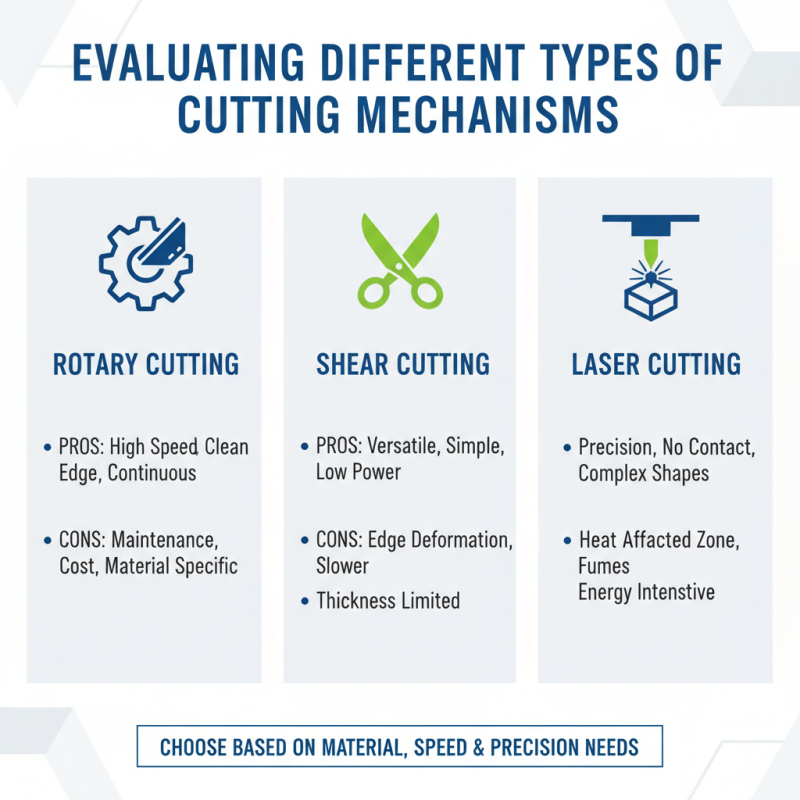
When choosing the best automatic length cutting machine, the cutting mechanism plays a crucial role. There are various mechanisms, each with its unique advantages and drawbacks. Understanding these can enhance your decision-making process significantly.
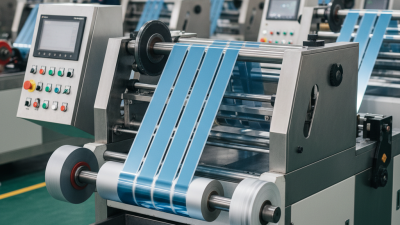
Rotary cutting mechanisms are popular for their precision. They use a circular blade to slice through materials efficiently. This option often leads to clean cuts, but it may struggle with thicker materials. Conversely, guillotine mechanisms provide strong force and can accommodate larger items. However, their cuts may not always be as clean, leading to potential waste.
Consider your specific needs. If you require high speed and accuracy, rotary machines might be more suitable. However, for bulk cutting tasks, guillotine options could save you time. There could be hidden costs associated with maintenance and blade replacements. Reflect on the long-term implications of your choice, as it directly affects productivity.
Choosing the right automatic length cutting machine involves understanding material compatibility. Different materials respond uniquely to cutting methods. For example, soft fabrics and rigid plastics require distinct approaches. A machine suited for cutting fabric might struggle with denser materials, leading to imprecise cuts.
Assessing the intended materials is critical. Consider their thickness, texture, and composition. Thicker materials may need machines with higher power and specialized blades. The cutting speed can also vary significantly based on material type. Too fast a speed could result in frayed edges on delicate fabrics. Testing small samples before large projects can help identify potential issues.
It's easy to overlook the maintenance of the machine itself. Regular checks on blades and calibration ensure consistent performance. Neglecting these can lead to uneven cuts. Researching user experiences can provide insights but may not always predict your specific needs. Each project can reveal new challenges, inviting reflection on your approach and equipment.
When investing in an automatic length cutting machine, understanding your budget is crucial. Identify how much you can realistically allocate for this purchase. Some machines may seem affordable upfront but can have hidden costs. Maintenance, repairs, and operational expenses add up quickly. Always factor in these elements when calculating your total investment.
Consider the features that are essential for your operations. For example, machines with programmable settings may have a higher initial cost. However, they can save time and labor in the long run. Evaluate whether these features align with your production needs. Finding value means balancing upfront costs with the potential benefits. Don't overlook the importance of research here.
Read reviews and consult industry experts to gain insights. Seek out recommendations from peers who have made similar purchases. Their experiences offer valuable perspectives. An informed decision will enhance your investment's reliability. Reflect on what you truly need versus what is simply desirable. This clarity can prevent overinvestment in unnecessary features. Focus on machines that offer the best performance within your budget constraints.
| Feature | Importance | Budget Range ($) | Value Rating (1-5) |
|---|---|---|---|
| Cutting Precision | High | 2000 - 5000 | 5 |
| Speed of Cutting | Medium | 1500 - 4000 | 4 |
| User Interface | High | 1000 - 3000 | 5 |
| Durability | High | 2500 - 6000 | 5 |
| After-Sales Service | Medium | 500 - 2000 | 4 |