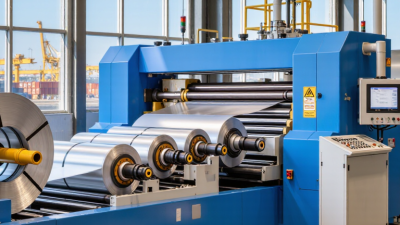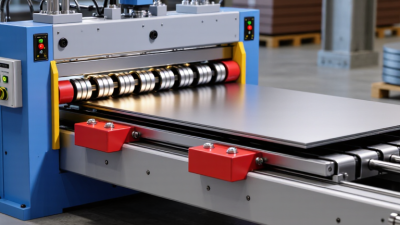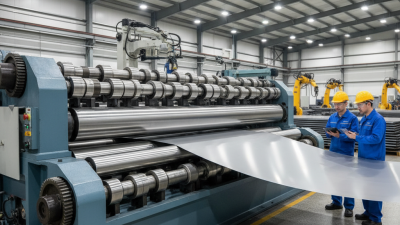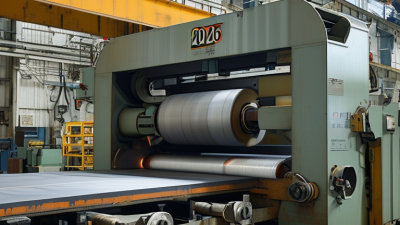

A roll straightener machine can turn curved strip into stable, usable material, but the right choice depends on more than rated capacity. Coil width, thickness, yield strength, and incoming coil set all affect the result. A machine that handles a sample sheet may still struggle with a full coil. Small setup errors show up quickly as edge waves, residual bow, or uneven feeding.
Metal-forming researcher Dr. Taylan Altan’s work offers a useful principle for buyers: “Match the process to the material, not just the machine’s headline capacity.” This is a practical paraphrase, not a verbatim quotation. Use it to guide supplier conversations. Ask for a trial using your actual material, and check the strip at the entry, exit, and across its full width. Look closely at the rollers, adjustment range, drive system, and controls. Ask how operators set the machine for a new thickness, and what maintenance the leveling rolls need.
Details matter. A sample that looks flat on a short bench may curl again after cutting. It happens. Compare the supplier’s claimed tolerances with your real production requirements, and request test results where possible. Consider floor space, loading method, operator training, and access to spare parts. These costs are easy to overlook. A careful purchase balances accuracy, throughput, service support, and future material changes. No single specification tells the whole story. This 2026 buying guide explains how to assess those trade-offs and choose a roll straightener machine that fits your line—not merely your quotation.
A roll straightener must match the material, not just the production target. Record the actual thickness, usable width, and yield strength for each material grade. Measure thickness at several points across the sheet; coils can vary slightly from edge to center. Small details matter.
Thickness affects roll spacing and straightening force. A machine set for thin sheet may struggle with thicker stock, while excessive force can mark or distort light material. Width matters too: a narrow strip and a full-width sheet load the rolls differently. Confirm the machine’s working-width range, and check whether your widest material needs support near the edges. Measure twice.
Yield strength, measured in MPa, indicates how much stress material can take before permanent deformation begins. Higher-strength stock usually needs greater straightening force and a machine designed for that load. Do not confuse yield strength with tensile strength; they describe different properties. Use mill test certificates when available, and verify the values against the grades you actually run. A maximum specification alone can mislead. The numbers are a starting point, not a perfect description of every coil. If material data is incomplete, pause before choosing capacity; that cautious step can prevent poor flatness, surface marks, or avoidable rework.
A roll straightener should be selected for the defects your strip actually shows, not just its thickness range. Look across the width under steady lighting. Edge wave appears as lifted edges; center buckle shows looseness through the middle. Coil set may remain visible after unwinding, while crossbow bends the strip sideways. Note where each defect starts and whether it changes along the coil. Small details matter.
Set a target flatness in I-units that fits the next process, such as stamping or slitting. One I-unit represents a relative length difference of 0.001 percent between strip zones. Measure with consistent strip tension and a suitable flatness gauge; visual inspection alone can miss mild, uneven strain. A target that is too aggressive may waste adjustment time or create new shape problems. There is no single number for every line.
When comparing machines, ask how roll position, penetration, and working-roll support are adjusted. Match the setup to the strip’s width, gauge, material, and defect pattern. Keep a record of incoming shape, settings, and measured I-units for each trial. The awkward part is that a strip can look flat while carrying uneven internal strain. Recheck it after the process changes. Don’t trust appearance alone.
A roll straightener’s leveling capacity depends on more than sheet thickness. Record the material grade, thickness, width, and condition, such as annealed or work-hardened. Higher-strength grades resist bending and may spring back after passing through the rolls. A machine rated for mild steel may not achieve the same flatness on stronger steel at equal thickness. Check how the supplier defines its capacity. Is the rating based on a narrow strip or full-width stock? That distinction matters.
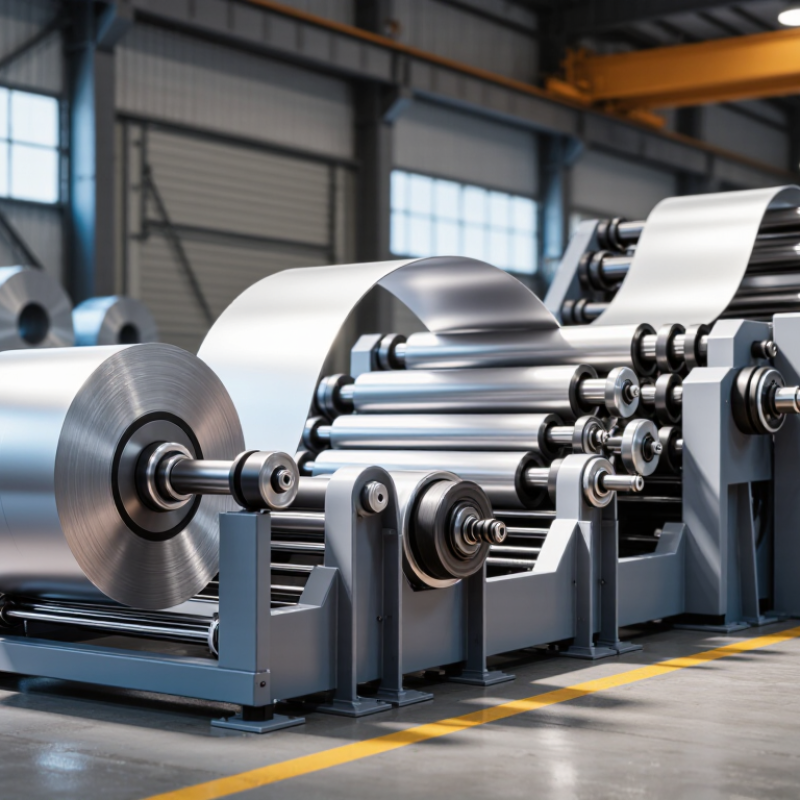
Roll diameter and spacing shape how the sheet bends. Smaller rolls can apply tighter corrections, which may help with thin material, but they need adequate support to avoid deflection. Larger rolls often suit heavier stock, though they may be less effective on very thin sheets. Roll count also matters: more rolls can allow gradual, controlled leveling, but count alone does not guarantee a flat result. Frame stiffness, adjustment range, and drive capacity count too. Check the edge.
Before choosing a machine, compare its capacity charts against your most demanding grade and width, not just your average job. Ask for a trial using representative material, then inspect the sheet under consistent lighting and on a flat table. A slight wave can be easy to miss on the shop floor. I would not rely on a single test piece; production variation can expose limits that a clean sample does not.
2026 Best Roll Straightener Machine Buying Guide
Compare Production Specs: Line Speed (m/min), Power (kW), and Coil Range
Line speed looks simple on a specification sheet, but it only matters when paired with your material and target output. A machine rated at 20 m/min may run slower when processing thicker or harder steel. Check whether the stated speed is maximum or typical, and ask how it changes with sheet thickness. Numbers need context. A short sample run can reveal feeding issues that a brochure will not show.
Compare power in kW against the full line configuration, not just the straightener motor. Feed equipment, controls, and optional drives may add to the total load. Then check coil range: thickness, width, weight, and inner and outer diameters. Make sure the range covers your regular coils, not only an occasional special order. Allow for variation. One detail buyers sometimes overlook is how coil changes affect actual production time.
Tips: Request a specification sheet showing speed by material thickness, installed power, and supported coil dimensions. Verify the figures against your own material samples. If your production needs may change, leave some capacity in the coil range; choosing too tightly can become an expensive regret.
Compare representative machine classes for coil-fed sheet-metal processing. Figures are indicative planning ranges, not specifications for a particular machine or manufacturer.
| Machine Class | Typical Line Speed (m/min) | Main Leveling Drive Power (kW) | Material Thickness (mm) | Coil Width (mm) | Typical Leveling Rolls | Common Applications |
|---|---|---|---|---|---|---|
| Light-Gauge Precision | 10–30 | 5.5–11 | 0.2–1.5 | 300–1,300 | 7–11 | Thin steel, aluminum, and other light-gauge strip for stamped parts and enclosures. |
| General-Purpose Sheet | 8–25 | 11–22 | 0.5–3.0 | 600–1,600 | 9–15 | Everyday coil-fed fabrication, blanking, and press-feeding applications. |
| Heavy-Gauge Plate | 3–15 | 22–45 | 1.0–6.0 | 800–2,000 | 9–17 | Thicker steel sheet and plate processing where higher leveling force is needed. |
| Wide-Strip Production | 5–20 | 22–55 | 0.8–4.0 | 1,200–2,000 | 11–19 | Wide coil processing for structural components, appliances, and general fabrication. |
| Compact Feed-Line Straightener | 5–20 | 2.2–7.5 | 0.3–2.0 | 100–600 | 7–13 | Narrow-strip press feeding and smaller production lines with limited floor space. |
Buying note: Actual speed and capacity depend on material grade, yield strength, thickness, strip width, roll diameter, and line configuration. Confirm the rated operating range with the supplier; drive-power figures above refer to the main leveling drive and may exclude decoilers, feeders, and auxiliary equipment.
A roll straightener can look capable on a showroom floor and still struggle with your material. Check whether its controls let operators set roll gap, speed, and feed direction clearly. Ask for the adjustment range and repeatability, not just the screen size. Can settings be saved and recalled for different coil thicknesses? Small details matter. Request a live demonstration using material close to your own in width, thickness, and strength.
Inspect guarding, emergency stops, and access points around the rolls. Operators should be able to understand safe start-up and shutdown steps without guessing. Ask who trains them, how quickly replacement parts can be supplied, and what remote or on-site service includes. A vague service promise is not a response time. I would not treat a polished brochure as proof; those details need written confirmation.
Before acceptance, agree on test conditions and measurable results. Ask for data showing entry and exit flatness, line speed, material dimensions, and the measurement method. The report should identify the test material and record any adjustments made during the run. Compare results against your actual tolerance, not a convenient sample. One imperfect point: test data may not predict every coil, so plan a follow-up trial with production material before signing off.