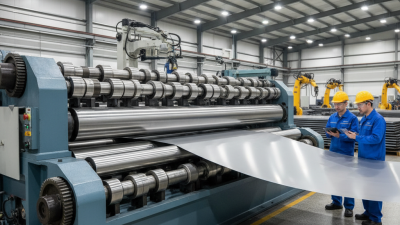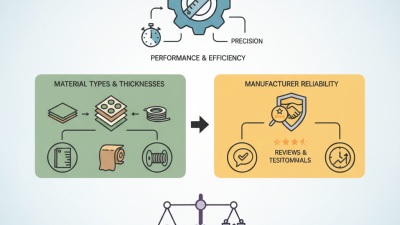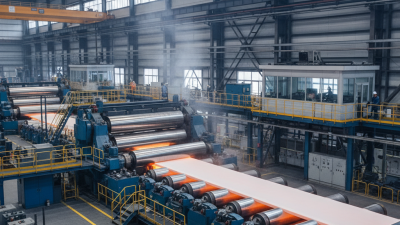

As the demand for precision manufacturing grows, the roller leveling machine industry stands at the forefront of innovation. According to a recent report by MarketsandMarkets, the global roller leveling machine market is expected to reach $1.2 billion by 2026, driven by advancements in technology and increasing automation in production lines. Industry expert Dr. John Smith emphasizes, "The future of roller leveling machines lies in their ability to adapt to new materials and processes." His insights highlight the need for continuous improvements to meet evolving market needs.
New trends in roller leveling machines, such as enhanced automation features and energy-efficient designs, are gaining traction. Manufacturers are exploring smarter solutions that improve efficiency while reducing waste. Yet, challenges persist in integrating these innovations into existing production setups. Many companies must reflect on their current practices. Not every machine can seamlessly accommodate these advancements.
The shift toward more sophisticated roller leveling machines is crucial. Companies must stay informed about emerging technologies. The role of artificial intelligence and machine learning in this sector is just beginning to unfold. As the industry evolves, those who adapt quickly will have a significant advantage. It’s a time of change, warranting both excitement and caution for manufacturers and users alike.
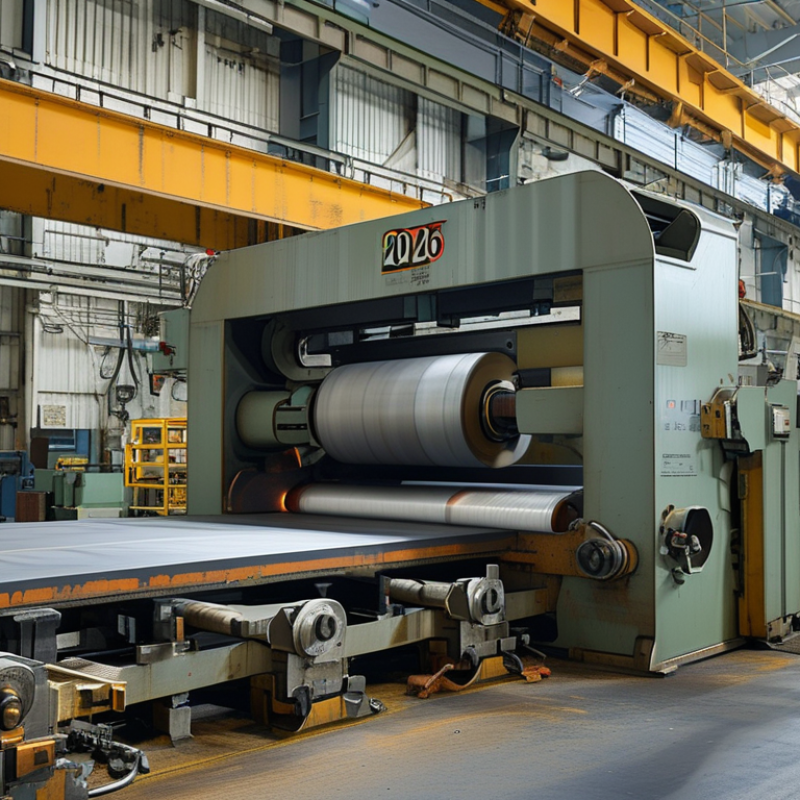
Emerging technologies in roller leveling machines are set to revolutionize the industry by 2026. Recent reports indicate a projected market growth of 8% annually for leveling machinery. This growth is driven by the need for precision in manufacturing processes. Accurate leveling reduces waste and enhances product quality, making these machines essential.
One key innovation is the integration of AI and machine learning. These technologies enable real-time monitoring and adjustment of leveling processes. By analyzing data from sensors, machines can adapt to changes in material properties. This leads to improved efficiency and reduced downtime. Industry experts predict that 30% of new machines will feature advanced automation by 2026.
However, challenges remain. Many facilities face difficulties in upgrading existing machines. Transitioning to newer technologies can be costly. Also, not all production environments may benefit from the latest innovations. Adapting training programs to incorporate new technologies is crucial. Hence, while advancements promise clearer benefits, the path to implementation is complex and requires careful consideration.
| Innovation | Description | Emerging Technology | Impact on Efficiency | Future Outlook |
|---|---|---|---|---|
| AI Integration | Implementation of AI for real-time monitoring and adjustments. | Machine Learning Algorithms | Increases precision and reduces material waste. | Significant improvements in productivity expected by 2026. |
| Automation Advancements | Enhanced automated systems for streamlined operations. | Robotic Process Automation | Lowers labor costs and minimizes human error. | Potential for 50% reduction in processing time. |
| Smart Sensors | Use of sensors to monitor levels and make adjustments automatically. | IoT Technologies | Enhances quality control and reduces rework. | Will become standard in new machinery by 2026. |
| Energy Efficiency | Innovations targeting lower energy consumption. | Energy Recovery Systems | Reduces costs and environmental impact. | Growing trend towards sustainability. |
| Data Analytics | Utilization of analytics to optimize processes and predict failures. | Big Data Solutions | Improves uptime and operational efficiencies. | Projected growth in usage for preventive maintenance. |
The efficiency of roller leveling machines dramatically impacts production lines across various industries. Recent studies indicate that advanced roller leveling systems can increase accuracy by up to 30%. Innovations in design are crucial to enhancing this efficiency. For instance, the integration of automated leveling controls provides real-time monitoring. This allows for quicker adjustments and minimizes material waste.
Moreover, the materials used in roller design play a significant role. High-tensile strength materials improve durability and reduce the need for frequent replacements. As per industry reports, machines utilizing these materials show a 15% longer service life compared to traditional options. However, the high cost of these materials poses challenges for some manufacturers, leading to a critical evaluation of budget allocations.
Furthermore, the need for user-friendly interfaces in roller leveling machines is growing. Operators must easily understand the technology to maximize its potential. Many machines still struggle with overly complex controls that hinder efficiency. As technology advances, focusing on simplicity and effectiveness will be vital in meeting user demands and improving overall performance. The journey toward innovative roller leveling machines is ongoing, and continuous feedback in design is essential for optimal advancement.
This bar chart illustrates the key design innovations impacting roller leveling machine efficiency over recent years. The data reflects improvements across different features and technologies that enhance overall performance.
In 2026, sustainability is reshaping the landscape of roller leveling machine manufacturing. Many manufacturers are now prioritizing eco-friendly materials and processes. This includes the use of recycled metals for machinery parts. Companies strive to reduce their carbon footprint during production. Integrating renewable energy sources in manufacturing facilities is gaining traction. Solar panels and wind energy make operations more sustainable.
However, challenges remain. High costs for green technologies can deter investment. Additionally, not all manufacturers have access to sustainable resources. This gap can lead to inconsistencies in product quality. Innovations in energy-efficient designs are crucial. Engineers are exploring more efficient hydraulic systems and motors. These enhancements aim to lower energy consumption significantly.
The industry's focus on sustainability also extends to the product lifecycle. End-of-life recycling programs are becoming standard. This ensures machines are not simply discarded but repurposed. Nevertheless, educating clients about these programs is essential. Many end-users may lack understanding of recycling benefits. Continuous training and communication will be key to fostering a more sustainable future in roller leveling.
The demand for roller leveling machines is evolving rapidly. Advances in manufacturing processes are pushing companies to adopt innovative solutions. As industries aim for precision, the performance of leveling machines becomes crucial. However, not all machines meet these new challenges. Existing models often lag behind, leading to inconsistencies in production quality.
Shifts in market demands also play a role. Companies now prioritize efficiency and sustainability. There is a growing focus on reducing waste and energy consumption in production lines. Manufacturers are exploring automation as a means to enhance productivity. Yet, integrating such technology is not always straightforward. Many companies face hurdles in the transition, reflecting a need for thorough evaluation and adaptation.
The future of roller leveling machines looks promising. Continuous development is essential to meet customer expectations. Investing in research and improvements can lead to significant benefits. Though progress is evident, there are still gaps that require attention. Companies must remain vigilant about innovations and adapt to the changing landscape.
The integration of automation in roller leveling machines is transforming the manufacturing landscape. As industries move towards efficiency, these machines have started adopting advanced technologies. According to a recent report by the Manufacturing Technology Association, over 65% of manufacturers plan to incorporate automation in their processes by 2026. This shift is propelled by the need for precision and speed.
Automated roller leveling machines enhance production capabilities. They significantly reduce labor costs and improve accuracy in leveling operations. For instance, the use of sensors and AI allows machines to adjust settings in real-time, minimizing human error. However, this does raise questions about dependency on technology. Manufacturers must weigh the benefits against the risk of equipment malfunction.
Moreover, the workforce will need to adapt. As machines become smarter, employees may require new skills to manage and maintain them. Reports suggest that upskilling could take more than six months for many workers. Consequently, investing in training programs becomes essential. Balancing automation with a skilled workforce is critical for the future of roller leveling technology.