
Scroll Top
4801 Bennett Rd. Toledo, Ohio 43612

Top Coil Slitting Machine Suppliers for Global Procurement?

The demand for coil slitting machines is on the rise. Many industries rely on these machines for precision cutting of metal strips. Choosing a reliable supplier is crucial for procurement. It impacts production efficiency and product quality.

Global suppliers vary in expertise and capabilities. Some are renowned for their advanced technology and reliability. Others focus on affordability, which can sometimes compromise quality. Understanding the strengths of different suppliers is essential. It enables businesses to make informed decisions that align with their production goals.

When selecting a coil slitting machine supplier, consider factors like service support and warranty. Each supplier offers a unique value proposition. Companies should reflect on their specific needs. This way, they ensure optimal performance and longevity of machinery. Balancing cost against quality can be challenging but necessary for long-term success.
Top Coil Slitting Machine Suppliers for Global Procurement?

Overview of Coil Slitting Machines and Their Applications

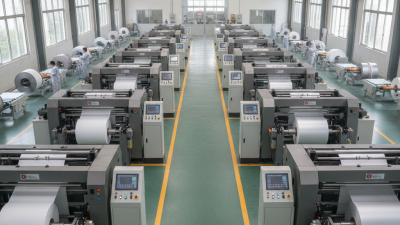
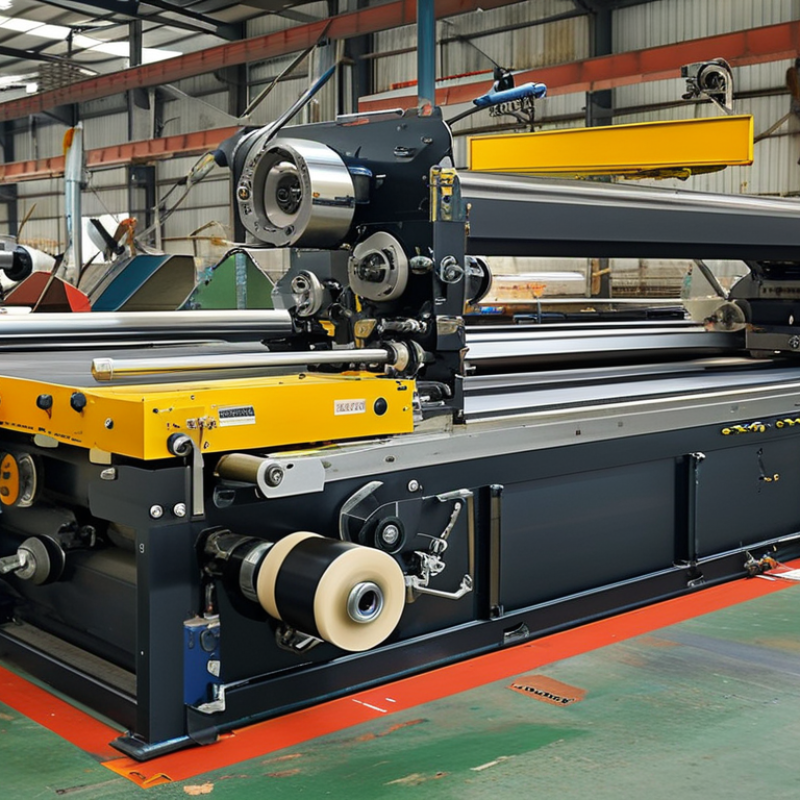
Coil slitting machines are essential in various manufacturing sectors. They cut large rolls of material, typically metals or plastics, into narrower strips. This process is vital for producing materials used in automotive, construction, and electronics industries. The precision and speed of these machines ensure efficiency in production lines.

In practical terms, users should consider the machine’s capability to handle different coil widths and thicknesses. Some machines offer advanced features, such as automatic blade adjustments and real-time monitoring. However, not all machines can accommodate unique material properties, which can lead to challenges. Understanding these nuances is crucial.

Maintenance is another significant factor. Users often overlook regular servicing of these machines. Neglect can result in inconsistent cuts and production delays. Ensuring optimal performance through routine checks can make a considerable difference in output quality. A proactive approach in addressing maintenance spots areas for improvement and enhances overall productivity.

Top Coil Slitting Machine Suppliers for Global Procurement

Supplier Region Machine Type Max Slitting Width (mm) Thickness Range (mm) Production Speed (m/min) Applications
North America Automated Slitting Machine 1600 0.3 - 2.0 200 Stainless Steel, Aluminum
Europe High-Speed Slitting Machine 1800 0.2 - 1.5 250 Carbon Steel, Copper
Asia Heavy-Duty Slitting Machine 2000 0.5 - 3.0 150 Metal Sheets, Coils
South America Manual Slitting Machine 1400 0.5 - 2.5 100 Thin Foils, Plastics

Key Features to Consider When Selecting a Coil Slitting Machine

When selecting a coil slitting machine, several key features must be taken into account. Precision is critical; machines should deliver consistent slitting widths. According to a recent industry report, around 70% of manufacturers prioritize machine accuracy, influencing overall production quality. Another important feature is the machine’s speed. Faster machines not only improve efficiency but also reduce operational costs.

Maintenance is a factor that often gets overlooked. Regular upkeep can prevent costly downtime. Some machines may require specialized training for operation and maintenance, which could affect workforce adaptability. Flexibility is also essential; consider machines that can handle various coil types and thicknesses. This adaptability can increase a production line's versatility.

Tips: Always evaluate the supplier's customer support capabilities. A reliable after-sales service can significantly impact the operational lifespan of your equipment. Checking for warranties and their terms is wise. It might also be beneficial to consult with industry experts about emerging technologies or trends that might influence your choice in the future.

Global Coil Slitting Machine Suppliers - Key Features Analysis

This bar chart represents the key features to consider when selecting a coil slitting machine based on their ratings. The features assessed include Speed, Precision, Max Coil Weight, and Blades Count.

Leading Suppliers of Coil Slitting Machines Worldwide

When exploring the landscape of coil slitting machines, it's crucial to identify leading suppliers with a proven track record. Recent market analyses indicate that the coil slitting machine industry is experiencing significant growth, projected to reach a market size of over $1 billion by 2025. This increase is driven by advancements in automation and an uptick in steel and aluminum manufacturing.

Top suppliers tend to prioritize technology and innovation. They invest heavily in research and development. Key features in demand include precision cutting and high-speed capabilities. According to industry reports, efficient machinery can improve production line speed by up to 30%. However, not all suppliers meet the same quality standards. Buyers should ensure they conduct thorough assessments of technical specifications. This approach minimizes risks associated with equipment failure and delays in production.

Moreover, the global supply chain can be unpredictable. Recent disruptions have shown that suppliers need to be adaptable. Many are reassessing their logistics strategies to better manage inventory. Clients should consider the supplier's flexibility in meeting changing market demands. This consideration can lead to a more resilient procurement strategy, although it requires ongoing evaluation.

Factors Influencing Global Procurement of Slitting Machines

When considering the global procurement of slitting machines, several factors emerge as crucial. The demand for high-quality materials like aluminum and steel is rising. According to industry reports, the worldwide slitting machine market is projected to reach USD 600 million by 2025. This growth underscores the importance of selecting reliable suppliers who can meet quality standards and delivery timelines.

Cost efficiency also plays a significant role in procurement decisions. Buyers often face pressure to minimize expenses while maintaining product quality. Price fluctuations in raw materials can directly impact slitting machine production costs. Moreover, the geographical location of suppliers affects shipping costs and logistics, which are critical in maintaining a competitive edge.

Quality assurance cannot be overlooked. A machine that fails to meet specifications can result in wasted materials and time. In a study by a leading manufacturing association, companies reported that inefficient slitting processes lead to a 20% increase in operational costs. Therefore, it is essential for organizations to conduct thorough evaluations of suppliers. Companies should assess both the technology and the service offered. An understanding of these elements is vital for making informed procurement choices in the slitting machine market.

Current Trends in Coil Slitting Technology and Market Demand

Coil slitting technology is evolving rapidly, reflecting changes in market demand. As of 2023, the global coil slitting machine market is projected to grow at a CAGR of 4.2%. This growth is driven by increasing demand from industries such as automotive, construction, and electronics. A recent report highlights that nearly 60% of manufacturers are upgrading their slitting technology to improve efficiency and product quality.

In terms of trends, manufacturers are leaning towards automation and precision. Automated systems reduce human error and increase throughput. The latest machines come equipped with advanced features like real-time monitoring and predictive maintenance. Companies that adapt quickly to these technological advances tend to outperform their competitors.

For those looking to optimize their coil slitting operations, consider investing in machinery that offers flexible configurations. Machines that can handle various material types and thicknesses provide a competitive edge. Another key point is to regularly assess your current technology against market innovations. This practice can reveal gaps in efficiency or potential cost savings. Staying informed about technological advancements can lead to better procurement strategies.