
Scroll Top
4801 Bennett Rd. Toledo, Ohio 43612

What Is the Best Plate Leveling Machine from China?

Choosing the best plate leveling machine from China requires more than comparing prices or polished factory photographs. The right decision depends on plate thickness, width, material grade, production speed, and required flatness. A machine for mild steel may not perform equally well with stainless steel or aluminum. Small differences in roller diameter, frame stiffness, drive power, and control accuracy can affect every finished plate.

This guide examines practical factors that experienced buyers should verify before placing an order. These include leveling capacity, roller arrangement, hydraulic protection, motor reliability, automation, spare-part access, and commissioning support. Supplier experience matters, but documented performance matters more. Ask for material certificates, inspection records, test videos, and references from comparable plants. When possible, inspect a sample plate after leveling. Feel the surface. Measure the flatness.

The cheapest option is rarely the safest long-term choice. Yet the most expensive machine is not automatically the best. That assumption needs questioning. A reliable plate leveling machine should match your actual workload, not an idealized factory plan. Consider energy use, maintenance space, operator training, and response time for technical support. Independent inspection can also reduce avoidable risk before shipment.

Chinese manufacturers offer broad customization and competitive engineering capability. However, quality varies between suppliers, production teams, and control systems. No guide can remove every uncertainty. Careful specifications, transparent communication, and measurable acceptance standards create stronger protection. With those checks in place, buyers can compare machines fairly and select equipment that delivers stable results, practical service, and dependable value.
What Is the Best Plate Leveling Machine from China?

What Is a Plate Leveling Machine?

What Is the Best Plate Leveling Machine from China?

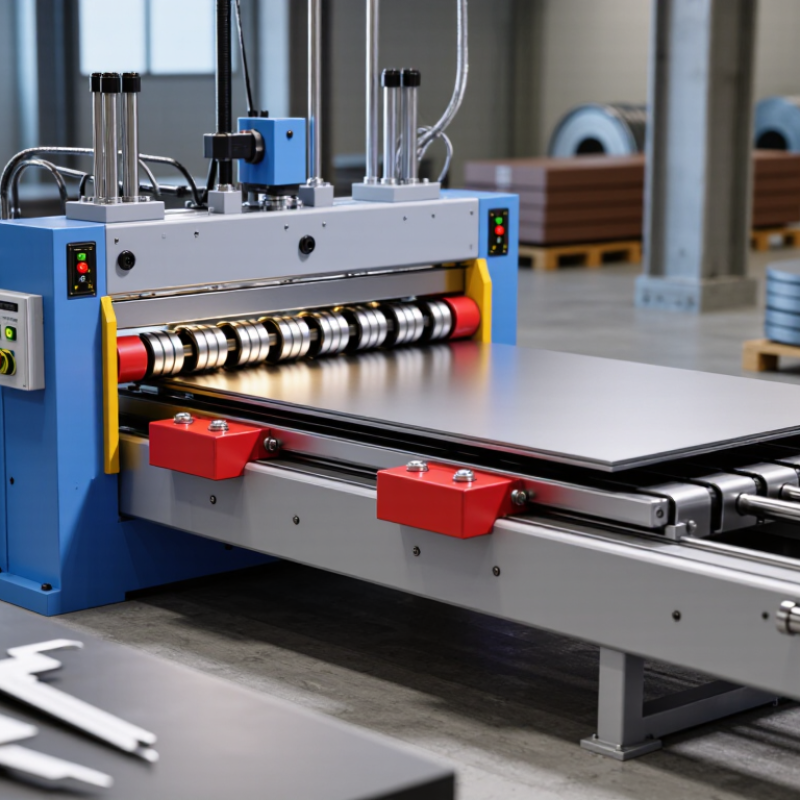
A plate leveling machine corrects bending and internal stress in metal plates. It uses several calibrated rolls, arranged in alternating positions. The plate passes through them under controlled pressure. Repeated small deflections gradually improve flatness. This differs from a press, which applies force mainly at selected points. The machine may process carbon steel, stainless steel, aluminum, or other alloys. However, material thickness, yield strength, width, and temperature strongly affect performance.

Demand for accurate plate processing remains significant. The World Steel Association reported approximately 1.89 billion tonnes of crude steel production in 2023. That volume supports continued investment in dependable flatness equipment. EN 10029 defines dimensional and shape tolerances for hot-rolled steel plates. Buyers should compare machine results against the tolerance required by their customers. In practical trials, stable roll alignment matters as much as motor power. A large frame is not automatically better. Sometimes, specifications look impressive but hide limited adjustment accuracy. This is where careful testing is necessary.

Tips: Request a test using your actual plate grade and thickness. Measure flatness before and after leveling. Check roll diameter, backup-roll design, control resolution, and replacement-part access. Ask for operating data, not only catalog claims. A small compromise in speed may improve consistency. Also inspect the machine’s safety guarding and emergency controls before purchase.

How Does a Plate Leveling Machine Work?

A plate leveling machine removes unwanted waves, bends, and internal stress from metal plate. It works by passing the plate through several rollers. These rollers apply controlled pressure from above and below. Each roller bends the plate slightly in alternating directions. That pressure matters. The material gradually loses its original uneven shape.

The process begins with roller gap adjustment. Operators consider plate thickness, width, material strength, and temperature. The entry rollers make the strongest correction. Later rollers apply smaller bends for stability. Sensors or manual gauges can check flatness during production. A skilled operator watches the plate edge, surface marks, and feeding resistance. Small adjustments often produce better results than aggressive settings. Excessive pressure may create new bends or surface damage.

A practical lesson is that leveling is not completely automatic. Material springback can change the final result after the plate leaves the machine. Operators may need several trial passes. This is normal, but it should be recorded carefully. When comparing a plate leveling machine from China, buyers should examine roller stiffness, adjustment accuracy, control access, and maintenance support. Ask for test results using similar plate grades. Strong specifications look useful, yet real performance depends on setup, inspection, and operator skill. No setting fits every plate.

What Is the Best Plate Leveling Machine from China?

Typical working-thickness ranges for industrial plate leveling applications

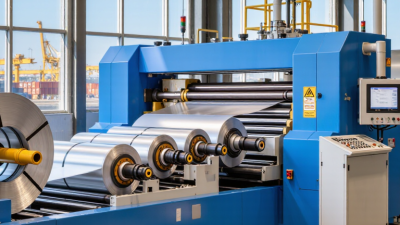
A plate leveling machine passes metal plate through several adjustable rolls. Each roll bends the plate slightly in alternating directions, taking the material beyond its elastic limit and redistributing residual stress. The best machine should match the material, thickness range, plate width, yield strength, required flatness, and production speed. The ranges shown are representative industrial operating ranges; actual capacity depends on machine design and process conditions.

Which Features Define a High-Quality Chinese Machine?

A high-quality Chinese plate leveling machine should be judged by performance, not appearance or a low quotation. In practical trials, the frame must remain rigid while heavy steel plates pass through the rollers. A welded, stress-relieved body reduces deflection and helps maintain flatness across the plate. Precision-machined rollers matter just as much. Their diameter, surface finish, alignment, and hardness affect marks and repeatability. Ask for measured tolerances, not general promises.

Useful machines provide controlled roll-gap adjustment, hydraulic protection, and readable digital settings. Automatic feedback can compensate for plate thickness changes, but only when sensors are calibrated. A suitable feeding table and discharge table also help prevent edge damage. Check the rated thickness range, plate width, yield strength, and leveling speed against actual jobs. A machine may handle thin sheets beautifully yet struggle with thick, high-strength plate. That detail is easy to miss.

Reliability also depends on electrical cabinets, lubrication points, spare-parts access, and clear maintenance manuals. Request factory test records, sample leveling results, and a video showing the machine under load. Independent inspection is worth the cost. I would not trust a polished demonstration alone. Some suppliers provide excellent engineering, while others leave documentation incomplete. Operator training, emergency protection, and responsive technical support should be verified in writing. The purchase contract should state performance tolerances, inspection methods, and service responsibilities.

How Can Chinese Plate Leveling Machines Be Compared?

Comparing Chinese plate leveling machines requires more than checking price or appearance. Start with your material range: plate thickness, maximum width, yield strength, and surface requirements. A suitable machine should maintain stable flatness across the full working width. Ask for recorded test results using steel close to your own production material.

Inspect the roller arrangement, frame rigidity, drive system, and adjustment method. Hydraulic control can improve repeatability, but only when calibration remains consistent. Request details about roller diameter, leveling accuracy, motor capacity, and expected production speed. Reliable suppliers should provide drawings, inspection records, operating instructions, and clear spare-parts support. In my experience, vague specifications often create expensive surprises after installation. The machine may look strong.

Tips: Send a real sample plate before ordering. Review the test video carefully. Check the plate edges, center area, and exit surface. Ask how operators correct springback and thickness changes. A local service plan is useful, but response time matters more than promises. Compare warranty terms, installation training, and maintenance access. Do not judge performance from one perfect sample. Repeat testing with different thicknesses. That is where weaknesses appear.

What Is the Best Plate Leveling Machine from China? - How Can Chinese Plate Leveling Machines Be Compared?

Machine Configuration Typical Plate Thickness Typical Working Width Typical Material Strength Leveling Roll Arrangement Typical Leveling Speed Typical Flatness Capability Main Advantages Common Limitations Best-Fit Applications
Four-High Plate Leveler 3–16 mm 1,300–2,500 mm Up to approximately 550 MPa, depending on roll diameter and drive capacity Small-diameter work rolls supported by larger backup rolls 8–25 m/min Suitable for general commercial flatness requirements; commonly around 3–8 mm deviation per 2 m, depending on material and process settings Balanced cost, good rigidity, simple operation, and broad application range Less suitable for very thin sheets, extremely high-strength plate, or demanding precision flatness Carbon-steel plate, structural components, machinery parts, and general fabrication
Six-High Plate Leveler 2–12 mm 1,300–2,200 mm Up to approximately 700 MPa, subject to machine design and material grade Work rolls and intermediate rolls supported by backup rolls 10–35 m/min Generally better control than a conventional four-high machine; often selected for approximately 2–5 mm deviation per 2 m Improved roll-gap control, reduced roll deflection, and better results on thinner plate Higher purchase and maintenance cost; more adjustment parameters and greater setup requirements Automotive parts, appliance panels, precision fabrication, and medium-gauge high-strength steel
Multi-Roll Precision Leveler 0.8–6 mm 600–2,000 mm Typically up to approximately 600 MPa, depending on material and roll size Multiple small work rolls with closely controlled roll spacing 15–60 m/min Designed for high flatness consistency, often approximately 1–3 mm deviation per 2 m when correctly set Strong control of residual curvature and edge-to-edge flatness on thin material Limited thick-plate capacity; sensitive to roll wear, material variation, and incorrect setup Laser-cut blanks, electrical enclosures, precision sheet-metal parts, and thin stainless steel or aluminum sheet
Heavy-Duty Nine-Roll or Eleven-Roll Leveler 10–40 mm 1,600–3,200 mm Approximately 500–900 MPa, depending on thickness, roll diameter, motor power, and frame strength Multiple rolls with large diameters, heavy frames, and high-capacity hydraulic adjustment 4–15 m/min Designed for reliable industrial flatness rather than thin-sheet precision; commonly around 5–12 mm deviation per 2 m High bending force, strong construction, and suitability for thick or high-weight plate Large footprint, higher energy consumption, slower production speed, and higher installation cost Shipbuilding, bridges, construction machinery, pressure-vessel components, and heavy structural plate
Hot Plate Leveler 8–60 mm 1,800–3,800 mm Material temperature and grade determine the actual processing limit; commonly used for carbon and low-alloy steels after hot rolling Heavy rolls with high-temperature protection, robust bearings, and reinforced drive components 2–12 m/min Focused on correcting thermal and rolling deformation; final flatness depends strongly on plate temperature and cooling history Can process thick hot plate and reduce deformation before downstream cutting or forming Requires temperature control, heat-resistant components, safety systems, and specialized maintenance Steel mills, heavy plate lines, structural steel, and large welded components
Cold Plate Leveler with Automatic Control 3–25 mm 1,500–3,000 mm Approximately 500–800 MPa, depending on configuration and plate grade Hydraulically adjusted rolls with programmable roll-gap and pressure control 6–25 m/min More repeatable flatness than manual adjustment; actual results depend on incoming shape, yield strength, and measurement system Improved repeatability, recipe storage, production monitoring, and reduced setup variation Higher control-system cost; requires qualified commissioning and operator training High-volume plate processing, contract leveling, and production lines requiring traceable settings
Comparison note: The figures shown are typical industry ranges for comparison purposes, not guaranteed machine ratings. Actual capacity and flatness depend on plate grade, yield strength, thickness, incoming flatness, roll diameter, roll spacing, leveling force, drive power, hydraulic adjustment, and process temperature. Before purchase, confirm the required working width, minimum and maximum thickness, maximum yield strength, production speed, flatness standard, automation level, spare-parts support, and acceptance-testing method.

How Do You Choose the Best Machine for Your Needs?

What Is the Best Plate Leveling Machine from China?

The best machine is not the largest one. It is the one matching your actual plate range.

According to World Steel Association’s World Steel in Figures 2024, global crude steel output reached about 1.89 billion tonnes in 2023. This volume creates varied demands for leveling equipment, from thin carbon steel sheets to thick, high-strength plates.

Start with material grade, thickness, width, and yield strength. A machine designed for 6 mm mild steel may struggle with 20 mm high-strength plate. Check the maximum leveling force, roller diameter, roller pitch, and working width.

Ask for test results using your own material. Measure flatness before and after leveling, not only machine speed. ISO 1101-based inspection methods can help define acceptable geometric tolerances. A fast machine with unstable flatness is not a good investment.

Tips: Request a trial report, electrical drawings, maintenance intervals, and spare-part lead times. Confirm whether the control system records pressure, speed, and roller position. Visit a working installation if possible. Energy data also matters. The International Energy Agency reports that industry remains a major global energy consumer, so inefficient hydraulic systems can increase operating costs. Do not judge only by the quotation. Some low-cost machines hide expenses in commissioning and service. That mistake is easy to make. Allow space for operator training, foundation work, and future production changes. I would also leave a safety margin of at least 15% for load capacity, although the exact allowance depends on the plate grade and process.