

Why Use a Pipe Straightener Machine?
A straight pipe is easier to weld, fit, and move through downstream equipment. Even a slight bow can complicate alignment, create uneven gaps, and slow a production line. A pipe straightener machine applies controlled force through adjustable rolls to correct longitudinal bends in pipe and tube. The right setup depends on material, diameter, wall thickness, and the amount of distortion. Small errors matter.
The scale of steel production helps explain why consistent processing matters. World Steel Association’s World Steel in Figures 2025 reports 1,882.6 million tonnes of crude steel production worldwide in 2024. That figure does not measure pipe output or straightening needs, but it shows the breadth of the material supply chain. For manufacturers, straightening is one practical step toward repeatable handling and fit-up. Results still depend on sound roll adjustment, machine condition, and inspection. A machine is not a cure-all.
This guide explains why a pipe straightener machine can be useful, what it can and cannot correct, and which operating factors deserve attention. We will also consider how to assess straightness after processing, rather than relying on appearance alone. Real production varies. A setting that works for one pipe may mark or under-correct another, so operators should follow equipment guidance and verify results with suitable measurement methods.
What a Pipe Straightener Machine Does
Why Use a Pipe Straightener Machine?
What a Pipe Straightener Machine Does
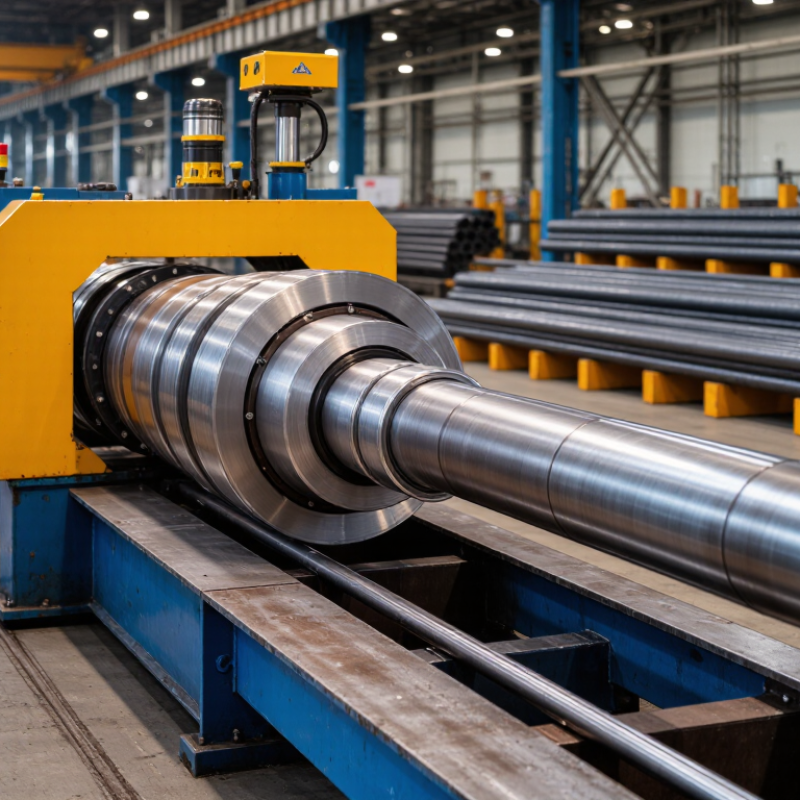
A pipe straightener machine corrects curvature in metal pipe after forming, welding, or handling. It feeds the pipe through a sequence of rollers that apply controlled, alternating pressure. This bends high spots slightly in the opposite direction, reducing the pipe’s overall bow. Operators adjust roller positions for the pipe’s diameter, wall thickness, and material. The aim is consistent straightness, not a perfectly stress-free pipe. That distinction matters.
On a production line, a pipe that wanders can complicate cutting, joining, and inspection. The World Steel Association’s World Steel in Figures 2025 reports 1,882.6 million tonnes of crude steel production worldwide in 2024. That figure describes industry scale, not straightener performance. Still, it helps explain why repeatable processing matters across busy manufacturing operations. A straightener can make downstream handling more predictable.
The machine cannot repair every defect. It will not reliably correct cracks, poor welds, or uneven wall thickness, and aggressive adjustment can deform thin-walled pipe. Operators should check straightness before and after processing, using the applicable product specification and suitable measuring tools. Setup often takes judgment. A useful reminder: rollers correct shape, but they do not replace inspection.
| Function or Process | What the Machine Does | Practical Result | How It Is Checked |
|---|---|---|---|
| Corrects pipe curvature | Applies controlled, alternating bending through rollers or other forming elements to reduce unwanted curvature. | Helps bring the pipe closer to the straightness requirement for its intended use. | Measure straightness over the specified inspection length using the applicable product or customer specification. |
| Controls roller contact | Positions rollers to support and deflect the pipe. Roller arrangement and adjustment depend on the machine design and pipe dimensions. | Provides a repeatable straightening process when the setup is appropriate for the pipe. | Check roller alignment, contact, and setup before processing; follow the machine instructions. |
| Processes different pipe sizes | Some machines can be adjusted for a range of outside diameters and wall thicknesses; the supported range is model-specific. | Allows one machine to handle multiple products when each product is within its rated capacity. | Confirm pipe diameter, wall thickness, material, and condition against the machine’s operating limits. |
| Supports consistent production | Repeats a configured roller path and feed process across successive pipes. | Can reduce variation between pieces compared with uncontrolled manual correction. | Inspect representative pieces during production and record results against the required tolerance. |
| Improves handling and downstream fit | Reduces bowing that can interfere with conveying, alignment, cutting, joining, or installation. | Can make pipes easier to handle and prepare for subsequent operations. | Check fit and alignment at the next process step as well as overall straightness. |
| Requires process verification | Does not automatically guarantee a specified result; performance depends on the pipe, setup, machine capacity, and measurement method. | Helps operators identify whether adjustment or a different process is needed. | Use a defined measurement method and acceptance limits from the relevant drawing, standard, or purchase specification. |
Related Posts
-
2026 Best Tube Straightening Machine for Efficient Production?
-
Top 5 Pipe Straightener Machines: Best Choices for Your Workshop Needs
-
Top 5 Aluminum Coil Slitting Machine Trends to Watch in 2025
-
How to Choose the Best Slitting Line Machine for Your Needs?
-
How to Choose the Right KUKA Machine?
-
How to Choose a Sheet Metal Cut to Length Machine