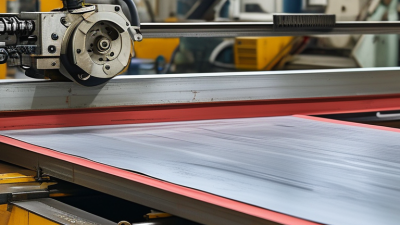

Choosing a sheet metal cut to length machine is not simply a matter of comparing prices. It is a production decision involving material, accuracy, speed, safety, and future demand. A machine that performs well on thin galvanized steel may struggle with thicker stainless coils. The wrong choice can create burrs, uneven lengths, wasted material, and costly downtime.
Dr. Taylan Altan, a respected sheet metal forming researcher, has emphasized, “Process capability must be considered before machine selection.” This principle deserves attention. Buyers should examine the coil width, thickness range, yield strength, maximum strip weight, and required cut length. They should also check the straightener’s roller design, shear accuracy, feeding stability, and automatic control functions. Small details matter. A strong line may still disappoint if its tension control is poor.
The best evaluation includes a real production trial. Bring representative samples, including the hardest grade normally processed. Measure cut-length tolerance, surface marks, edge quality, changeover time, and operator workload. Ask the supplier how maintenance is handled, how quickly spare parts arrive, and whether software support remains available. These questions often reveal more than a polished brochure.
There is no perfect machine.
A cautious buyer should also calculate total ownership cost. Energy use, tooling replacement, lubrication, training, and unplanned stoppages can change the final investment significantly. Sometimes, choosing the fastest line is a mistake. Sometimes, a simpler configuration offers better reliability. This article explains how to compare these factors and select a sheet metal cut to length machine that fits actual production conditions, not imagined requirements.
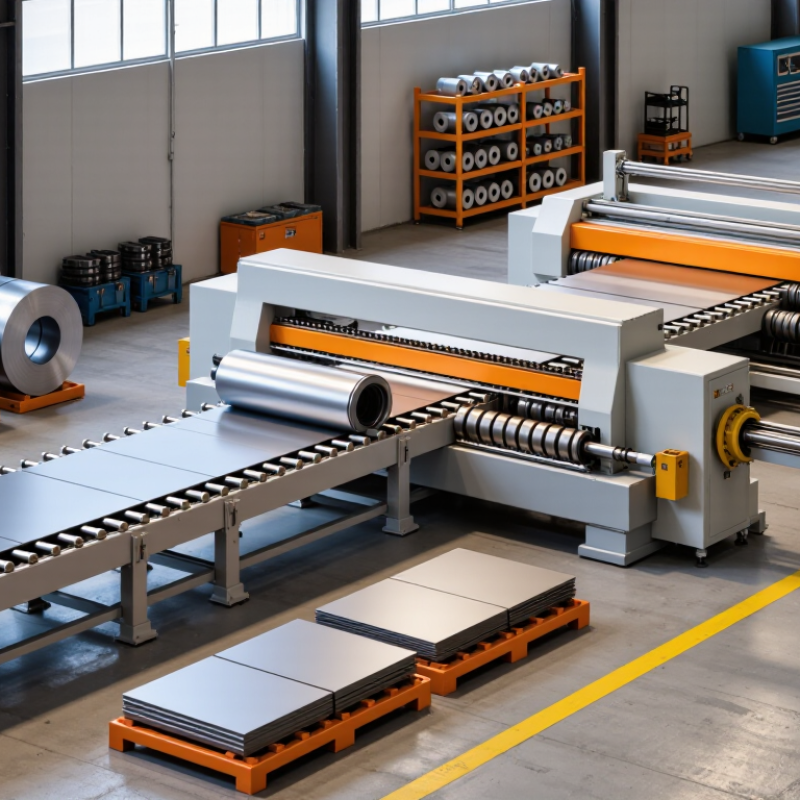
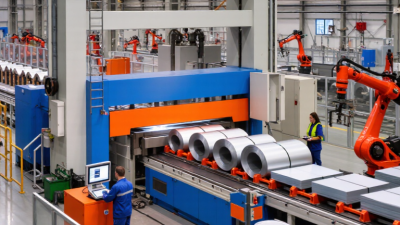
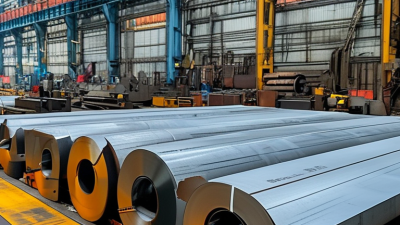
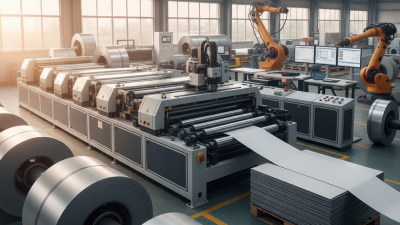
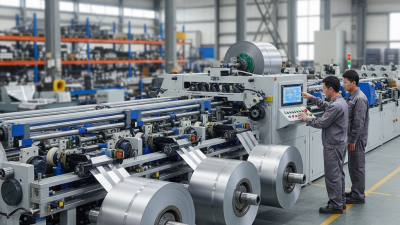
A sheet metal cut to length line converts a continuous coil into flat, accurately sized sheets. The process begins when a decoiler unwinds the coil. Pinch rolls then guide the strip into a leveler. The leveler removes coil memory, edge waves, and crossbow. A measuring system controls the feed distance. Finally, a flying shear or stop-and-cut shear separates each sheet. A conveyor and stacker arrange the finished blanks.
The main components must work as one system. The decoiler needs enough capacity for the coil’s weight and width. The leveler requires suitable roll diameter and adjustment range. The shear must match the material grade, thickness, and required production speed. Sensors monitor strip position and length. The control system coordinates acceleration, cutting, and stacking. According to the World Steel Association’s 2024 World Steel in Figures, global crude steel production reached about 1.89 billion tonnes in 2023. This scale highlights why stable feeding and reduced scrap matter in modern processing. Yet, a fast line is not automatically a precise line.
Tips: Check the actual coil range before selecting a machine. Ask for test cuts using your own material. Measure burrs, length tolerance, flatness, and stack alignment. A 2023 report from the International Energy Agency identifies material efficiency as important for reducing industrial energy and resource demand. That makes accurate setup more than a quality issue. It can also reduce waste. Leave room for operator judgment. Real coils are rarely perfect.
The cut-to-length process typically includes decoiling, leveling, feeding, shearing, and stacking. The chart shows representative upper thickness ranges commonly considered when matching a machine to different sheet-metal materials.
These are representative planning ranges rather than universal machine limits. Actual capacity depends on tensile strength, coil width, material temper, line speed, leveling accuracy, shear design, and required cut length. Always verify the final specifications against the material grades and production targets.
Machine capacity must match thickness, width, and material type. These three variables control cutting force, feeding stability, and edge quality. The World Steel Association reported 1.89 billion tonnes of crude steel production in 2023. This scale reflects the wide range of steel grades used in fabrication. A machine rated for mild steel may struggle with high-strength steel at the same thickness.
Start with the thickest sheet you process, not the average order. Check yield strength, tensile strength, coil width, and required cut length. Stainless steel and high-strength steel usually need greater shear force and stronger tooling.
Aluminum is lighter, but its softer surface can suffer scratches during feeding. The International Aluminium Institute reported more than 70 million tonnes of primary aluminum production in 2023. Material diversity matters. It changes the machine specification.
Tips: Add a safety margin of 15–25% above your maximum working thickness. Confirm the stated capacity for your actual material grade. I have seen machines selected by thickness alone, then underperform on narrow, high-strength strips. That mistake is easy to make. Verify the maximum coil weight, leveling capacity, knife gap adjustment, and width tolerance. A wider machine is not always better if your line lacks enough feeding control. Check sample cuts before purchase, and record burr height, squareness, and surface marks. Perfect matching is rare; careful testing is more reliable.
Cutting accuracy should match the finished part, not an impressive brochure number. Measure length tolerance across the actual coil, including thickness changes, camber, and temperature. ISO 9013:2017 provides thermal-cutting quality guidance, but a cut-to-length line still needs controlled feeding, leveling, and shearing.
Request trial cuts from your own material. Check ten consecutive sheets, then inspect the first and last pieces.
Small drift matters.
Line speed must support the production schedule without creating scrap. The World Steel Association reported 1,892 million tonnes of crude steel production in 2023. That scale increases pressure for stable, repeatable processing.
Yet maximum speed is not usable speed. A line rated at 80 meters per minute may run slower after recoiling, gauge changes, or frequent stacking. Ask for demonstrated speed at your target thickness and coil width.
Noise, vibration, and operator access deserve attention too.
Production requirements decide the practical machine configuration. List monthly tonnage, coil weight, material grades, thickness range, sheet dimensions, changeover frequency, and stacking pattern.
The International Energy Agency’s Energy Efficiency 2024 analysis emphasizes that industrial efficiency depends on operational control, not equipment alone. That is easy to overlook.
I would also calculate downtime from setup and maintenance. My first estimate would probably be optimistic.
A machine with lower peak speed may deliver more saleable sheets when changeovers are shorter and accuracy remains consistent.
A cut to length machine should match your production rhythm, not just your maximum speed. Deloitte’s 2023 Smart Manufacturing and Operations Survey found that 86% of manufacturers view smart manufacturing as important for competitiveness. That supports investing in automation, but more sensors do not automatically create better output. Check whether automatic coil loading, threading, length setting, and stacking reduce real operator movements. A short trial with your own material is more reliable than a polished demonstration.
The control system deserves equal attention. Choose a clear HMI with recipe storage, alarm history, remote diagnostics, and access permissions. The system should display tension, line speed, cut length, and fault location without forcing operators through confusing menus. Data export also matters for quality records and production analysis. Still, I would not treat connectivity as essential in every workshop. A powerful system can become a costly distraction when the team lacks training or stable network support.
Tips:
Ask for changeover time using different gauges. Test alarm recovery with a simulated sensor fault. Confirm spare-part availability and software support terms.
The U.S. Department of Energy’s Operations and Maintenance Best Practices Guide reports that predictive maintenance can save 30–40% compared with reactive maintenance. However, maintenance planning must remain practical. Inspect knives, rollers, belts, and sensors on a fixed schedule. Automated alerts help, but experienced technicians still catch unusual vibration and poor edge quality first.
How to Choose a Sheet Metal Cut to Length Machine
Budget should include more than the purchase price. Add installation, tooling, training, maintenance, energy use, and expected downtime. A lower-priced machine may become expensive after repeated alignment problems or delayed spare parts. Ask for a clear cost breakdown and request a practical cutting demonstration with your usual material thickness.
Safety deserves equal attention. Check guarding, emergency stops, light curtains, accessible controls, and safe coil loading procedures. Watch an operator perform setup, threading, cutting, and unloading. Small details matter, such as clear sightlines and floor space around the machine. Written training materials and maintenance instructions should be available in a language your team understands. Safety shortcuts are never a sensible saving.
Support can protect production when problems appear at 6 a.m. Confirm response times, technician coverage, remote troubleshooting, and spare-part availability. Speak with experienced users if possible. Their comments may reveal weaknesses that sales documents overlook. Think about future expansion, too. Leave room for automation, additional straightening capacity, data collection, or a wider material range. Your forecast may be wrong. Mine has been. Therefore, choose a control system and machine frame that allow upgrades without replacing the entire line. A modest acceptance test, documented measurements, and operator feedback can expose expensive assumptions before payment.
| Evaluation Dimension | Entry-Level / Low Volume | Standard Automatic Line | High-Volume / Modular Line | Selection Guidance |
|---|---|---|---|---|
| Typical capital budget | Approximately US$40,000–US$120,000 | Approximately US$120,000–US$350,000 | Approximately US$350,000–US$1,000,000+ | Use the full project budget, including tooling, installation, freight, electrical work, training, and maintenance spares. |
| Suitable production volume | Occasional orders, prototypes, repair work, or short batches | Daily production with repeated sizes and moderate job changeovers | Continuous production, multiple shifts, and high coil consumption | Choose capacity from actual annual tonnage and peak-month demand, not average demand alone. |
| Common material thickness | Approximately 0.4–2.0 mm | Approximately 0.5–3.0 mm | Approximately 0.6–6.0 mm, depending on the configuration | Confirm the actual yield strength, tensile strength, coating, and minimum inside diameter of each coil. |
| Typical working width | Up to approximately 1,250 mm | Approximately 1,250–1,600 mm | Approximately 1,600–2,000 mm or wider | Match the line width to the largest required sheet, while avoiding excessive unused width. |
| Line speed | Approximately 10–30 m/min | Approximately 30–60 m/min | Approximately 60–120 m/min, depending on material and cut length | Compare usable output after acceleration, deceleration, threading, recoiling, stacking, and changeovers. |
| Cut-length accuracy | Typically about ±0.5–1.0 mm | Typically about ±0.2–0.5 mm | Typically about ±0.1–0.3 mm under controlled conditions | Require a witnessed acceptance test using the buyer’s material, target lengths, and tolerance requirements. |
| Typical automation | Basic controls, manual setup, and limited recipe storage | PLC control, touchscreen HMI, servo feeding, and recipe management | Automated setup, production monitoring, data collection, and material handling integration | Prioritize automation that reduces setup time and operator handling rather than adding unused features. |
| Safety provisions | Fixed guarding, emergency stops, and basic interlocks | Perimeter guarding, guarded access doors, safety relays, and light curtains where required | Integrated safety circuits, monitored guards, safe-access zones, and automated coil or stack handling | Verify compliance with applicable local regulations and recognized machinery-safety standards before purchase. |
| Operator requirement | Usually 1–2 operators, with more manual handling | Usually 1–2 trained operators per shift | Often 1 operator per line, supported by material-handling personnel | Assess lifting risks, coil loading, sheet stacking, and the skill level available on every shift. |
| Changeover capability | Manual adjustment; typically 30–90 minutes | Recipe-based adjustment; typically 15–45 minutes | Automated or assisted setup; typically under 30 minutes for standard jobs | Use actual weekly job frequency and setup losses when calculating productivity. |
| Maintenance needs | Frequent manual inspection, lubrication, and adjustment | Scheduled lubrication, roll inspection, sensor checks, and blade maintenance | Preventive maintenance plans, condition monitoring, critical spares, and trained maintenance staff | Request a maintenance schedule, spare-parts list, recommended stock levels, and expected service intervals. |
| Technical support | Remote troubleshooting and periodic service visits | Remote diagnostics, commissioning, operator training, and scheduled service | Service-level agreement, remote access, local response capability, and formal uptime support | Evaluate response time, spare-parts availability, training quality, documentation, and software support duration. |
| Future expansion | Limited; may require external material-handling equipment | Often supports additional straightening, stacking, recoiling, or slitting modules | Designed for automated stacking, packaging, production data systems, and additional processing modules | Confirm spare electrical capacity, floor space, control-system scalability, and available expansion interfaces. |
| Best fit | Small fabricators with variable demand and strict capital limits | Manufacturers seeking a balance of productivity, flexibility, safety, and cost | Established plants with predictable demand, multiple shifts, and a strong return-on-investment case | Select the lowest-complexity machine that meets current requirements while preserving practical upgrade options. |