
Scroll Top
4801 Bennett Rd. Toledo, Ohio 43612

2026 Best Tube Straightening Machine for Efficient Production?

In the competitive manufacturing landscape, the importance of a reliable tube straightening machine cannot be overstated. According to a recent industry report by MarketsandMarkets, the global tube processing market is projected to grow from $3.5 billion in 2021 to $5.2 billion by 2026, driven by increasing demand for precision and efficiency. Companies are focusing on advanced technologies to enhance their production capabilities, and investing in a high-quality tube straightening machine is integral to this strategy.

The tube straightening process plays a crucial role in ensuring product quality in diverse applications, from automotive to aerospace. However, many manufacturers still struggle with inefficiencies and inaccuracies. Inconsistent straightening can lead to waste and increased operational costs. A well-designed tube straightening machine can mitigate these issues, providing consistent results and reducing production times. Yet, not all machines are created equal, and selecting the right one can be daunting.

Understanding the features and specifications of tube straightening machines is key. Factors such as speed, accuracy, and the ability to handle various materials can significantly impact manufacturing outcomes. As the industry evolves, reflecting on existing practices and embracing new solutions will be pivotal for achieving optimal production efficiency. Each investment in technology should be assessed not just for immediate returns, but also for long-term reliability and performance in a rapidly changing market.
2026 Best Tube Straightening Machine for Efficient Production?

Overview of Tube Straightening Machines

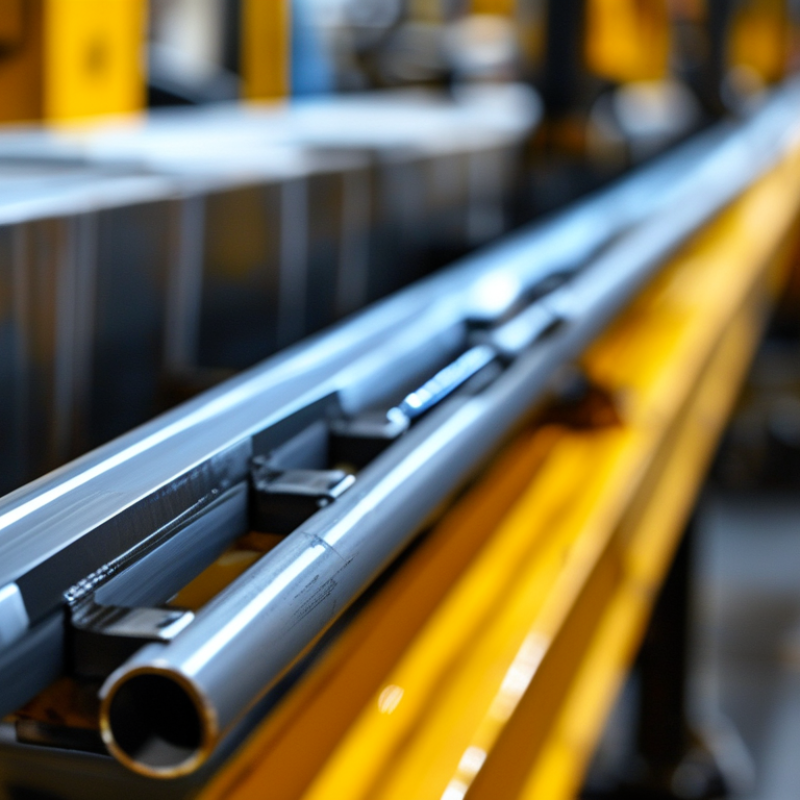
When considering tube straightening machines, efficiency is paramount. These machines play a critical role in producing high-quality straightened tubes. They are essential in various industries, such as automotive and aerospace, where precision is a must. The functionality of these systems lies in their ability to deliver consistent results.

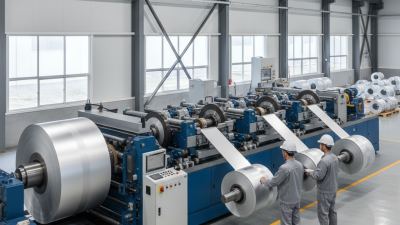
Modern tube straightening machines often include advanced technology. They use rollers or hydraulic systems to shape and align tubes accurately. Some models allow for adjustments based on the material and thickness of the tubes being processed. However, not all machines meet the production demands equally. It’s essential to evaluate performance metrics, such as speed and accuracy, to find the best fit.

While high-efficiency machines are appealing, they can present challenges. Operators must be well-trained to maximize output and minimize errors. Regular maintenance is crucial to ensure continuous productivity. Balancing speed with quality isn’t always straightforward. Companies may need to invest in additional training or equipment to achieve their goals. Understanding these nuances can lead to better decision-making in selecting a tube straightening machine.

2026 Best Tube Straightening Machine for Efficient Production

Model Max Tube Diameter (mm) Straightening Accuracy (mm) Production Speed (m/min) Power Consumption (kW) Weight (kg) Price Range ($)
Model A 50 0.05 30 3.5 500 10,000 - 12,000
Model B 75 0.03 35 4.0 600 12,000 - 15,000
Model C 100 0.02 40 5.5 800 15,000 - 18,000
Model D 150 0.01 50 7.0 1000 20,000 - 25,000

Key Features of Efficient Tube Straightening Machines

When selecting a tube straightening machine, efficiency is key. An efficient machine should have adjustable rollers. This allows operators to customize the machine for different tube sizes. Flexible settings enhance productivity and reduce waste. Easy calibration is also crucial. It should offer precise adjustments without complex processes.

Speed matters. An optimal machine runs quickly without sacrificing accuracy. Look for models that maintain consistent performance under varying loads. Operators should feel comfortable using the machine. Intuitive controls contribute to a smoother working experience. However, some machines lack user-friendly interfaces, making training difficult for staff.

Durability is essential for long-term investment. Machines should withstand regular usage and heavy workloads. Look for solid frames and high-quality materials. Regular maintenance is often overlooked but vital for longevity. Users may face downtime if the machine requires frequent repairs. Reflection on these aspects can lead to better equipment choices and improved production capabilities.

2026 Best Tube Straightening Machines for Efficient Production

This chart presents key specifications of the most efficient tube straightening machines projected for 2026, focusing on critical performance metrics such as speed, capacity, energy consumption, and precision.

Comparison of Top Tube Straightening Machines in 2026

In 2026, the demand for tube straightening machines has surged. Industries are continually seeking efficiency and precision. Therefore, understanding various machines is crucial for any manufacturer. A reliable machine can significantly reduce production time. Cost-effectiveness adds another layer to this discussion.

When comparing tube straightening machines, several factors should be considered. Speed and accuracy are paramount. Some machines excel in handling specific tube materials, while others may struggle. It’s essential to analyze your production needs. User feedback highlights varying reliability and maintenance ease across models. Some users report frequent downtime, indicating possible design flaws.

Additionally, operators need to assess ergonomics and safety features. A well-designed machine can enhance productivity. However, a lack of key features can lead to a challenging user experience. Ultimately, each machine has strengths and weaknesses. Careful evaluation will guide manufacturers to make informed decisions.

Impact of Technology on Tube Straightening Efficiency

Advancements in technology have significantly impacted tube straightening efficiency. Automated systems are now able to straighten tubes with precision, reducing manual labor and error rates. According to industry reports, utilizing automated tube straightening machines can boost production speed by up to 50%. This efficiency is crucial for manufacturers aiming to meet high demands while maintaining quality.

Moreover, integrating data analytics in tube straightening processes allows for real-time monitoring and adjustments. This means any inconsistencies can be detected and rectified immediately. A study shows that companies employing smart technologies have seen a 30% decrease in material wastage. However, these technologies require upfront investment and ongoing maintenance, which may pose challenges for some businesses.

The shift towards more advanced tube straightening machines highlights both opportunities and hurdles. Manufacturers must balance the benefits of higher output and reduced waste with the need for technical training and system upkeep. As the industry evolves, continuous evaluation of these technologies will be essential to maximize efficiency while managing costs effectively.

Maintenance Tips for Optimal Performance of Tube Straighteners

Maintenance is crucial for the optimal performance of tube straighteners. Regular inspections can prevent minor issues from escalating into significant problems. According to a report by the American Society of Mechanical Engineers, about 30% of equipment failures arise from inadequate maintenance. This statistic emphasizes the value of a consistent maintenance routine.

Daily checks are essential. Inspect the alignment and tension of the rollers. Proper alignment reduces wear on components and improves efficiency. Lubrication is another key aspect. Ensure that all moving parts are adequately lubricated to minimize friction. Neglecting this can lead to increased energy consumption, reported to be as high as 15%.

Training staff on maintenance procedures is also vital. Lack of knowledge can lead to mistakes that jeopardize machine performance. A study by the National Institute for Standards and Technology highlighted that 22% of operators were unaware of essential maintenance tasks. Establishing a clear protocol can mitigate this knowledge gap and enhance overall production efficiency.