

Why Use a Cut to Length Machine for Sheet Metal?
A cut to length machine sheet metal line turns continuous coil into flat sheets with specified dimensions. It can help manufacturers prepare material for stamping, fabrication, and other production steps. The process looks simple from a distance. Coil enters, measured lengths are cut, and sheets are stacked. But accuracy depends on more than the blade.
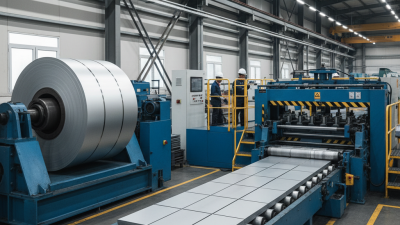
In a well-configured line, a decoiler feeds the strip through leveling rolls and a feed system. A controller measures the target length, then a shear makes each cut. The resulting stack can be easier to move and handle than a coil, especially when downstream equipment needs individual blanks. Consistent lengths may also reduce trimming and material waste. Small gains matter.
Choosing equipment requires attention to the actual work. Sheet thickness, material strength, coil width, required tolerances, production speed, and available floor space all affect the machine design. A line suited to thin aluminum may not perform the same way with thicker steel. Tooling condition and regular setup checks matter, too. In practice, no machine removes every source of variation. Operators still need to inspect edges, verify dimensions, and respond when the material behaves differently than expected.
This guide examines why manufacturers use cut-to-length equipment, how the process works, and which factors deserve careful review before purchase. It also considers trade-offs, including investment, maintenance, and line flexibility. The right choice is not always the fastest one. A realistic assessment of daily production needs is a better starting point.
What Is a Cut-to-Length Machine for Sheet Metal?
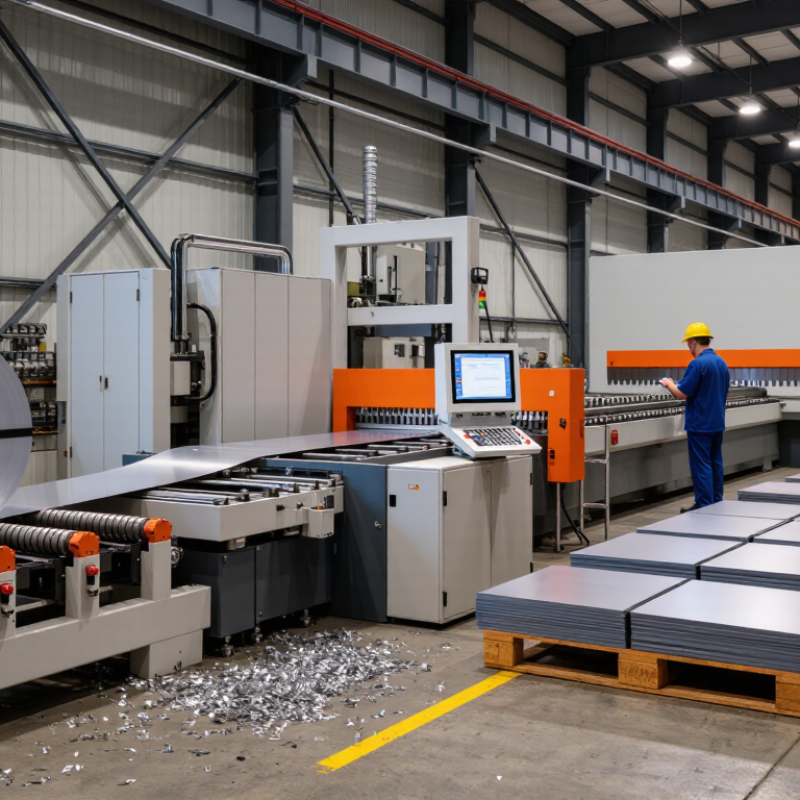
A cut-to-length machine converts coiled sheet metal into flat sheets of specified lengths. A typical line includes an uncoiler, a leveler, feed rolls, a measuring system, and a shear. Some setups also include a stacking table. The coil unwinds, passes through rollers that reduce its curvature, then advances to the cutting station. The shear cuts each sheet to the programmed length. Simple in principle. Not always simple in practice.
Operators set parameters such as material thickness, sheet width, feed speed, and target length. These details matter: a small measuring error can create sheets that do not fit a later fabrication step. Leveling pressure also needs adjustment for the metal’s thickness and properties. Too much or too little can leave visible waves or marks. In a working shop, a test sheet and a careful measurement are sensible checks before a full run. Results depend on machine setup, material condition, and maintenance, so stated tolerances should be confirmed for the specific line. Scrap can still happen. That is worth planning for.
Why Use a Cut to Length Machine for Sheet Metal? - What Is a Cut-to-Length Machine for Sheet Metal?
A cut-to-length line feeds coiled sheet metal, flattens it, and cuts it into specified lengths. The indicative ranges below describe common applications; actual capacity depends on material grade, coil dimensions, line configuration, and required tolerances.
| Dimension | Typical Information | Why It Matters |
|---|---|---|
| Main function | Uncoils, levels, measures, and shears metal strip into flat sheets of a selected length. | Combines several processing steps in one production line. |
| Common materials | Carbon steel, stainless steel, and aluminum; some lines can process coated or pre-painted coil. | Material type affects leveling settings, handling, and cutting requirements. |
| Typical thickness range | Light- to heavy-gauge lines may handle roughly 0.3–25 mm, but not all lines cover this full range. | Thickness and material strength determine the required leveling and shear capacity. |
| Typical strip width | Many production lines are configured for widths from several hundred millimeters to around 2,000 mm or more. | The line must match the coil width and the finished sheet dimensions. |
| Length setting | A programmed measuring system controls the target sheet length within the machine's specified tolerance. | Repeatable lengths simplify downstream fabrication and assembly. |
| Leveling and flatness | Leveling rolls reduce coil set and waviness; achievable flatness depends on the incoming material and machine setup. | Flatter sheets are easier to stack, handle, and process in later operations. |
| Production speed | Line speed varies widely with gauge, sheet length, feeding method, and automation level. | Actual output depends on the full cycle, including feeding, cutting, and stacking. |
| Material utilization | Processing directly from coil can reduce reliance on pre-cut blanks and help control offcuts when lengths are planned efficiently. | Efficient nesting and length planning can reduce scrap and handling costs. |
| Typical applications | Blank preparation for fabrication, construction products, appliance parts, vehicle components, and general metalworking. | Suitable when consistent flat blanks are needed from coil stock. |
| Key selection checks | Confirm material grades, thickness and width range, coil weight, cut-length range, tolerance, floor space, and safety requirements. | Matching the line to actual production needs helps avoid capacity gaps and unnecessary investment. |
Related Posts
-
Why Choose a Cut to Length Machine for Your Business?
-
What Is the Best China Automatic Cut to Length Machine?
-

China Top Cut to Length Machine Manufacturers How to Choose?
-
2026 Best Type of Metal Cut to Length Machine?
-
How to Choose the Right Sheet Coil Cutting Machine for Your Business?
-
Best Mini Rolling Machine in 2026 for Buyers