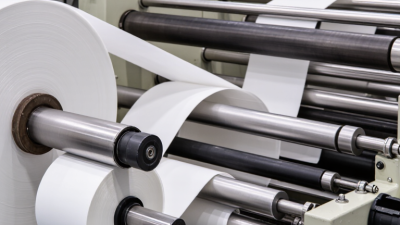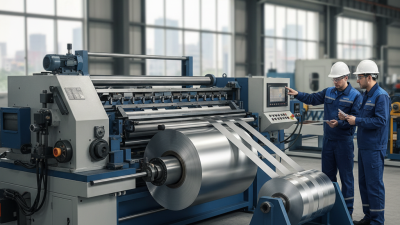

Choosing the right cutting and slitting machine starts with the material, not the machine’s headline speed. Film, foil, paper, and laminates behave differently under tension. A blade that leaves a clean edge in one material may cause dust, burrs, or wrinkles in another. Before comparing models, define your material width, thickness, roll diameter, target slit widths, and daily production volume. Bring real samples, too. A specification sheet cannot show every edge defect.
As a practical guide, this article uses a fictional composite expert, converting engineer Elena Ward, to express one selection principle: “Match the machine to the material and the finished roll—not just the production target.” This is an original illustrative quote, not a statement from a real, independently verified specialist. The advice behind it is practical: compare knife systems, tension control, rewinding method, changeover time, and operator access. Ask suppliers to demonstrate your material at the intended speed. Inspect the edges and finished rolls closely. Small differences matter.
Then weigh the full operating picture. A faster line may not help if setup takes too long or narrow rolls telescope during winding. Consider maintenance access, training, spare parts, and how often product specifications change. Be candid about uncertainty. Your first estimate of future volume may be wrong, and a machine chosen only for today’s order mix can become a constraint. The right cutting and slitting machine should meet current requirements while leaving room for realistic growth—without paying for capacity your process cannot use.
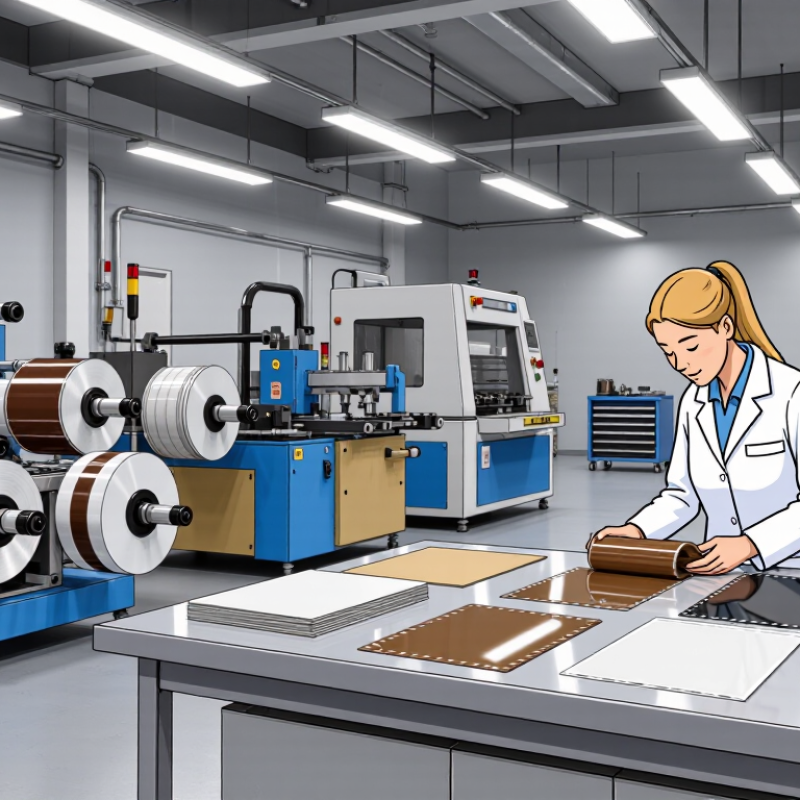
Before choosing a cutting and slitting machine, define the material it must process. Paper, film, foil, and laminated stock behave differently under tension and blade pressure. Record the material’s thickness, width, stiffness, surface coating, and roll diameter. If these details vary between batches, note the full range rather than an average. Small changes can affect edge quality and web stability.
Tips: Bring representative material samples to a machine assessment. Ask for a trial using your usual speed and target slit width. Check for burrs, wrinkles, dust, and uneven winding. A clean cut on one sample is useful, but it may not predict every production run.
Then map the real workload. Estimate daily output, operating hours, changeover frequency, and the number of slit widths required. Set acceptable tolerances and consider how quickly operators need to adjust blades. Keep an eye on waste, too; narrow trim losses can add up across long runs. A specification sheet can look complete while overlooking awkward roll changes or inconsistent incoming stock. I have seen those details complicate otherwise sensible equipment choices. Confirm them before comparing machine capacity, and leave room for future materials only when there is a practical reason.
Identify the material and its thickness range before comparing machine capabilities.
Representative thickness ranges for commonly slit materials. Actual ranges vary by grade and application; confirm the material specification, required slit width, tolerances, and production speed with the machine supplier.
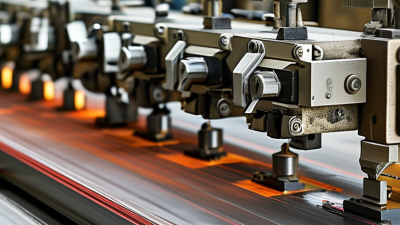
Compare the cutting action before comparing machine prices. Razor slitting uses a sharp blade and suits many thin films at high speeds. Shear slitting uses overlapping rotary knives, often giving better control on thicker or laminated webs. Score slitting presses a circular blade against an anvil; it is simple, but edge quality can suffer if pressure is poorly set. For cross-cutting, rotary or guillotine cutters turn a continuous web into sheets. Different jobs.
Material matters more than a machine’s label. The Flexible Packaging Association’s 2023 State of the U.S. Flexible Packaging Industry estimated U.S. sales at $42.9 billion in 2022. That market includes films, foils, and paper laminates, each behaving differently under a blade. Not always obvious. A tidy specification sheet can still mislead.
Match the machine to web thickness, target width tolerance, roll diameter, and changeover frequency. For delicate film, inspect edge curl and tension stability during a trial. For paper or heavier laminates, check burrs, dust, and knife wear across a full production run. Ask suppliers to test your own material, not just a convenient sample. A small defect can become a long, wasted roll. I would still leave room for operator feedback; setup habits affect results, too.
Choosing a cutting and slitting machine starts with the material, not the largest number on a brochure. Check the widest roll, maximum diameter, core size, and daily run time you actually handle. A line rated for 1,600 mm may struggle if your product is thick, springy, or uneven at the edges. Leave operating margin. On busy shifts, small setup delays add up.
Precision depends on more than advertised tolerance. Ask how the machine controls web tension, aligns the blade, and manages edge trim. For thin film, a slight tension change can cause wrinkles; for stiff board, blade deflection may leave a ragged edge. Request a test using your own material and measure several slit widths across the roll. One sample is not enough. Check repeatability after a tool change, too.
Compare usable speed with quality at speed, rather than peak speed alone. Review adjustment range, knife type, shaft loading, rewind torque, guarding, and space for loading rolls. Confirm which specifications are measured under stated conditions; figures without material thickness or width are hard to trust. Operators should make routine adjustments without guesswork. Still, no data sheet captures every awkward roll. Plan for one, and ask what can be tuned later.
Safety features should match the way operators load rolls, thread material, and change blades. Check that guards block access to moving parts and that interlocks stop the machine when opened. Emergency stops should be easy to reach from normal working positions. Small details matter. Look closely at blade-change procedures, too; a tool that seems safe during a demonstration may feel awkward in a cramped production area. Ask operators to review the setup before choosing.
Automation can reduce repetitive adjustments, but only when it suits the materials and the team’s skills. Tension controls, diameter sensors, and saved job settings may help keep slit widths consistent across a run. Watch a trial using your actual material, not just a supplier’s sample. See how quickly an operator can correct a tracking issue or change a recipe. A highly automated line can still create delays if its controls are confusing. More automation is not always better.
Maintenance needs are easy to underestimate. Check how quickly blades, bearings, and rollers can be inspected or replaced, and whether routine lubrication is straightforward. Ask for a clear service schedule and realistic estimates for common wear parts. Keep space around the machine for cleaning and adjustments; a service panel blocked by stored rolls will not help anyone. A checklist helps, but it cannot predict every awkward reach. Trial runs often reveal those gaps.
A suitable cutting and slitting machine should fit the work you actually run, not an idealized production plan.
List material types, thicknesses, roll widths, daily volume, and changeover frequency. A slitter-rewinder suits continuous rolls and repeat widths; a sheet cutter may better serve varied formats and short batches. Then compare the full cost: tooling, blades, setup time, maintenance, training, and material lost during adjustments. The purchase price is only one line. Measure twice.
Staffing matters, too. Deloitte and The Manufacturing Institute’s 2024 talent study projects 3.8 million manufacturing jobs will be needed in the United States by 2033, with 1.9 million potentially unfilled. That forecast is not a machine-selection formula, but it makes operator workload worth examining.
Clear controls and repeatable settings can reduce reliance on hard-won setup knowledge; advanced automation may be wasteful if the line sits idle. Not always.
Before committing, run your own material through a trial. Check edge quality, width accuracy, tension stability, changeover time, and scrap—not just maximum speed. Ask operators to perform a routine setup, then note where they hesitate. A spreadsheet can miss that.
Compare the trial results with your weekly schedule and maintenance capacity, and keep a modest allowance for future work. I would still question any estimate that assumes every shift runs smoothly.