
What Is a Machine Slitter and How Does It Work?
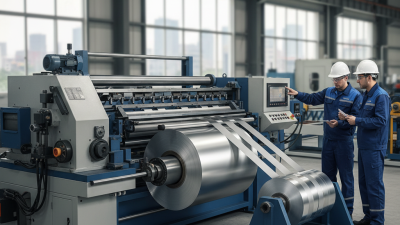
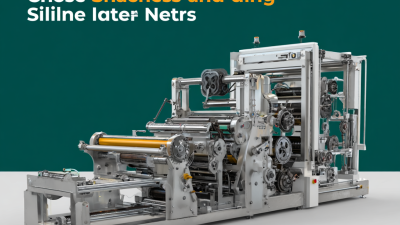
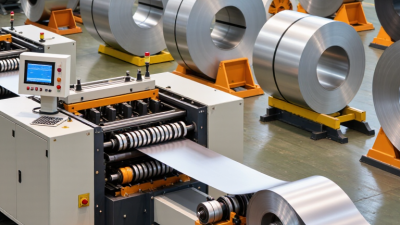
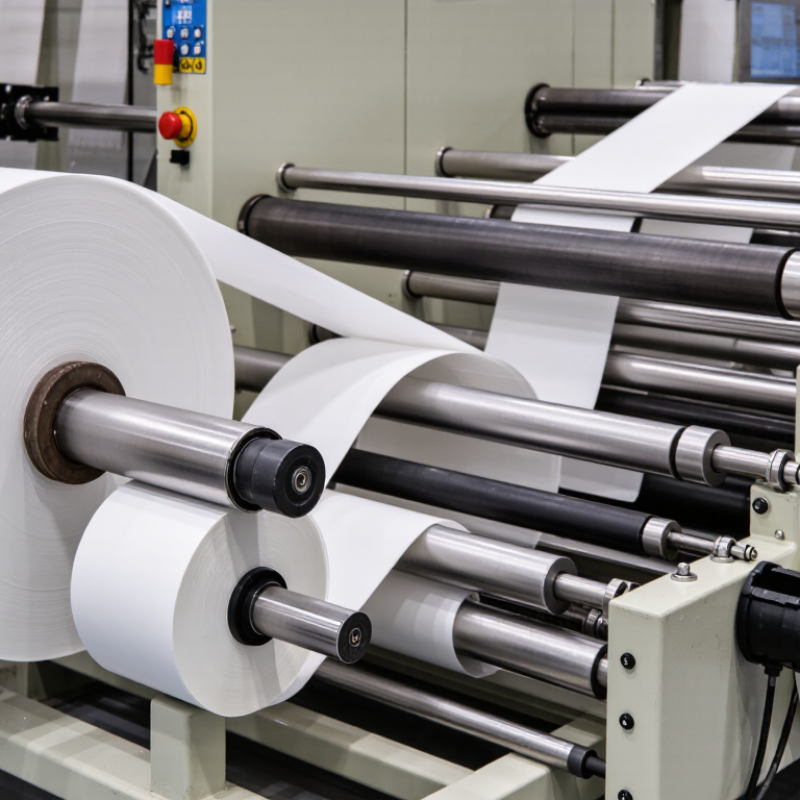
A machine slitter divides wide rolls into narrower webs using circular knives, shear blades, or razor systems. Safe, accurate slitting begins with guarding every knife and nip point. Interlocked covers should stop motion when opened. Lockout procedures remain essential during blade changes and cleaning. The U.S. Bureau of Labor Statistics recorded 5,283 fatal work injuries in 2023, reminding manufacturers that production speed cannot replace disciplined safeguards. Small oversights matter.
Accuracy depends on web tension, knife overlap, shaft alignment, and core positioning. Operators should inspect blade edges, check roller surfaces, and confirm the material path before each run.
A clean web path reduces wrinkles, telescoping, and uneven edges. Use measured samples, not visual guesses, to verify width. Keep records of tension, speed, waste, and blade life.
A recurring shop-floor lesson is simple: settings copied from yesterday may fail today. Material thickness and humidity can change the result.
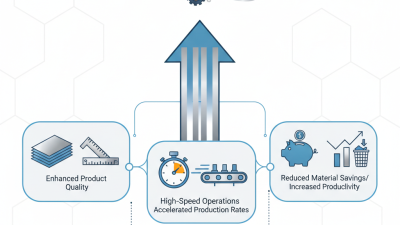
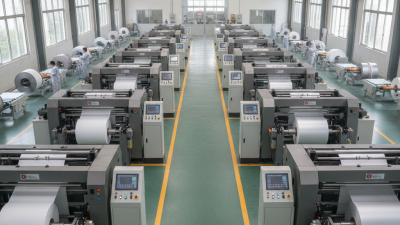
Efficient machines combine repeatable recipes with real operator judgment. Deloitte and MAPI’s 2019 Smart Factory Study found that 86% of manufacturers expected smart manufacturing to strengthen competitiveness within five years. Slitter data can support that goal through alarm history, downtime tracking, and condition-based maintenance.
Yet automation is not automatically efficient. Poorly calibrated sensors can create false stops. Review the numbers, then inspect the roll by hand. That extra check can prevent a costly rewind.