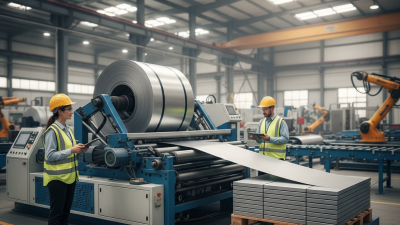

Choosing a sheet metal slitting machine in 2026 is no longer a simple capacity decision. Buyers must match machine design with material, coil weight, strip width, tolerance, and production rhythm.
A line built for thin aluminum may struggle with high-strength steel. A heavy-duty system may waste energy on light-gauge orders. The details matter. Entry-level slitting machines suit smaller processors and changing job sizes. High-speed lines support continuous production. Precision slitting machines target narrow tolerances and cleaner edges. Heavy-gauge systems provide stronger shafts, larger tooling, and greater operating stability.
Shigeo Shingo, a respected manufacturing engineer, warned, “The most dangerous kind of waste is the waste we do not recognize.” His observation applies directly to slitting operations. Hidden waste can appear as excess scrap, slow setup, damaged coils, or repeated edge trimming.
That is easy to overlook.
Modern buyers should also examine automation, knife positioning, tension control, recoiling accuracy, safety guarding, and after-sales support. A machine with impressive speed may deliver poor value if changeovers remain slow. Conversely, a slower line can produce more saleable material when setup errors are reduced.
The best choice is rarely the most powerful machine. It is the system that fits today’s orders and tomorrow’s realistic expansion. That judgment is not always comfortable. Forecasts change. Budgets tighten. Some specifications look perfect on paper but fail beside a real coil, a sharp edge, and a demanding operator.
This guide compares the top sheet metal slitting machine types buyers should evaluate in 2026, with practical attention to productivity, precision, maintenance, and total ownership value.
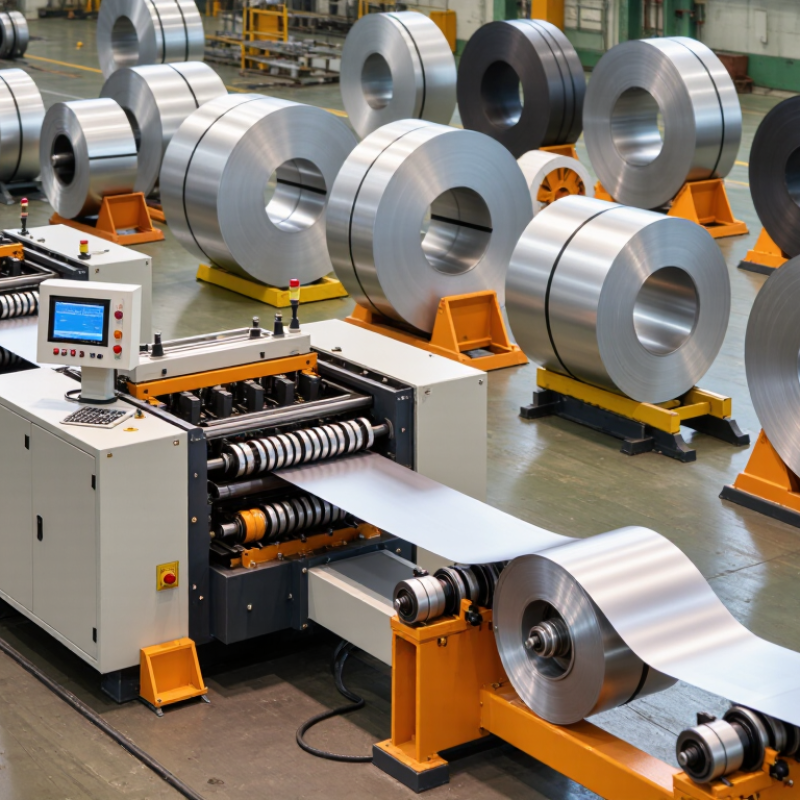
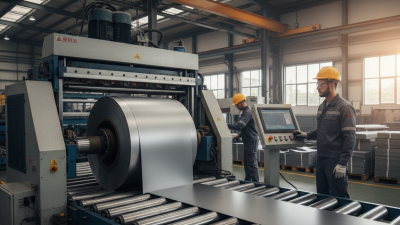
A sheet metal slitting machine cuts wide coils into narrower strips with circular rotary knives. The process is continuous, accurate, and designed for high-volume production. A typical line includes a decoiler, leveling unit, slitter head, scrap winder, and recoiler. The knives shear the coil lengthwise, not across its width. That distinction matters.
The machine handles steel, stainless steel, aluminum, and other coil-fed metals. Buyers usually compare light-gauge, heavy-gauge, precision, and high-speed configurations. Knife clearance, strip width, coil weight, and material hardness determine the suitable type.
World Steel Association data recorded about 1.84 billion tonnes of crude steel production in 2024. This massive output supports continuing demand for efficient coil-processing equipment. However, production volume alone does not justify the fastest machine.
Real operating conditions are less tidy. Oil, burrs, camber, and uneven coil tension can reduce strip quality. I have found that setup discipline often matters as much as rated speed. A 2024 industry report from Research and Markets identifies automation and improved cutting accuracy as major trends in metal cutting machinery. Still, report forecasts are not factory guarantees. Buyers should test their actual material, target widths, thickness range, and acceptable burr height before ordering. Small errors become expensive when thousands of meters are rewound. Safety guarding, emergency stops, knife storage, and documented maintenance procedures also deserve practical inspection, not just checklist approval.
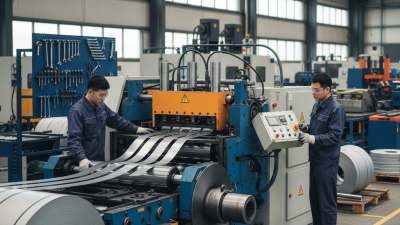
Sheet metal slitting machines convert a wide coil into narrower strips with controlled accuracy. The process begins when an uncoiler releases the steel, aluminum, or other sheet material at a steady speed. Guide rolls center the coil before it reaches the cutting section. A leveler may remove coil memory, reducing unwanted waves and edge distortion.
Inside the slitter, circular knives rotate against the moving sheet. Each knife pair creates a continuous cut along a programmed width. Knife overlap and side clearance must match the material thickness, hardness, and expected edge quality. Too much pressure can mark the surface. Too little pressure may leave torn edges. Razor-style knives suit some thin materials, while heavier-duty rotary systems handle thicker coils. The correct setup depends on actual production conditions.
At the exit, tension devices keep every strip aligned before the recoiler winds it onto separate shafts. Sensors and control software adjust speed, tension, and emergency stops during operation. Operators still inspect the edges, because settings on a screen cannot reveal every burr or hidden coil defect. That sounds simple. It is not. A small alignment error can spread across the entire coil. In practice, setup notes are sometimes incomplete, and even experienced teams must verify knife spacing with measured samples. I still consider trial cuts essential, especially when material batches change.
| Machine Type | How It Works | Suitable Materials | Typical Thickness Range | Typical Production Speed | Main Advantages | Key Limitations | Best-Fit Applications |
|---|---|---|---|---|---|---|---|
| Rotary Shear Slitter | Two circular knives rotate at different positions on opposite sides of the strip. The knives create a continuous cut through controlled blade overlap and clearance. | Carbon steel, stainless steel, aluminum, galvanized steel, pre-painted steel and other coil-fed sheet metals. | Approximately 0.20–6.00 mm, depending on material strength, machine design and knife diameter. | Approximately 60–300 m/min for many coil-processing lines. | Continuous operation, clean cut edges, high productivity and accurate strip-width control. | Requires precise knife setup, correct side clearance and regular sharpening. Incorrect settings can cause burrs or edge wave. | General-purpose coil slitting, service centers, appliance panels, automotive parts and construction sheet. |
| Razor Blade Slitter | Thin razor blades enter the moving strip at fixed positions. The blade separates the material mainly by cutting with low lateral force. | Thin aluminum foil, coated steel, tinplate, stainless steel foil and other light-gauge materials. | Approximately 0.02–0.30 mm, subject to material hardness and blade design. | Approximately 100–600 m/min in high-speed light-gauge applications. | Simple construction, low cutting force, quick width changes and suitability for very thin materials. | Not suitable for thick or high-strength sheet. Blades wear quickly when used on abrasive coatings or hard metals. | Thin-gauge strips, foil processing, electrical materials and coated light metal products. |
| Score or Crush Slitter | Hardened circular scoring wheels press into the strip from opposite sides and fracture or partially cut the material along the score line. | Thin and medium-gauge steel, aluminum, pre-painted sheet and materials where a sheared edge is not essential. | Approximately 0.20–2.00 mm, depending on hardness and coating structure. | Approximately 30–150 m/min. | Fast setup, relatively simple tooling and lower tooling cost than precision rotary shear systems. | The edge may be rougher than a true shear cut and can show deformation, burrs or coating damage. | Non-critical strips, packaging components, roofing accessories and applications with moderate edge-quality requirements. |
| Pull-Through Slitter | The strip is drawn through a set of closely adjusted circular knives. The pulling force maintains material tension while the knives make continuous longitudinal cuts. | Steel, stainless steel, aluminum, brass and other coil-fed strip materials. | Approximately 0.10–3.00 mm in common configurations. | Approximately 30–200 m/min. | Compact layout, consistent strip transport and good suitability for narrow-strip production. | Requires stable tension and accurate alignment. Excessive pulling force can stretch narrow strips or distort edges. | Narrow-strip manufacturing, precision strip processing and compact production lines. |
| Tension Slitting Line | A rotary shear slitter is combined with braking, tension-control and recoiling systems. Controlled tension keeps slit strips aligned during rewinding. | Carbon steel, stainless steel, aluminum, galvanized steel and coated coil stock. | Approximately 0.30–6.00 mm, with heavier-duty lines available for thicker material. | Approximately 60–250 m/min. | Improved coil shape, stable rewind quality, reduced telescoping and better control of narrow strips. | Higher purchase cost, more complex commissioning and greater maintenance requirements. | High-volume service centers and buyers requiring tight coil shape, repeatable widths and reliable downstream feeding. |
| Heavy-Gauge Slitting Line | High-torque entry equipment feeds thick coil through robust rotary shear heads. Hydraulic or powered components maintain cutting force and strip control. | Hot-rolled steel, high-strength steel, stainless steel and thick aluminum plate or sheet coil. | Approximately 3.00–16.00 mm, depending on line capacity, material yield strength and coil weight. | Approximately 10–80 m/min. | High structural rigidity, strong drive capacity and the ability to process thick, high-strength materials. | Higher capital cost, slower production speed and greater floor-space, power and tooling requirements. | Structural steel processing, heavy fabrication, industrial equipment and thick-gauge service-center work. |
| Precision Slitting Line | Precision rotary knives, automatic knife positioning, closed-loop tension control and guided recoiling work together to maintain narrow width and edge tolerances. | Stainless steel, electrical steel, copper, aluminum and high-value coated or thin-gauge strip. | Approximately 0.05–2.00 mm, subject to material and required tolerance. | Approximately 50–300 m/min. | High dimensional repeatability, reduced setup time and consistent slit-coil quality. | Higher investment and stricter requirements for calibration, operator skill, knife condition and material flatness. | Electrical components, precision assemblies, automotive parts and applications with narrow width tolerances. |
| Multi-Slit Slitting Line | Multiple circular knives are arranged across the coil width so one master coil can be divided into several narrower strips in a single pass. | Steel, stainless steel, aluminum, galvanized steel and other coil-fed sheet metals. | Approximately 0.20–6.00 mm in common industrial configurations. | Approximately 40–250 m/min. | High output per pass, flexible strip-width combinations and efficient use of wide master coils. | Setup time increases with the number of knives. Narrow-strip stability and recoiler capacity must be properly matched. | Contract slitting, stock-width production, metal distributors and high-mix coil-processing operations. |
| Cut-to-Length and Slitting Combination Line | The coil is first slit into selected widths and then leveled and cut into predetermined sheet lengths, integrating longitudinal and transverse processing. | Carbon steel, stainless steel, aluminum, galvanized steel and pre-painted sheet. | Approximately 0.30–3.00 mm in many combined lines. | Approximately 20–100 m/min, depending on sheet length and stacking requirements. | Produces both narrow strips and flat sheets, reducing handling steps and improving material-flow efficiency. | More complex controls and tooling; it may be less productive than a dedicated slitting line for only one product type. | Distributors and fabricators that need slit coils plus flat blanks from the same incoming coil stock. |
In 2026, buyers can choose manual, semi-automatic, and fully automatic sheet metal slitting machines. Manual models suit low-volume work and frequent material changes. Semi-automatic lines add powered decoilers, guided knives, and programmable tension control. Fully automatic lines connect decoiling, leveling, slitting, edge trimming, and recoiling in one workflow. They reduce handling, but require better commissioning and operator training.
Machine selection also depends on gauge, coil width, strip tolerance, and target speed. Light-gauge lines often use precision rotary knives and servo-driven tension systems. Heavy-gauge systems need stronger frames, larger shafts, and higher cutting torque. Narrow-strip machines prioritize knife adjustment and recoiler stability. Wide-coil lines need accurate loop control. The World Steel Association reported about 1.89 billion tonnes of crude steel production in 2023, showing why flexible coil-processing capacity remains important. Demand is large, but specifications still get overbuilt.
Tips: Ask for trial slitting with your actual coil grade. Measure burr height, camber, strip width, and coil tightness. Do not trust speed alone. A fast line with unstable tension creates costly scrap. Review the control system, spare-knife access, safety guarding, and maintenance records. A small omission here can become a daily production problem. One practical reflection: buyers often compare machine price first, although tooling accuracy may influence long-term cost more.
Choosing a slitting machine starts with the coil, not the catalog. Global crude steel output reached about 1.88 billion tonnes in 2024, according to World Steel Association’s World Steel in Figures 2025. That volume hides major differences in grade, thickness, width, and surface sensitivity. A narrow-gauge electrical steel line needs tighter tension control than a general-purpose carbon-steel line. Match the machine to the material first.
For frequent, high-volume orders, a high-speed line with automatic knife positioning can reduce setup losses. For mixed orders, a medium-speed precision slitter may deliver better practical output. Faster is not always better. The International Energy Agency’s Energy Efficiency 2024 report stresses that process efficiency depends on operating conditions, not equipment ratings alone. Check coil-change time, scrap rate, strip shape, and rewinding stability. Ask for trial data using your own material.
Thicker coils may require stronger drives, wider tooling clearance, and heavier recoiling capacity. Thin aluminum or coated strip needs gentle tension and carefully finished knives. Buyers should compare edge quality, finished-coil weight, arbor capacity, and operator access. In plant audits, a recurring mistake is specifying maximum speed while ignoring daily order variation. It looks impressive. It can be wrong. Leave room for future gauges, but avoid paying for unused capacity. A documented test protocol, maintenance plan, and measured tolerances make the decision more reliable.
2026 Top Sheet Metal Slitting Machine Types Buyers Need?
Before choosing a slitting machine, define the material range clearly. Check thickness, coil width, yield strength, and maximum coil weight. A machine for thin aluminum may struggle with high-strength steel. That mistake is expensive.
Inspect the knife arrangement and spacer system carefully. Quick-change tooling can reduce setup time, but only when operators can adjust it accurately. Ask for proven slit-width tolerance on your actual material. Test edge quality, burr height, camber, and strip tension at different speeds. Small defects often appear after several coils, not during a short demonstration.
Do not judge the line by speed alone. Review uncoiling stability, recoiling control, braking response, and scrap handling. Safety guarding should allow practical access without encouraging unsafe shortcuts. The control system should record settings and support repeatable jobs. Ask how routine maintenance is performed and which wear parts require regular replacement. Spare parts availability matters more than impressive specifications.
Consider your real operators. A complicated interface may reduce output despite advanced automation. I have seen buyers focus on maximum speed, then struggle with setup waste and unstable tension. That assumption deserves a second look. Request production data from comparable materials, not only laboratory results. Let your team run a sample coil before approval.
Typical material-thickness ranges by slitting machine category
Buyers should match the machine to the material thickness, coil width, coil weight, minimum slit width, speed, edge-quality requirements, and required tolerance. The ranges shown are representative industry-use ranges; actual capacity depends on machine design, tooling, material grade, and production conditions.