
Scroll Top
4801 Bennett Rd. Toledo, Ohio 43612

Why Choose a Re Rolling Machine for Global Steel Buyers?

Global steel buyers are looking beyond purchase price. They need dependable output, stable quality, and machinery that fits local production realities. A re rolling machine can transform billets, blooms, or rejected sections into saleable bars and profiles. It can also reduce dependence on imported finished steel.

Professor Vladimir B. Ginzburg, a recognized authority in rolling technology, wrote, “Rolling is the most widely used metal forming process.” His observation explains the process’s global importance. Yet popularity alone does not guarantee a wise investment. Buyers must examine mill capacity, roll diameter, motor power, pass design, cooling control, and spare-parts access. These details become real costs when a worn bearing stops production in a remote facility.

A suitable re rolling machine should match the buyer’s steel grade, billet size, target products, and operating environment. A compact mill may serve a regional bar producer well. A larger integrated line may suit continuous, high-volume production. The difference is not merely technical. It affects labor, electricity, maintenance time, and delivery reliability.

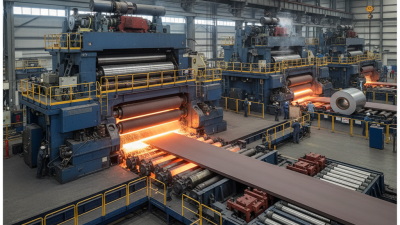
Small details matter. A hot billet enters the first stand. Roll gaps shape it repeatedly. The final bar leaves with measurable dimensions and a controlled surface. That sounds simple. It is not.

Global buyers should also request documented test results, installation records, operator training, and realistic warranty terms. Supplier claims require verification. This is where many evaluations become too optimistic. A re rolling machine can improve competitiveness, but only when engineering decisions reflect actual local conditions, not attractive catalog numbers.
Why Choose a Re Rolling Machine for Global Steel Buyers?

What Is a Re Rolling Machine?

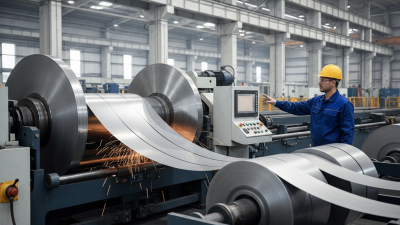
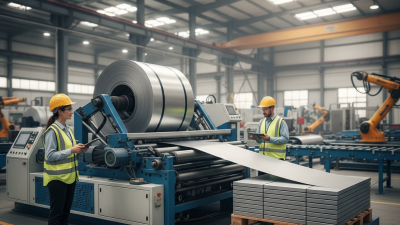
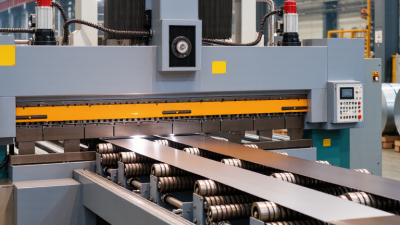
A re rolling machine reshapes heated steel through a series of rotating rolls. It reduces thickness, changes profiles, and produces usable sections such as bars, rods, or flats. The machine usually includes roll stands, guides, a drive system, cooling equipment, and a cutting unit. Each part affects the final product.

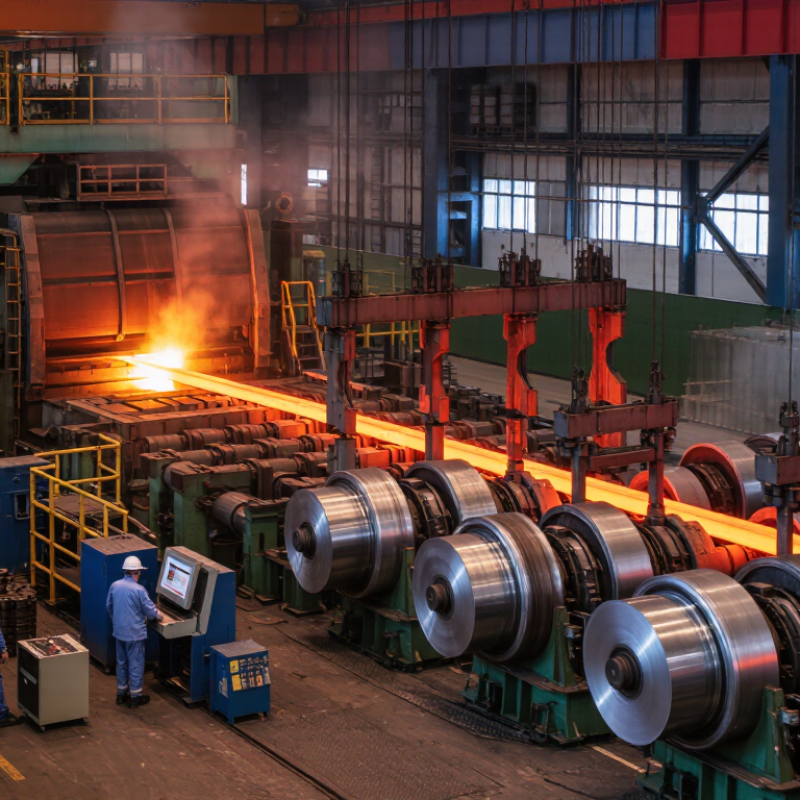
The steel enters the first stand as a billet, bloom, or approved recovered feedstock. Pressure gradually changes its size as it passes between calibrated rolls. Heating improves plasticity and reduces forming force. Temperature control remains important. Steel that is too cold may crack or overload the equipment. Steel that is too hot may develop scale, distortion, or uneven dimensions.

For global steel buyers, machine selection should match the intended product, raw material, output rate, and local power conditions. A practical inspection should check roll alignment, motor capacity, control response, emergency stops, spare parts, and maintenance access. Production figures on paper can look impressive. Not always. Real performance also depends on operator skill, material consistency, and stable heating. Buyers should request test records, dimensional tolerances, energy data, and clear installation requirements before purchasing. Small details matter, especially when technical support is far away.

How Does the Re Rolling Process Work?

Why Choose a Re Rolling Machine for Global Steel Buyers?
How Does the Re Rolling Process Work?

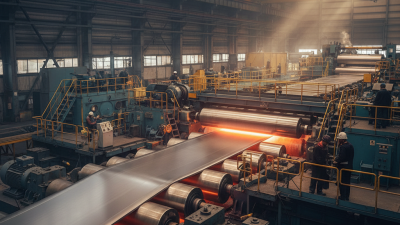
A re rolling machine reshapes steel through controlled pressure, heat, and repeated passes. The process usually begins with billets, blooms, or approved steel sections. Operators inspect the material for cracks, surface damage, and incorrect dimensions. Heat matters. In a reheating furnace, steel reaches a carefully controlled temperature before entering the mill. Uneven heating can create internal stress, so temperature checks are essential.

The hot steel then moves through roughing stands, where large reductions improve its shape. Intermediate and finishing stands gradually produce the required thickness, width, or profile. Roll gaps must be adjusted with precision. Small errors grow. Descaling systems remove oxide layers before they become pressed into the surface. Cooling beds then reduce temperature in a controlled pattern, limiting distortion and residual stress.

After cooling, the product may be straightened, cut, bundled, and tested. Common checks include dimensional measurement, surface inspection, chemical verification, and mechanical testing. Reliable buyers should request heat numbers, inspection records, and production parameters. Standards such as ISO, ASTM, or EN may guide acceptance, depending on the destination market. In practice, not every batch behaves identically. Material chemistry, furnace performance, and operator decisions can affect the result. A technically sound process may still need adjustment after testing. That honest review helps maintain consistent quality across long-distance steel purchasing.

What Advantages Does Re Rolling Offer Global Steel Buyers?

Re rolling offers global steel buyers more control over size, grade, and delivery timing. A mill can convert billets or selected scrap into bars, flats, channels, and other useful sections. This flexibility helps buyers match regional construction standards and project drawings. It also reduces dependence on fixed product ranges. For urgent orders, a responsive re rolling line may shorten the gap between production and shipment.

Cost control is another practical advantage. Buyers can source suitable semi-finished steel and produce the required profile closer to the final market. This may reduce freight volume, storage pressure, and unnecessary processing. Modern mills can monitor furnace temperature, rolling speed, surface condition, and dimensional accuracy. Test certificates, heat numbers, and inspection records make each batch easier to verify. Details matter.

Re rolling can also support more responsible purchasing when material origins and chemistry are clearly documented. Yet it is not a magic solution. Poor billet quality, weak process control, or incomplete testing can create cracks, uneven hardness, and costly rejection. Buyers should review equipment capacity, calibration records, sampling methods, and independent inspection arrangements. A low quotation may hide higher trimming loss or inconsistent dimensions. Careful technical communication remains essential, especially when specifications cross borders.

How to Evaluate Machine Capacity, Quality, and Efficiency

Global steel buyers should evaluate a re-rolling machine beyond its advertised tonnage. Rated capacity is not the same as saleable output. Ask for tested production data, including billet size, rolling speed, product range, changeover time, and monthly uptime. A machine rated at 30 tonnes per hour may deliver less after cooling delays, roll changes, and quality rejects. Small details matter.

Quality should be measured, not promised. Check thickness tolerance, surface finish, straightness, dimensional consistency, and yield loss from trial material. ISO 9001-based procedures can support traceability, calibration, and corrective action, but certificates alone cannot prove stable production. Request inspection records and independent test results. World Steel Association data recorded about 1.88 billion tonnes of crude steel production in 2024, showing the scale of competition and the cost of inconsistent output.

Efficiency deserves equal attention. The International Energy Agency identifies steelmaking as responsible for roughly 8% of global energy-related emissions. Buyers should compare energy consumption per tonne, motor efficiency, reheating losses, water use, and maintenance hours. A lower purchase price can become expensive through electricity waste and frequent downtime. I would not trust a perfect brochure number. Run a witnessed trial with local feedstock and realistic product sizes. That test may expose weaknesses. It may also challenge the buyer’s original assumptions.

What Factors Influence Purchasing and Operating Costs?

For global steel buyers, a re-rolling machine is judged by total cost, not its purchase price. The World Steel Association reported approximately 1.89 billion tonnes of crude steel production in 2023. This scale creates steady demand, but margins remain sensitive to small cost changes. A machine with higher automation may cost more initially. It can reduce labor requirements, production errors, and material losses.

Electricity is often the largest operating concern. The International Energy Agency estimates that iron and steel production causes about 7% of global energy-related emissions. This figure reflects the sector’s heavy energy use. Buyers should compare motor efficiency, furnace design, heating control, and standby consumption. A practical calculation should include electricity tariffs, annual running hours, and local peak-demand charges. A 5% yield loss can quietly outweigh a cheaper machine.

Scrap quality, billet prices, spare parts, cooling-water use, and maintenance also influence operating costs. The World Bank’s Commodity Markets Outlook shows continued volatility across industrial commodities, so fixed cost assumptions can become unreliable. Ask for measurable data: tonnes per hour, expected yield, roll life, changeover time, and maintenance intervals. Transport and installation may add surprising expenses, especially for remote plants. Smaller machines appear affordable. Sometimes they require more manual handling and produce inconsistent output. That trade-off deserves honest review. Buyers should also examine technician availability, training needs, warranty coverage, and financing costs before signing. A detailed five-year total-cost model is useful, although it will never predict every market shock.

Why Choose a Re-Rolling Machine for Global Steel Buyers?

Electricity Cost per Tonne Under Different Throughput and Tariff Conditions

This planning model uses a 150 kW re-rolling line and calculates electricity cost per tonne as: power consumption ÷ throughput × electricity tariff. Higher throughput reduces energy cost per tonne when machine power remains broadly stable. Purchasing costs are mainly influenced by rated capacity, motor power, automation level, roll and tooling requirements, installation, freight, and commissioning. Actual operating costs also depend on steel grade, material yield, labor, maintenance, downtime, and local electricity prices.

Planning assumptions: 150 kW average operating load; electricity tariffs shown are USD 0.08, 0.12, and 0.16 per kWh; values are calculated estimates for comparison and exclude labor, maintenance, consumables, and capital depreciation.