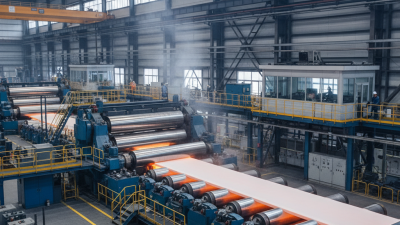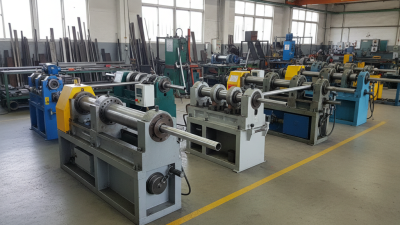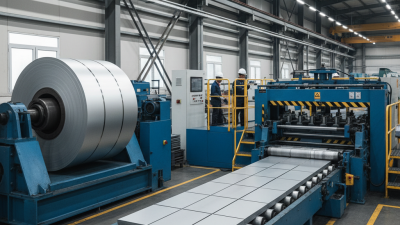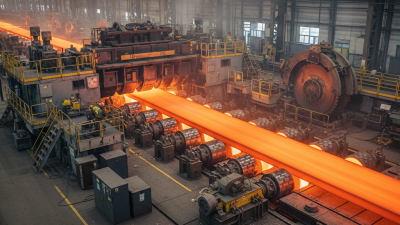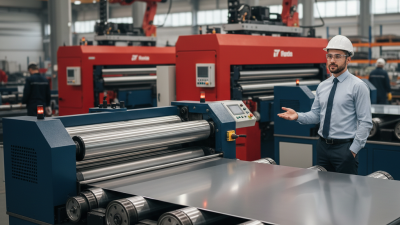

In the competitive landscape of the global metal industry, aluminium rolling mill machinery stands as a pivotal component for manufacturers. These machines play a crucial role in the production of high-quality aluminium sheets and plates. Understanding their features and capabilities can significantly enhance operational efficiency.
Many buyers face challenges when selecting the right machinery. The market offers a myriad of options, each with unique specifications and functions. It’s essential to consider factors like durability, energy efficiency, and ease of maintenance. These elements can directly impact production costs and overall output quality.
Moreover, choosing the right aluminium rolling mill machinery requires insight and careful evaluation. Industry experts often highlight the importance of reliable equipment. Investing in advanced technology can help manufacturers stay ahead of the competition. However, it is equally important to reflect on the need for ongoing support and service. This can ensure that the machinery remains operational and efficient over time, ultimately affecting long-term success.
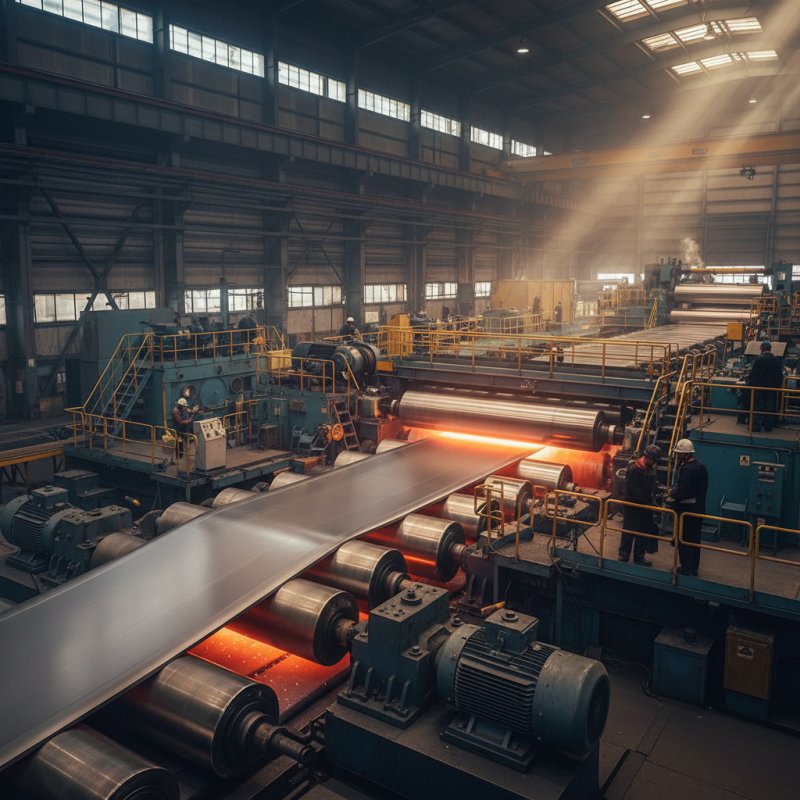
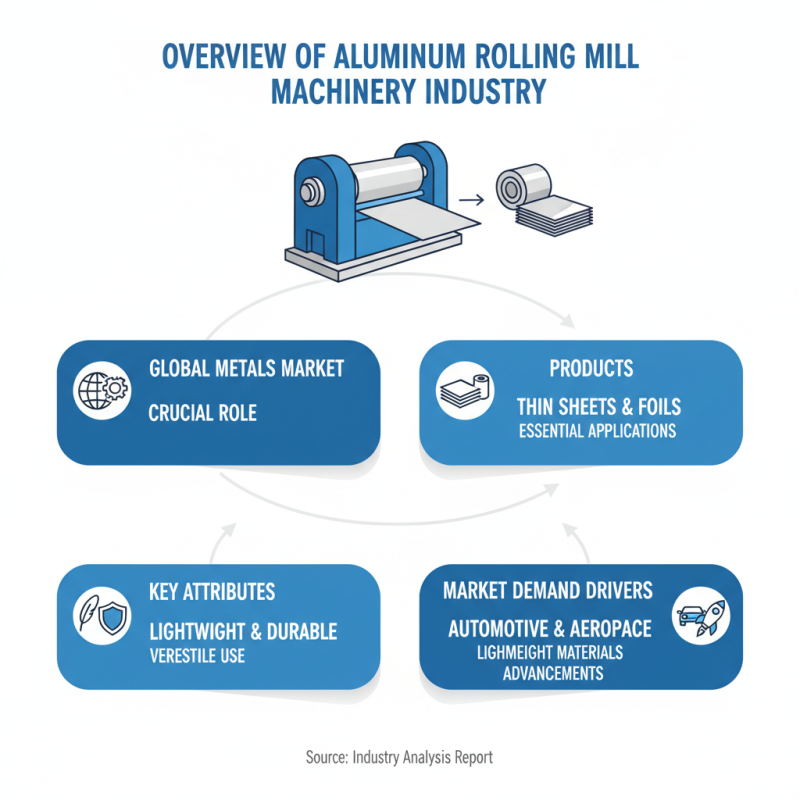
The aluminium rolling mill machinery industry plays a crucial role in the global metals market. This sector focuses on producing thin sheets and foils that are essential for various applications. From transportation to packaging, aluminium products are lightweight and durable. Market demand is driven by advancements in lightweight materials in industries like automotive and aerospace.
Modern rolling mills utilize advanced technologies to enhance efficiency and reduce energy consumption. High-speed rolling processes help in producing uniform thickness. Implementing automation has improved precision, which is vital for meeting stringent industry standards. However, the transition to newer technologies poses challenges. Many manufacturers face issues such as high initial costs and the need for skilled labor to maintain complex machinery.
Environmental considerations are increasingly becoming a priority for milling operations. The industry is now examining ways to minimize waste and energy usage. While strides are being made, there is still room for improvement. Striking a balance between profitability and sustainability is a continuous challenge for stakeholders. As the industry evolves, the incorporation of smart technologies may provide new avenues for growth and innovation.
When selecting aluminium rolling mills, several key features should be prioritized. The machine's capacity is crucial. It defines the volume of aluminium that can be processed. Buyers need to assess their production needs carefully. Choosing underpowered machinery may lead to bottlenecks.
Understanding the technology in use is also vital. Automatic systems enhance efficiency. However, they require skilled operators for setup and maintenance. The simplicity of operation can vary widely among models. Look for user-friendly interfaces that minimize training time. Ensure the maintenance requirements are manageable too. Downtime can be costly.
Tip: Always check the manufacturer's support options and availability of spare parts. This can greatly reduce long-term operational frustrations. Additionally, consider the energy efficiency of the rolling mill. Machines that consume less power can lower operational costs over time.
Evaluate the safety features that come with the equipment. Protection against malfunctions can safeguard workers. Look for designs that facilitate easy access for maintenance and safety inspections. Remember that even advanced machines may have limits and require careful handling. Reflecting on the operational environment is essential for optimal performance.
| Model | Production Capacity (tons/day) | Max Strip Width (mm) | Thickness Range (mm) | Power Consumption (kW) | Key Features |
|---|---|---|---|---|---|
| Model A | 100 | 2000 | 0.2 - 10 | 1500 | High precision |
| Model B | 150 | 2200 | 0.1 - 8 | 1750 | Energy efficient |
| Model C | 120 | 1800 | 0.5 - 9 | 1600 | Automatic control |
| Model D | 110 | 2100 | 0.3 - 7 | 1550 | Low maintenance |
| Model E | 130 | 2300 | 0.2 - 11 | 1650 | Compact design |
When it comes to aluminium rolling mills, manufacturers play a crucial role in the industry. Leading companies strive to offer high-quality machinery that meets global standards. They invest in advanced technologies and materials to improve efficiency. Each manufacturer usually focuses on unique features or strengths. This specialization helps them cater to diverse customer needs.
Some manufacturers emphasize energy efficiency in their machinery. This focus reduces operational costs and environmental impact. Others may highlight their innovation in automation, making the rolling process smoother. Reliability is another key factor. Buyers often seek equipment that minimizes downtime and ensures consistent output. However, not all manufacturers have a perfect track record. Some machinery has faced criticism due to durability issues or high maintenance requirements.
In terms of offerings, manufacturers often provide customization options. This can include specific roll sizes or automation levels. Some companies also offer comprehensive support services. Yet, potential buyers should evaluate these offerings carefully. Not every customization may be beneficial for all operations. Research is vital. Collecting feedback from existing users can reveal important insights. Understanding these aspects aids buyers in making informed choices.
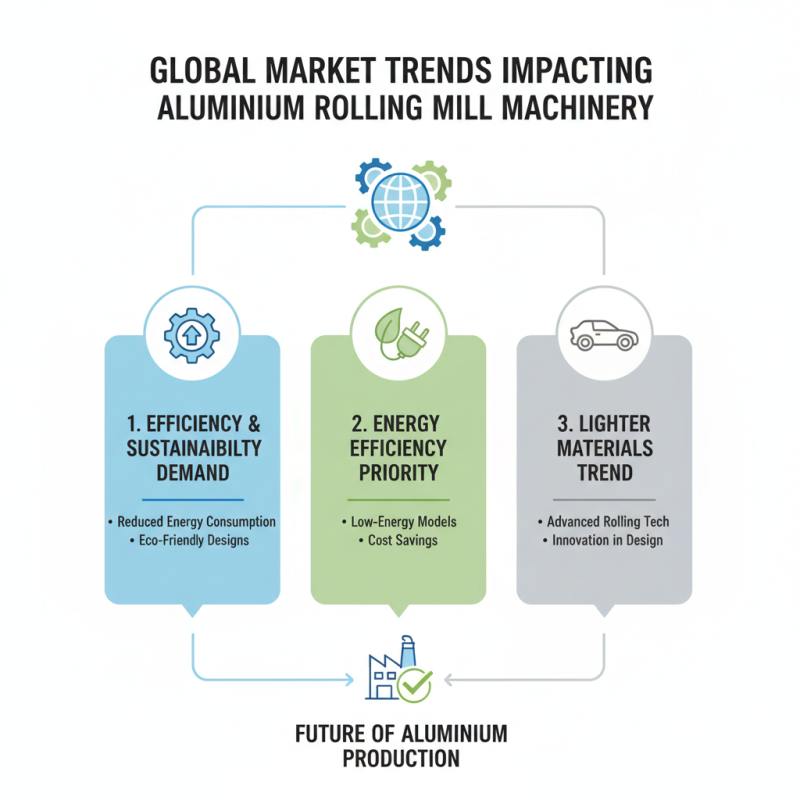
In recent years, global market trends significantly impact the aluminium rolling mill machinery sector. Manufacturers face rising demands for efficiency and sustainability. This push influences machinery design, making energy efficiency a top priority. Companies are focusing on low-energy consumption models. The trend toward lighter materials drives innovations in rolling mill technology.
The industry is also undergoing digital transformation. Smart factories utilize IoT and AI to optimize processes. Real-time data analytics enhance productivity, reduce waste, and lower operational costs. However, the integration of such technologies can be challenging. Many manufacturers struggle with the transition. Investment in staff training is often an overlooked part of this shift.
As environmental regulations tighten, manufacturers must adapt. Compliance requires investment in greener technologies. The need for sustainable practices is growing, yet the cost can deter smaller players. They may find it hard to compete. Economic fluctuations also play a role in market dynamics. Price volatility in raw materials can impact production planning, creating a need for flexibility and strategic foresight.
The aluminium rolling mill industry is experiencing rapid advancements. One major area of innovation is in automation technology. Automated systems enhance efficiency and reduce human error. Recent studies show that integration of Industry 4.0 principles can improve productivity by 20-30%. This shift enables real-time monitoring and predictive maintenance, leading to less downtime.
Another significant trend is the use of advanced materials in equipment design. Equipment made from lightweight, durable composites can offer better performance. Reports indicate that such materials can extend the lifespan of rolling mills by up to 25%. Additionally, energy-efficient technologies are being developed. These technologies can reduce energy consumption by 15-20%, contributing to sustainability efforts.
However, challenges remain in implementing these technologies. High initial costs and the need for skilled labor can hinder adoption. Many companies must navigate these obstacles to stay competitive. The path forward requires careful planning and investment in innovation. Investing in training and resources is crucial for successful integration of new technologies in the aluminium rolling process.
This chart represents the market share of the top 10 aluminium rolling mill machinery based on recent data. Each bar indicates the percentage of the market occupied by each machinery type, highlighting the competitive landscape and trends in the aluminium rolling mill technology industry.