
Scroll Top
4801 Bennett Rd. Toledo, Ohio 43612

Top Cut to Length Machine Manufacturers in China

China’s scale in steel production helps explain why its coil-processing equipment sector deserves close attention. The World Steel Association’s World Steel in Figures 2025 reports that China produced about 1.005 billion tonnes of crude steel in 2024, roughly 53% of global output. The association’s April 2025 Short Range Outlook also forecast global steel demand of 1.75 billion tonnes for 2025. These figures describe the broader market, not cut-to-length machine sales. Still, they show the scale of material that must be processed, leveled, and prepared for downstream use. The scale is striking.

A cut-to-length line turns coiled metal into flat sheets through operations such as decoiling, leveling, measuring, and shearing. Buyers may need to compare working width, thickness range, line speed, cutting accuracy, automation, and service support. A specification sheet rarely tells the whole story. Real performance also depends on setup, material variation, maintenance, and operator skill. That is where manufacturer claims need careful checking.

This guide examines cut to length machine manufacturers in China through practical criteria, including product range, engineering capability, customization, quality controls, and after-sales support. It does not treat company rankings as proof of performance. Published data can establish market context, but it cannot confirm how a machine behaves on a particular production floor. That part deserves a closer look. Manufacturers may use similar terms for different configurations, and buyers should request detailed technical documents and comparable references before making a decision. Even careful research leaves uncertainty; actual needs vary by material, output targets, and plant conditions.
Top Cut to Length Machine Manufacturers in China

What Is a Cut-to-Length Machine?

What Is a Cut-to-Length Machine?

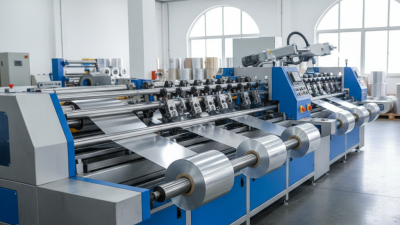
A cut-to-length machine converts coiled metal into flat sheets of specified lengths. It typically unwinds the coil, levels the strip, measures its travel, and cuts it with a shear. The finished sheets are then collected for handling or further processing. Common materials include steel, stainless steel, and aluminum, though suitable thicknesses depend on the machine design.

Each stage affects the final result. A leveling unit reduces coil curvature, while controlled feeding helps maintain consistent sheet length. For example, a small feed error can become noticeable across a long production run. Operators may check sheet edges, surface marks, and dimensions during setup rather than relying only on the machine display. It is easy to underestimate how much coil condition matters.

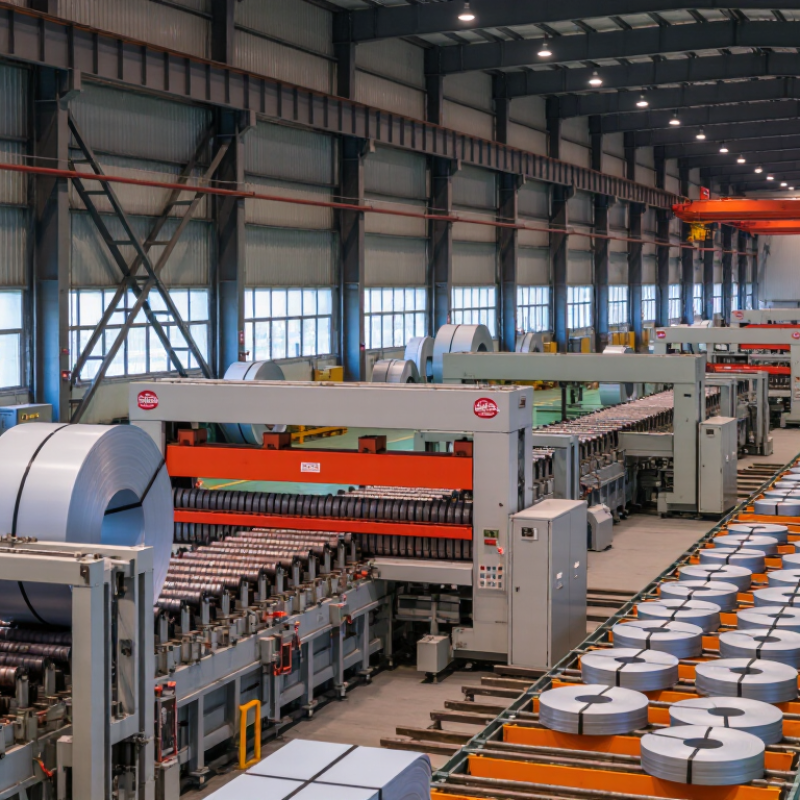
A cut-to-length line may include a decoiler, pinch rolls, a leveler, a measuring system, a shear, and a stacking area. Not every line uses the same arrangement. Buyers should compare material range, thickness, width, target length, production speed, and required tolerance against actual workpieces. A specification sheet is useful, but shop-floor trials can reveal issues it misses. Space for coil loading and safe sheet removal also deserves attention. The initial plan is not always right; feedback from operators can expose awkward handling or frequent adjustments.

Top Cut-to-Length Machine Manufacturers in China — What Is a Cut-to-Length Machine?

A cut-to-length line processes coiled metal into flat sheets. The chart shows the usual material-flow sequence: the coil is loaded and unwound, the strip is leveled, measured and fed, sheared to length, then stacked. The numbers indicate process order, not production capacity or performance.

How Cut-to-Length Lines Work and Where They Are Used

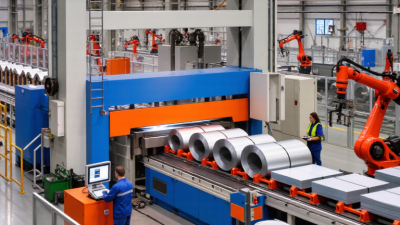
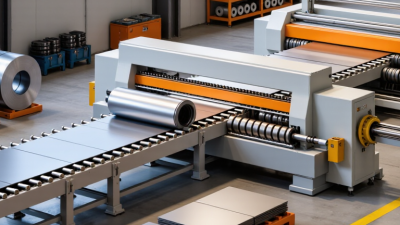
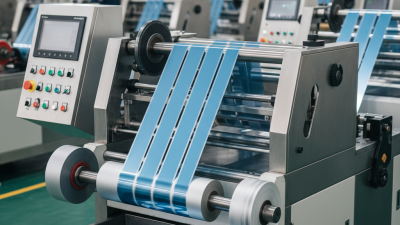
A cut-to-length line turns a wide steel coil into flat sheets of controlled length. The coil sits on a decoiler, then passes through rollers that reduce its curl and flatten the strip. A measuring system tracks the feed distance. When the target length is reached, a shear cuts the sheet, and a conveyor or stacker collects it.

That matters. Accurate leveling and feeding help prevent uneven edges, bowed sheets, and inconsistent dimensions.

Operators adjust line speed, roller pressure, and cutting settings to suit the material’s thickness and strength. In practice, the fastest setting is not always the best one; a small setup change can improve flatness or reduce scrap.

Not every coil behaves alike. Cut-to-length lines serve metal service centers and manufacturers producing appliance panels, vehicle components, building sections, and electrical enclosures. These users need sheets ready for forming, welding, or assembly, with less trimming at the next station.

Regular checks of blade condition and sheet measurements help keep production consistent, though real-world material variation still requires attention.

Criteria for Evaluating Chinese Manufacturers

Evaluating cut-to-length machine manufacturers in China starts with the material, not the brochure. Share your coil width, thickness, yield strength, and target sheet length. Then ask how the proposed line handles those exact conditions. A machine rated for high speed may struggle to hold length accuracy on thin, springy steel. Request trial results, including measured sheet lengths and edge condition. Look closely at the decoiler, leveler, feeder, shear, and stacking system as one connected line. Small gaps between stations can cause scratches or uneven feeding.

Check how the manufacturer documents tolerances, electrical components, safety features, and installation requirements. Ask for a factory acceptance test using material similar to yours. Watch the line run, and inspect several sheets with a calibrated measuring tool. Ask who handles commissioning, operator training, and spare parts after delivery. Specific answers matter. Vague promises do not. A plant visit can reveal workmanship, but it cannot prove long-term reliability. References from comparable installations help, though production conditions still differ. No checklist removes risk; even a successful trial may not expose problems that appear after months of daily operation. Manufacturers should explain what their tests cannot guarantee.

Leading Cut-to-Length Machine Manufacturers in China

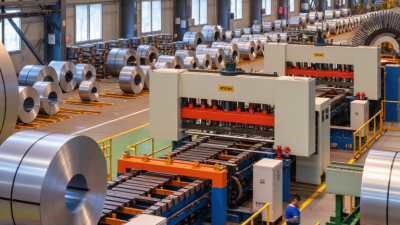
Leading cut-to-length machine manufacturers in China serve steel processors handling coils, sheets, and varied production volumes. Their equipment can include decoilers, leveling units, servo feeders, shears, and stacking systems. Buyers should compare the full line, not just the cutting speed listed in a brochure. A machine rated for fast cycles may still struggle with thin material, changing widths, or demanding length tolerances.

Practical evaluation starts with the material specifications. Ask manufacturers to demonstrate a sample run using your coil thickness, width, and target length. Check cut edges, sheet flatness, feeding consistency, and the time needed for a changeover. Measure twice. Details matter. Review the control interface, guarding, spare-parts availability, and operator training before discussing delivery. Factory acceptance tests can reveal issues that polished product photos cannot. Still, no test perfectly predicts every production condition; actual results depend on setup, maintenance, and material quality. Clear technical drawings and written performance criteria help both sides avoid costly assumptions. A reliable supplier should explain where a machine’s limits begin, not only where its headline figures look impressive.

Top Cut-to-Length Machine Manufacturers in China — Typical Line Capabilities

The table compares common cut-to-length line configurations available from Chinese equipment manufacturers. Values are indicative engineering ranges, not verified specifications for any particular manufacturer; actual limits depend on material grade, coil dimensions, line layout, and selected options.

Line Configuration Typical Material Thickness Typical Coil Width Typical Line Speed Common Materials Typical Applications
Light-Gauge Line 0.3–3.0 mm 600–1,600 mm 20–60 m/min Cold-rolled steel, galvanized steel, pre-painted steel, aluminum Appliance panels, shelving, HVAC components, and general sheet-metal parts
Medium-Gauge Line 0.5–6.0 mm 800–2,000 mm 15–40 m/min Carbon steel, stainless steel, galvanized steel Fabricated components, construction products, and machinery parts
Heavy-Gauge Line 3.0–16 mm 1,200–2,500 mm 5–20 m/min Hot-rolled carbon steel and higher-strength steel grades Structural fabrication, industrial equipment, and heavy construction
Stainless-Steel Line 0.4–6.0 mm 600–2,000 mm 10–40 m/min Common austenitic and ferritic stainless-steel coil grades Kitchen equipment, elevators, tanks, and architectural components
Aluminum Line 0.3–6.0 mm 600–2,000 mm 15–50 m/min Commercial aluminum coil and selected aluminum alloys Building products, transport components, and general fabrication
Precision or High-Speed Line 0.3–3.0 mm 600–1,800 mm 30–80 m/min Thin-gauge carbon steel, coated steel, and aluminum High-volume blanking and repetitive sheet production
Typical Cut-Length Tolerance Often specified around ±0.5–1.0 mm under defined operating conditions Actual tolerance depends on line speed, material properties, measuring method, blade condition, and the length and flatness requirements.
Typical Coil Weight Commonly about 5–30 tonnes, with heavier-duty designs available The appropriate capacity depends on the uncoiler, coil-car arrangement, coil dimensions, and plant handling equipment.

Comparing Manufacturer Capabilities, Services, and Support

Top Cut to Length Machine Manufacturers in China

Comparing Manufacturer Capabilities, Services, and Support

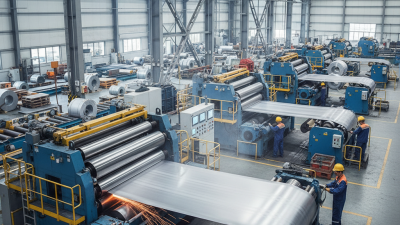
When comparing cut-to-length machine manufacturers, look beyond rated speed. Ask for cutting accuracy across your actual material thickness, line speed under load, and scrap rates from a witnessed trial. A clean sample sheet is useful, but it does not show how the line behaves during a long production shift. Request a factory acceptance test using your steel grade and coil dimensions.

Service capability matters just as much. The Deloitte and MAPI 2023 Smart Manufacturing Survey found that 86% of manufacturers expect smart manufacturing solutions to drive competitiveness within five years. For buyers, that makes controls, diagnostics, and operator training practical evaluation points. Check whether manuals are clear, spare parts are identified, and remote troubleshooting has a defined response process. The International Federation of Robotics reported 4.28 million industrial robots operating worldwide in 2023; automation is expanding, but support still depends on people and processes.

Tips: Ask for a sample service checklist, warranty exclusions, and a realistic spare-parts lead time. Details matter. Compare installation support, commissioning schedules, and training hours—not just the machine price. A supplier may promise fast assistance, yet vague terms leave room for disappointment. I would also ask how software updates are handled; this detail is easy to overlook, and sometimes the answer is less complete than expected.