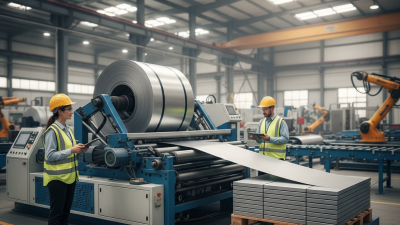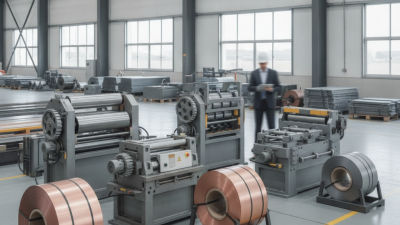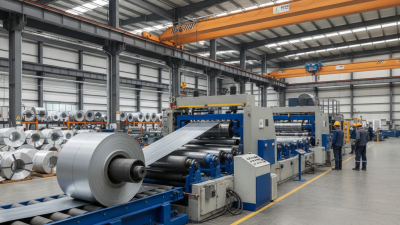

Choosing the right sheet leveling machine can significantly impact your production efficiency. Understanding your specific needs is crucial. A well-selected machine streamlines operations and enhances product quality.
Several factors must be considered. You should assess the thickness and type of sheets you typically handle. Different machines excel in various applications. Hence, knowing what fits your requirements is vital.
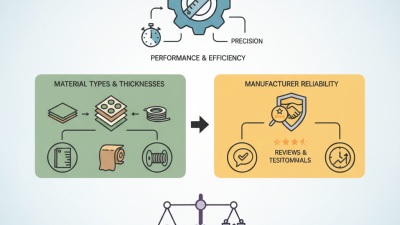
It's easy to get overwhelmed by options. Not every machine is suitable for every user. Evaluate the features, capabilities, and manufacturer reputation. This helps avoid costly mistakes. Investing time in research pays off with better productivity and reliability.
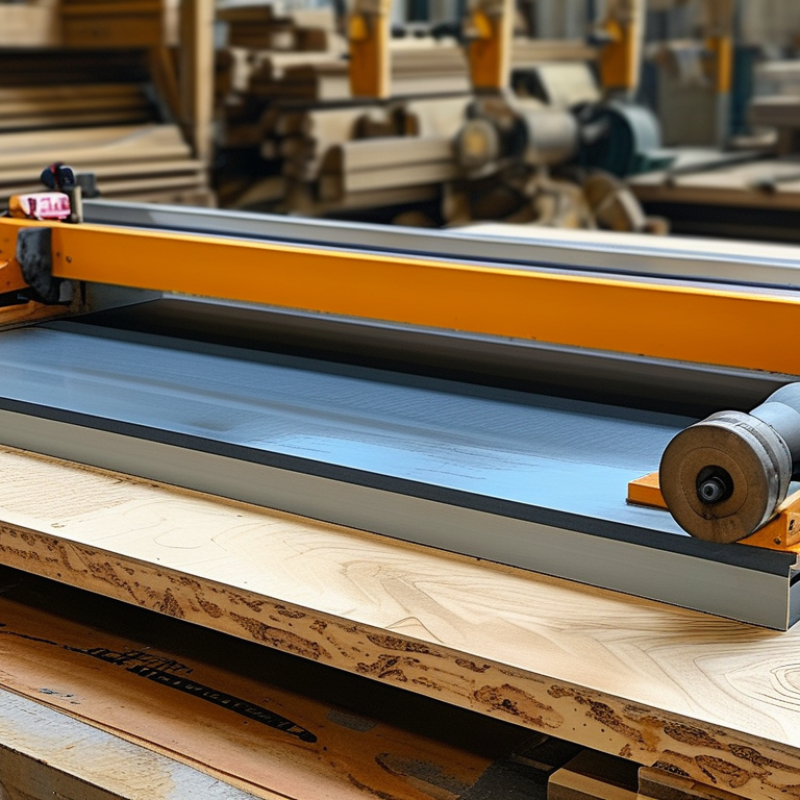
Understanding sheet leveling machines and their types is essential for making informed choices. These machines are designed to eliminate internal stresses in sheets, ensuring precise flatness for various applications. Common types of leveling machines include upright, horizontal, and combined types. Each offers unique advantages based on sheet thickness and material.
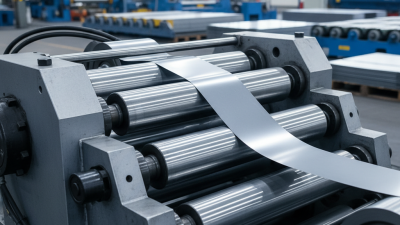
Upright leveling machines are often preferred for thinner sheets. They use a series of rollers set at angles to flatten the material. Horizontal versions excel with thicker sheets, providing greater stability during the leveling process. However, balancing cost and efficiency can be tricky as not all options suit every application.
When selecting a machine, consider your specific needs. How often will you use it? Do you work with various materials? Evaluate the machine's capacity. Look into customer reviews but remember, experiences can vary widely. Sometimes, users find operational challenges or maintenance requirements that aren't clear initially. Adjustments may be necessary after purchase, highlighting the importance of detailed research.
When selecting a sheet leveling machine, understanding key features is crucial for achieving optimal results. One significant aspect to consider is the machine's leveling capacity. The thickness and types of materials you work with will determine whether you require a heavy-duty or lightweight model. Materials like steel may need robust machinery, while lighter materials might only require basic functionality.
Another important factor is the machine's user interface. Operators should feel comfortable and confident using the controls. A complex interface can decrease efficiency and lead to operational mistakes. Look for intuitive designs that enhance usability. Regular maintenance and reliability also play a critical role in long-term investment. Machines that break down often can slow production and increase operational costs.
Lastly, consider safety features. A machine that does not prioritize safety could lead to workplace accidents. Look for machines with automatic shut-off options and emergency stop buttons. While efficiency and durability are essential, they should not come at the cost of operator safety. Assessing these features will help ensure you make the right choice for your leveling needs.
Selecting the ideal sheet leveling machine begins with a clear understanding of your specific needs. Evaluating the material type is crucial. Consider whether you're working with stainless steel, aluminum, or other metals. Different machines offer diverse functionalities suited for various materials.
Tips: Assess the thickness of sheets you regularly handle. This influences the machine's capability. Machines with adjustable rollers can be versatile.
The production volume is another critical factor. Are you focusing on small batches or high-volume outputs? Machines designed for heavy use often come with enhanced durability, while lighter models may suffice for occasional tasks.
Tips: Keep in mind future growth in your operations. Investing in flexibility can save costs down the line.
Lastly, quality and reliability must be prioritized. Look for user reviews and expert insights. Some machines may promise exceptional performance but fail under pressure. It's vital to learn from others' experiences. Remember, investing in the right machine shapes your business efficiency and success.
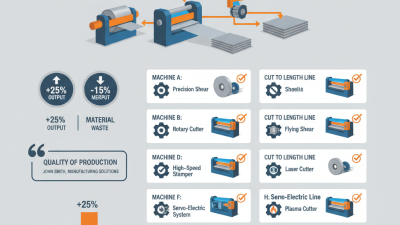
When selecting a sheet leveling machine, it is crucial to compare brands and models for quality and performance. Industry experts highlight that different machines can greatly impact metal processing efficiency. A recent report from the Sheet Metal Industry Association shows that quality machines can improve material flatness by up to 50%. This can enhance further processes like cutting and welding, saving time and reducing waste.
Performance varies significantly among machines. Some models may offer advanced features, such as automatic thickness adjustments. However, these features can lead to higher maintenance costs. According to a technical analysis from the American Welding Society, the average maintenance cost for advanced machines is about 15% higher than for basic models. This data suggests that budget considerations are vital.
Additionally, the reliability of sheet leveling machines often depends on the brand’s reputation. Research from the Manufacturing Technology Association indicates that brands with a long-standing history tend to provide better customer support and parts availability. However, newer brands may offer innovative technology at competitive prices.
Evaluating these factors requires a careful approach. Consider not just the initial purchase price but also the long-term costs associated with performance and reliability.
When selecting a sheet leveling machine, maintenance and support are critical factors to consider. Regular upkeep ensures consistent performance and longevity. According to a recent industry report, 70% of machine failures stem from inadequate maintenance. This highlights the need for a robust support system to mitigate downtime.
For optimal performance, it’s essential to establish a maintenance schedule. Frequent checks prevent minor issues from escalating into major problems. User feedback often reveals that operators underestimate the importance of regular servicing. Ensuring proper lubrication and alignment can significantly enhance machine efficiency. On average, maintenance can reduce operational costs by 15% annually, proving its value.
Support options are equally important. Access to technical expertise can make a difference in operational hiccups. Many manufacturers provide extensive training for operators, enhancing their ability to troubleshoot issues. However, the reality is not all organizations prioritize this training. Many operators struggle with complex machinery due to insufficient experience. Investing in comprehensive support is vital. It empowers users and improves overall productivity.