
Scroll Top
4801 Bennett Rd. Toledo, Ohio 43612

Top 10 Coil Cut to Length Machine Types for Global Buyers?

Global steel production remains a powerful indicator of demand for coil-processing equipment. The World Steel Association’s World Steel in Figures 2024 reports approximately 1.89 billion tonnes of crude steel production in 2023. That volume moves through demanding service centers, appliance plants, construction suppliers, and automotive factories. Each application needs different accuracy, speed, thickness control, and stacking performance.

The right coil cut to length machine is rarely chosen by price alone. A thin-gauge line may prioritize servo feeding, rapid acceleration, and clean flying cuts. Heavy plate processing requires stronger leveling rolls, rigid frames, and higher shear capacity. Stainless steel and electrical steel can demand careful surface protection, tighter flatness control, and specialized tooling. OECD steel market reports also emphasize uncertain demand, excess capacity, and changing regional investment conditions. Buyers therefore need to examine local coil specifications, labor availability, energy costs, after-sales support, and spare-parts access.

This guide compares ten important machine types for global buyers. It considers cut length, strip width, gauge range, line speed, automation, stacking design, and maintenance requirements. Some systems look similar on a supplier’s brochure. They may perform very differently on the factory floor. A practical trial with real coils can reveal more than impressive catalog figures. The ranking is not absolute. A high-speed line may be wasteful for short production runs, while a slower precision line may protect valuable material. Even experienced purchasing teams can overlook installation space and operator training. That mistake is expensive. Trade data helps frame the market, but production evidence should make the final decision.
Top 10 Coil Cut to Length Machine Types for Global Buyers?

How Coil Cut to Length Machines Work and Where They Are Used

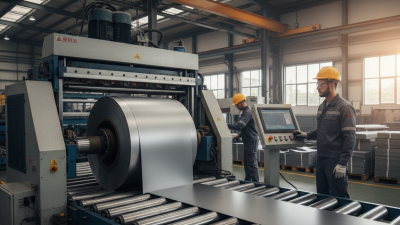
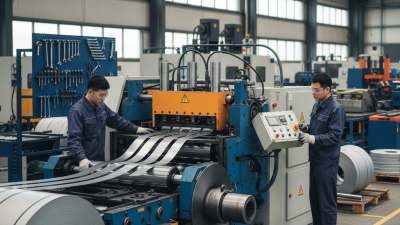
Coil cut to length machines transform continuous metal strip into flat sheets with repeatable dimensions. A decoiler unwinds the coil, while straightening rolls remove memory and shape variation. The strip then passes through measuring rollers and a powered shear. When the target length arrives, the shear cuts without stopping production. Some lines use flying shears, while others stop briefly for heavier gauges. That choice affects speed, accuracy, and maintenance.

In practical installations, operators set thickness, width, length, batch quantity, and stacking pattern through a control panel. Leveling is critical because residual stress can make a sheet curl after cutting. A precision line may include pinch rolls, edge guides, scrap handling, and an automatic stacker. Thin galvanized steel needs gentle handling to prevent scratches. Thick plate demands stronger frames and slower acceleration. I have seen calibration overlooked. Even good equipment drifts when rollers wear or sensors collect dust. This flaw deserves planning.

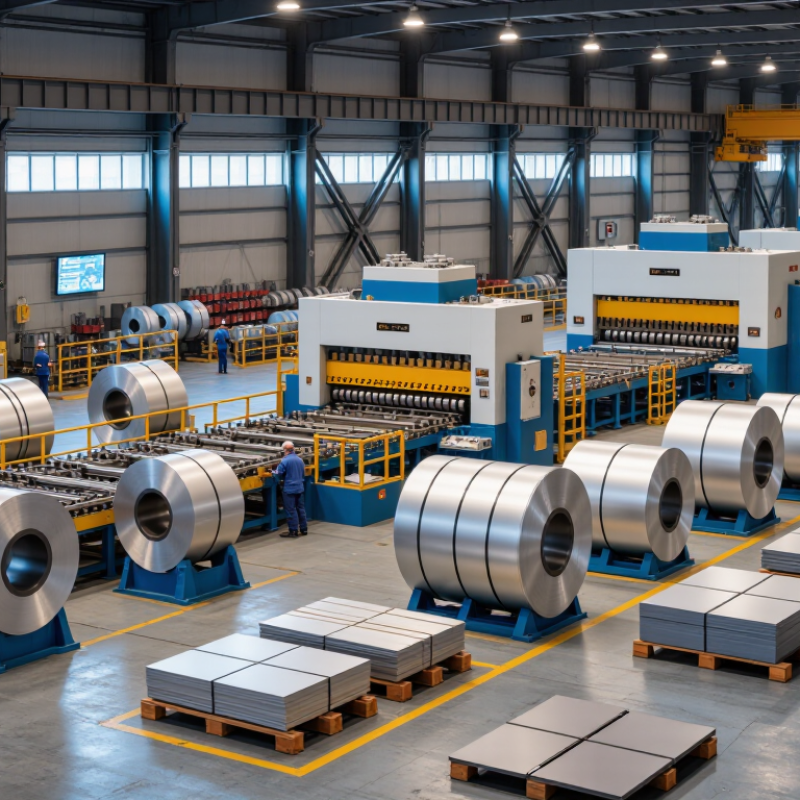
These machines serve construction, appliance, automotive, solar support, HVAC, and general fabrication markets. Service centers often cut customer-sized blanks from carbon steel, stainless steel, or coated coil. A properly matched line reduces manual lifting, nesting waste, and inconsistent dimensions. However, high speed is not always better. Poor stacking can damage edges and slow packing. Material thickness, coil weight, floor space, and safety requirements should guide selection. Actual output can differ from catalog figures. Trial runs reveal more than promises.

The Top 10 Coil Cut to Length Machine Types by Design and Process

Global buyers now assess coil cut to length lines by design, speed, accuracy, and material behavior. World Steel Association reported 1.892 billion tonnes of crude steel production in 2023. That scale keeps efficient coil processing commercially important. In practice, I have found that a line’s shear design often matters more than its advertised speed. Ten common types include conventional stop-start, flying shear, rotary shear, guillotine shear, swing shear, multi-blanking, trapezoidal blanking, oscillating shear, precision sheet-cutting, and fully automatic servo lines. Each suits different thicknesses, widths, tolerances, and downstream handling needs.

Stop-start and guillotine lines offer controlled cutting for medium and heavy-gauge steel. Flying shear systems cut while the strip moves, reducing cycle interruptions. Rotary and oscillating shears support cleaner edges on thinner material. Swing shear designs can handle flexible production schedules. Multi-blanking lines produce several blanks across one coil width. Trapezoidal systems reduce scrap for shaped parts. Servo-driven precision lines improve repeatability for demanding tolerances. Fully automatic designs connect leveling, stacking, and recipe control. However, automation is not always the best answer. A poorly matched sensor or weak leveling unit can reduce real output.

Tips: Compare usable strokes per minute, not only maximum line speed. Check the leveler roll diameter, shear clearance, stacker capacity, and coil range. The International Energy Agency continues to emphasize industrial efficiency, but energy savings depend on actual production patterns. Request trial data using your own coil grade, thickness, and width. Small differences in edge quality can become expensive downstream.

Key Specifications That Distinguish Different Machine Types

Coil cut to length machines differ mainly by cutting method, material range, and production control. Guillotine-shear lines suit standard carbon steel and aluminum sheets, especially when clean, straight edges matter. Rotary-shear systems support faster continuous processing, but their setup may be less forgiving with changing thicknesses. Flying-shear lines cut moving strip without frequent stops, making them useful for high-volume orders.

Key specifications deserve careful comparison. Check the workable thickness range, maximum coil width, coil weight, and line speed. A machine rated for 0.3 to 3 millimeters may not perform consistently near both limits. Leveler roll diameter and quantity affect flatness, especially with high-strength steel. Cutting accuracy also depends on encoder resolution, servo response, and material tension. Automatic stacking, edge guiding, and coil cars can reduce labor, but they increase maintenance demands. More automation is not always better.

Tips: Match the machine to your real material mix, not an ideal future order. Ask for verified tolerance data from similar grades and thicknesses. Inspect sample sheets after leveling, cutting, and stacking. Small edge waves can reveal poor settings. Allow space for safe coil loading and sheet removal. I have seen buyers focus on maximum speed and overlook changeover time. That choice can quietly reduce daily output. Also, published specifications may describe best-case conditions, so independent testing remains wise.

How Global Buyers Can Match Machines to Materials and Output

Top 10 Coil Cut to Length Machine Types for Global Buyers

How Global Buyers Can Match Machines to Materials and Output

Choosing a coil cut to length machine begins with material, not catalogue ranking. Carbon steel may suit a standard guillotine-shear line, while stainless steel needs stronger leveling control. Aluminum requires careful tension management because surface marks appear easily. Thin strip often benefits from a high-speed rotary-shear line. Thick plate needs rigid frames, powerful pinch rolls, and slower acceleration.

Ten practical machine types include light-gauge, medium-gauge, heavy-gauge, high-speed, precision-servo, rotary-shear, guillotine-shear, stretcher-leveling, multi-blanking, and thin-strip lines. Each design serves a different production problem. Rotary shears support continuous output with less stopping. Guillotine systems provide clean, square cuts for heavier material. Stretcher-leveling improves flatness when memory and coil set are difficult.

Output targets must be checked against coil width, thickness, yield strength, sheet length, and tolerance. A line producing 30 blanks per minute may be unsuitable for short batches and frequent size changes. Operators also need to review automation, stacking height, maintenance access, and local electrical standards. Measure twice. I have seen buyers focus on maximum speed, then struggle with unstable stacking and excessive scrap. That choice looked efficient on paper. It was not. Trial runs with the actual coil grade reveal problems that brochures often miss.

Top 10 Coil Cut to Length Machine Types for Global Buyers — How Global Buyers Can Match Machines to Materials and Output

No. Machine Type Best-Matched Materials Typical Thickness Typical Coil Width Typical Line Speed or Output Length Accuracy Main Technical Characteristics Suitable Buyer and Application
1 Standard Medium-Gauge Cut-to-Length Line Carbon steel, galvanized steel, pre-painted steel and stainless steel 0.8–3.0 mm 1,000–2,000 mm 40–80 m/min; approximately 5–12 t/h depending on coil size Typically ±0.5 mm per sheet Entry coil car, uncoiler, leveler, servo roll feeder, flying or stop shear, stacker and automatic length control General metal service centers, roofing-sheet processors and fabricators requiring a flexible production range
2 Heavy-Gauge Cut-to-Length Line Hot-rolled carbon steel, structural steel, high-strength steel and heavy stainless steel 3.0–16.0 mm 1,500–2,500 mm 15–35 m/min; approximately 8–25 t/h Typically ±0.5–1.0 mm per sheet High-torque drive system, reinforced leveler, larger pinch rolls, heavy-duty shear, high-capacity stacker and rigid machine frame Steel service centers, construction plate suppliers, machinery manufacturers and structural-component producers
3 Thin-Gauge High-Speed Cut-to-Length Line Cold-rolled steel, galvanized steel, aluminum and light-gauge stainless steel 0.2–1.5 mm 800–1,600 mm 80–150 m/min; approximately 3–10 t/h Typically ±0.2–0.5 mm per sheet Low-inertia tension control, precision leveler, high-speed servo feeder, flying shear, anti-scratch contact surfaces and automatic counting Appliance panels, HVAC components, lighting products, electrical enclosures and precision sheet processors
4 Stainless Steel Cut-to-Length Line Austenitic, ferritic and martensitic stainless steel 0.4–6.0 mm 1,000–2,000 mm 25–60 m/min; approximately 3–12 t/h Typically ±0.3–0.5 mm per sheet Stainless-compatible rolls, protective film capability, controlled tension, polished material-contact surfaces and burr-reduction shear setup Kitchen equipment, architectural panels, food-processing equipment and corrosion-resistant component production
5 Aluminum and Non-Ferrous Cut-to-Length Line Aluminum, copper, brass and coated non-ferrous strip 0.3–4.0 mm 800–2,000 mm 40–100 m/min; approximately 2–10 t/h Typically ±0.3–0.5 mm per sheet Low-marking rolls, adjustable strip tension, non-ferrous-compatible leveler, scratch protection and precise shear clearance adjustment Automotive trim, heat exchangers, electrical conductors, building products and decorative metal processing
6 Precision Flatness Cut-to-Length Line Cold-rolled steel, stainless steel, aluminum and high-surface-quality coated sheet 0.3–3.0 mm 1,000–2,000 mm 20–60 m/min; approximately 2–8 t/h Typically ±0.2–0.4 mm per sheet Multi-roll precision leveler, closed-loop tension control, programmable shape correction, low-vibration shear and accurate stacking Laser-cutting blanks, precision fabrication, elevator panels, furniture components and visible-surface products
7 Slitting-and-Cut-to-Length Combination Line Carbon steel, galvanized steel, stainless steel and aluminum 0.4–3.0 mm 600–2,000 mm 30–80 m/min; approximately 3–12 t/h Typically ±0.3–0.7 mm per sheet Interchangeable slitting tooling, side trimming, recoiling or sheet-cutting mode, width-change tooling and programmable production recipes Buyers needing both multiple-width narrow coils and flat sheets from one line to improve equipment utilization
8 Multi-Blanking Cut-to-Length Line Steel, stainless steel, aluminum and coated sheet requiring nested or multiple blanks 0.5–3.0 mm 1,000–2,000 mm 30–80 strokes/min; commonly 8–20 blanks per stroke depending on layout Typically ±0.3–0.7 mm per blank Multiple side-by-side blanking, precision positioning, scrap-minimizing layouts, synchronized shear operation and automated separation Automotive parts, appliance components and high-volume manufacturers seeking improved material yield
9 Oscillating Shear Cut-to-Length Line Thin and medium-gauge carbon steel, stainless steel and aluminum 0.4–3.0 mm 1,000–2,000 mm 30–70 m/min; commonly 5–15 t/h Typically ±0.3–0.6 mm per sheet Oscillating shear path, reduced end-trim waste, programmable blank lengths and suitability for varied sheet-size orders Service centers processing short batches, mixed orders and products where material yield is a major cost factor
10 Compact Entry-Level Cut-to-Length Line Light and medium-gauge carbon steel, galvanized steel, aluminum and pre-painted steel 0.3–2.0 mm 600–1,500 mm 20–50 m/min; approximately 1–6 t/h Typically ±0.5–1.0 mm per sheet Small footprint, simplified automation, lower installed power, manual or semi-automatic stacking and fast product changeover Small and medium processors, regional distributors, job shops and buyers with moderate production volumes

Reference note: Thickness, width, speed, output and accuracy are representative industry ranges. Actual performance depends on material grade, yield strength, coil weight, thickness tolerance, sheet length, leveler configuration, shear design, automation level and required surface quality.

International Purchasing Factors: Standards, Automation, and Support

Global buyers compare ten common configurations: straightener-cutter, flying shear, rotary shear, guillotine, servo shear, slitting-cut-to-length, multi-blanking, thin-gauge precision, heavy-gauge, and compact entry lines. The machine type should match material grade, width, thickness, coil weight, and blank tolerance. A flying shear suits continuous production. A guillotine may offer cleaner control at lower speeds. These differences affect waste, floor space, and operator training. Ask for stamped samples, not attractive speed figures.

International purchasing begins with a documented compliance review. Check machine guarding, emergency circuits, electrical drawings, risk assessment, and conformity documents. ISO 12100 and IEC 60204-1 can guide discussions, but local requirements still control installation. Confirm voltage, frequency, language, and inspection duties before signing. “CE-ready” wording alone proves little. Request test records. Also verify steel grades and coating compatibility. A line designed for mild steel may struggle with high-strength coil. That detail is easy to miss.

Automation should be measured by repeatable results, not screen size. Servo feeding, automatic gauge changes, recipe storage, thickness compensation, and scrap monitoring can reduce setup errors. However, excessive automation can complicate maintenance. A simple fault should not stop production for half a day. Review spare-part lead times, remote diagnostics, training hours, and local service coverage. Require acceptance tests using your actual coil range. Field teams often discover that promised tolerance depends on perfect material. That is not a minor issue. Leave adjustment access around the line, even when the layout feels tight. The specification may need revision after trials.