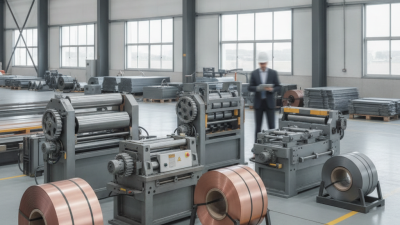

China’s position in global steel processing makes a closer look at its machinery suppliers timely. The World Steel Association reported that China produced about 1.005 billion tonnes of crude steel in 2024. That scale supports strong demand for reliable equipment that converts wide steel coils into accurate blanks and strips.
A coil cutting machine is judged by more than cutting speed. Buyers should examine thickness range, slitting tolerance, line stability, automation, and after-sales support. The China Machine Tool Industry Association regularly highlights automation, digital control, and manufacturing efficiency as major industry directions. These factors matter on the factory floor, where uneven tension can create edge cracks, scrap, or several minutes of unplanned downtime.
This guide introduces ten Chinese manufacturers connected with coil processing and cutting equipment. The comparison considers product capability, engineering experience, export presence, customization, certifications, and service responsiveness. Public company information and industry reports provide the starting point, but supplier claims still require verification. A ranking is useful, but never final. Actual performance depends on material grade, coil width, production volume, and operator skill.
Reports from Grand View Research and other market analysts show continued investment in metal forming and processing automation. However, market forecasts often use different definitions. Some include complete processing lines, while others count individual machines. That difference can distort comparisons. Readers should request sample cut results, reference installations, maintenance records, and clear warranty terms before choosing a supplier. The best manufacturer is not always the largest. Consistent output may matter more.
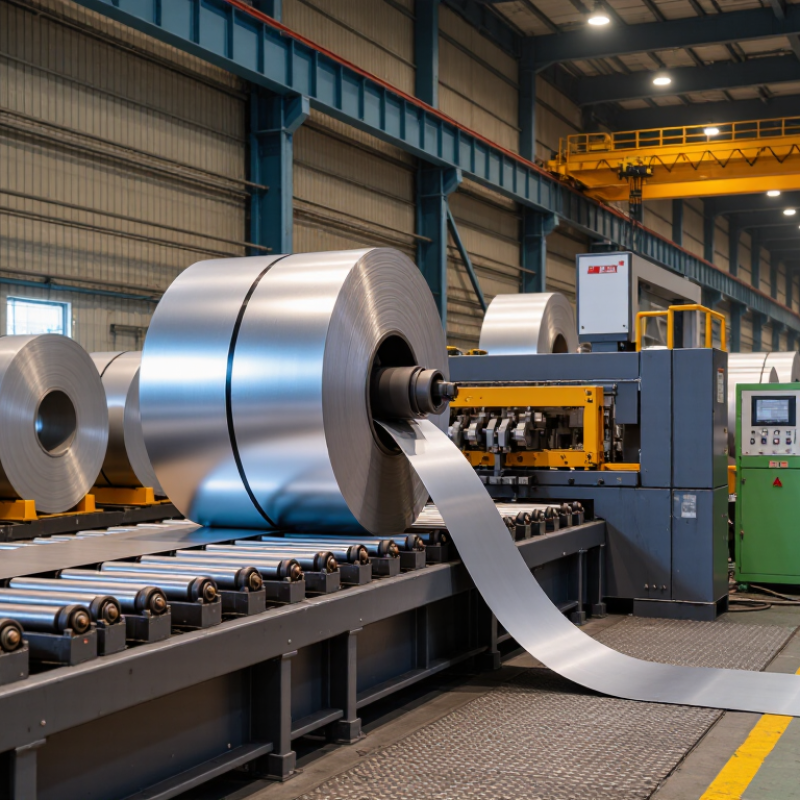
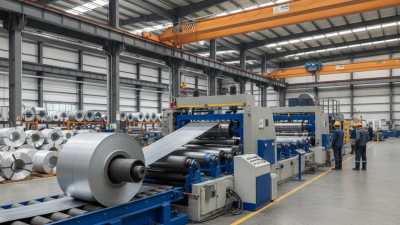
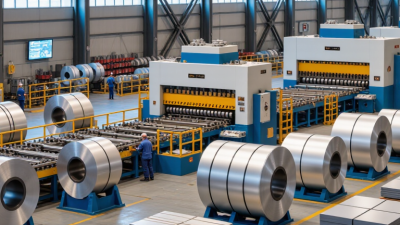
A coil cutting machine converts a large metal coil into accurate sheets or narrower strips. Its main line includes a decoiler, straightener, servo feeder, cutting unit, and stacking system. The decoiler unwinds the coil, while leveling rolls remove surface waves. A programmed shear then cuts each sheet to length. For narrower products, circular knives perform longitudinal slitting.
Material thickness, yield strength, coil weight, and line speed affect cutting accuracy. A small feeding error can create visible length differences across hundreds of sheets. Operators therefore check blade clearance, roll pressure, and edge quality during production. Sensors track movement, while a programmable controller synchronizes feeding and shearing. In practice, dust, temperature changes, and imperfect leveling can still disturb results.
Market demand explains the attention around Chinese manufacturers. World Steel Association data reported about 1.88 billion tonnes of crude steel production globally in 2024, with China producing roughly 1.01 billion tonnes. The International Energy Agency also identifies iron and steel as contributing about 7% of global energy-related emissions. These figures increase pressure for faster lines, lower scrap, and more efficient motors. Yet catalog speed is not everything. A machine rated for 80 meters per minute may perform differently with thin, high-strength steel. Factory trials and measured scrap rates matter more than attractive specifications.
When comparing China’s top coil cutting machine manufacturers, evaluate capability before reputation. A reliable supplier should explain cutting tolerance, compatible coil materials, maximum thickness, and expected line speed. Ask for test-cut samples using your actual steel or aluminum grade. Numbers on a brochure can look impressive. Production results matter more.
Inspect engineering details closely. Check blade adjustment, tension control, servo response, guarding, and dust protection. Request drawings, electrical diagrams, maintenance schedules, and spare-parts lists. A strong manufacturer provides clear technical documents and trained commissioning support. Visit the factory if possible. Observe assembly quality, calibration records, and how operators handle rejected parts. Do not judge only by a clean showroom.
Tips: Compare three written quotations with identical specifications. Ask for customer references in similar industries. Confirm warranty coverage, response times, software language, and remote support. Calculate downtime costs, not only purchase price. A cheaper machine may require more manual adjustment. That risk is easy to underestimate. I would also leave room for honest uncertainty: cutting performance can change with coil hardness, operator skill, and maintenance habits. A practical trial often reveals weaknesses that polished presentations hide.
China’s top 10 coil cutting machine manufacturers differ in engineering focus, factory scale, and after-sales depth. This profile compares them through practical buying criteria, not advertising claims. The strongest candidates usually provide slitting, cut-to-length, recoiling, and custom automation solutions. Their machines may process steel, aluminum, copper, or coated coils, depending on configuration.
Manufacturer 1 emphasizes heavy-gauge steel lines and reinforced frames. Manufacturer 2 focuses on compact equipment for smaller workshops. Manufacturer 3 develops high-speed slitting systems with automatic tension control. Manufacturer 4 supplies cut-to-length lines for roofing and fabrication plants. Manufacturer 5 is known for customized layouts and feeding systems. Manufacturer 6 concentrates on precision leveling and servo-driven cutting. Manufacturer 7 offers integrated inspection and measurement functions. Manufacturer 8 targets export projects with multilingual documentation. Manufacturer 9 builds economical machines for standard coil widths. Manufacturer 10 combines robotic handling with production monitoring.
Machine quality depends on more than cutting speed. During supplier evaluation, inspect welds, bearing seats, control cabinets, and safety guarding. Ask for material samples and measured tolerances. Request maintenance records from comparable installations. A reliable manufacturer should explain blade changes, hydraulic servicing, and spare-part availability clearly. I would also check commissioning support, because installation mistakes can reduce accuracy quickly.
No supplier is perfect. Some impressive brochures hide limited testing data. That deserves attention. Buyers should verify output claims under real material thicknesses, not ideal samples. A factory visit, live trial, and written acceptance standard remain valuable. Small details matter, especially coil centering, edge quality, and stable rewinding tension during long production runs.
The chart summarizes the main machine categories represented across ten leading Chinese coil-cutting manufacturer profiles. The figures show how many profiles publicly describe each capability; they are not market-share or sales figures.
Slitting and cut-to-length systems are the most commonly described product categories, while precision leveling, recoiling, and automated handling are frequently offered as integrated production-line functions.
Comparing the top 10 coil cutting machine manufacturers requires more than checking catalog prices. World Steel Association data shows global crude steel output reached about 1.89 billion tonnes in 2023. That volume supports strong demand for accurate slitting, cut-to-length, and recoiling equipment. However, steel demand alone does not prove machine quality.
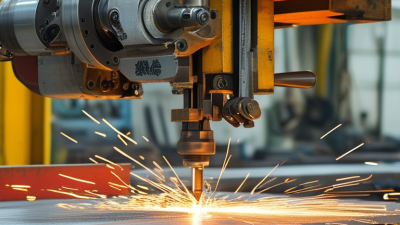
Product comparisons should examine maximum coil weight, strip width, thickness range, line speed, and edge accuracy. Shear lines usually offer stable output for standard gauges. Laser systems provide flexible cutting, but their energy use and maintenance needs can increase operating costs. A serious evaluation should also review automation, tension control, blade-change time, and scrap rates. The ISO 22400 framework encourages manufacturers to measure availability, performance, and quality, not only production speed.
Price needs careful interpretation. A basic cut-to-length line may cost roughly 80,000 to 250,000 US dollars, while heavy automated lines can exceed 1 million dollars. These figures are practical market ranges, not fixed quotations. Installation, tooling, freight, software, and operator training can change the final budget sharply. I would request a five-year cost model from every supplier. It should include electricity, spare blades, calibration, downtime, and response times. Service support is often the weak point. Ask for local technicians, remote diagnostics, spare-part inventory, warranty limits, and documented commissioning records. Some suppliers present impressive speed claims, but real production data may be less convincing.
Choosing among China’s top ten coil cutting machine manufacturers requires more than comparing prices. Start with your strip width, thickness, steel grade, coil weight, and target output. A machine for thin electrical steel needs different tension control than one for thick carbon steel. The World Steel Association reported about 1.88 billion tonnes of crude steel production in 2024. That scale increases demand for stable, high-throughput processing equipment.
Ask each manufacturer for measurable evidence. Request cutting accuracy records, line-speed tests, tension-control details, and references using similar materials. The International Federation of Robotics reported 276,288 industrial robot installations in China during 2023, representing 51% of global installations. This supports checking automation capability, but robot numbers alone prove little. Review electrical documentation, software access, spare-parts availability, and technician response times. An impressive factory tour can still hide weak after-sales support. No checklist is perfect. Material variation may expose your assumptions.
Tips: Send sample coils before signing. Require a witnessed acceptance test. Compare scrap rates, not only rated speed. Check whether critical blades, sensors, and bearings have clear replacement schedules. Confirm quality systems through current audit documents, such as ISO 9001 certification. For exports, verify applicable safety and electrical requirements in your destination market. A lower quotation may become expensive when commissioning, training, and downtime are excluded. Ask for a complete ownership-cost sheet, including installation, tooling, maintenance, energy use, and recommended inventory.
| Rank | Manufacturer Profile | Common Machine Type | Typical Material Thickness | Typical Coil Width | Typical Coil Weight | Slitting Accuracy | Automation Level | Customization Capability | Key Verification Point |
|---|---|---|---|---|---|---|---|---|---|
| 1 | Profile A — Heavy-Gauge Specialist | Heavy-duty coil slitting line | 1.0–6.0 mm | 1,000–2,000 mm | 10–30 tonnes | About ±0.05 mm, subject to material and setup | Automatic tension and recoiling control | High | Request a trial using the buyer’s actual coil grade |
| 2 | Profile B — Stainless Steel Specialist | Precision stainless-steel slitting line | 0.2–3.0 mm | 600–1,600 mm | 5–25 tonnes | About ±0.03 mm, depending on strip condition | PLC-based automatic operation | High | Check burr control, knife materials, and surface protection |
| 3 | Profile C — Carbon Steel Specialist | Carbon-steel coil slitting machine | 0.3–4.0 mm | 800–1,800 mm | 10–25 tonnes | About ±0.05 mm | Semi-automatic to automatic | Medium to high | Confirm line stability at maximum coil weight |
| 4 | Profile D — Thin-Gauge Specialist | Thin-strip precision slitting line | 0.05–1.0 mm | 300–1,500 mm | 3–20 tonnes | About ±0.02–0.05 mm | Automatic tension control | High | Inspect edge quality, strip tracking, and tension response |
| 5 | Profile E — Medium-Duty Generalist | Standard metal coil slitting line | 0.3–2.5 mm | 600–1,600 mm | 5–20 tonnes | About ±0.05–0.10 mm | Semi-automatic | Medium | Compare throughput, blade change time, and maintenance access |
| 6 | Profile F — High-Speed Production Specialist | High-speed automatic slitting line | 0.2–2.0 mm | 800–1,800 mm | 10–30 tonnes | About ±0.05 mm | Fully automatic cycle control | High | Validate rated speed with finished-coil quality data |
| 7 | Profile G — Compact-Line Specialist | Compact narrow-width slitting machine | 0.1–2.0 mm | 300–1,250 mm | 3–15 tonnes | About ±0.05 mm | Manual to semi-automatic | Medium | Check factory footprint, changeover procedure, and operator access |
| 8 | Profile H — Multi-Material Specialist | Multi-material coil processing line | 0.2–3.0 mm | 600–1,600 mm | 5–25 tonnes | About ±0.05–0.10 mm | PLC-controlled | High | Confirm settings for each material grade and hardness |
| 9 | Profile I — Export-Project Specialist | Customized turnkey slitting system | Project-specific | Project-specific | Project-specific | Must be confirmed by acceptance test | Configured to specification | Very high | Review technical drawings, contract standards, and commissioning scope |
| 10 | Profile J — Value-Oriented Standard-Line Supplier | Standard coil slitting machine | 0.3–2.0 mm | 600–1,500 mm | 5–15 tonnes | About ±0.10 mm | Manual to semi-automatic | Low to medium | Prioritize warranty terms, spare parts, and service response time |
Note: The capacity figures above are representative industry ranges for Chinese coil-cutting equipment categories, not verified claims about any named company. Final performance depends on material grade, yield strength, coil dimensions, knife configuration, line speed, and acceptance-test conditions.