
Choosing the right roll straightening machine is crucial for any manufacturing operation. As industry expert John Smith notes, “Selecting the correct machine can significantly impact production quality.” With a plethora of options available, it is essential to understand your specific needs. Each roll straightening machine serves different purposes and varies in design and functionality.
When evaluating machines, consider factors such as material type, size, and required precision. Not all machines excel in every category. Understanding these variables will guide you to a more informed choice. Quality machines often incur higher costs, but investing wisely is key to long-term efficiency.
Be cautious, though. Some features may appear appealing but may not align with your requirements. Gather feedback from trusted sources and evaluate user experiences. This deliberate approach will help you acknowledge both the strengths and weaknesses of each option. Ultimately, understanding the specific role of a roll straightening machine in your operations will lead to better decision-making.
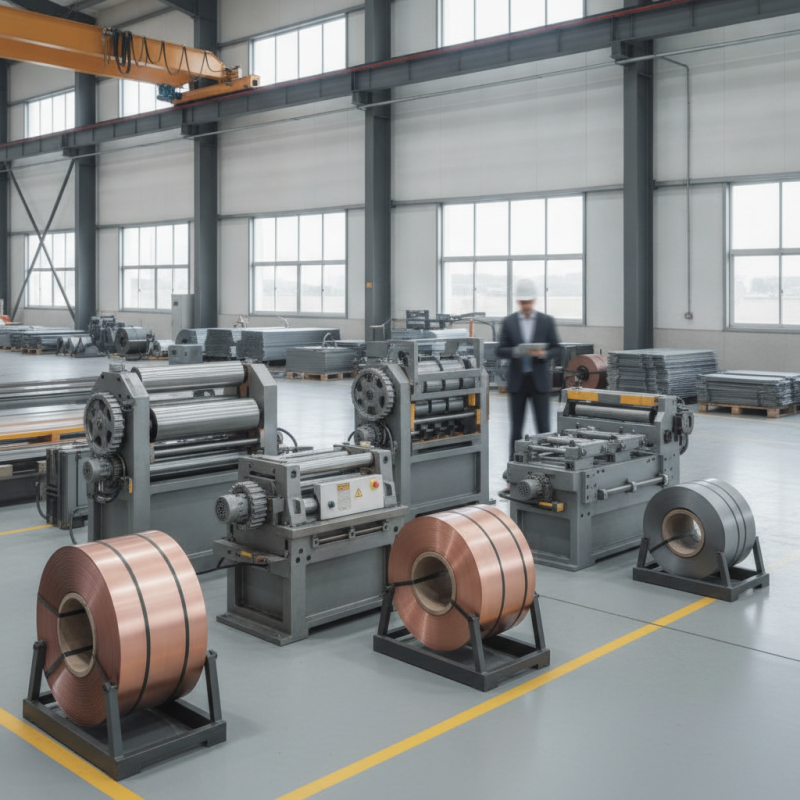
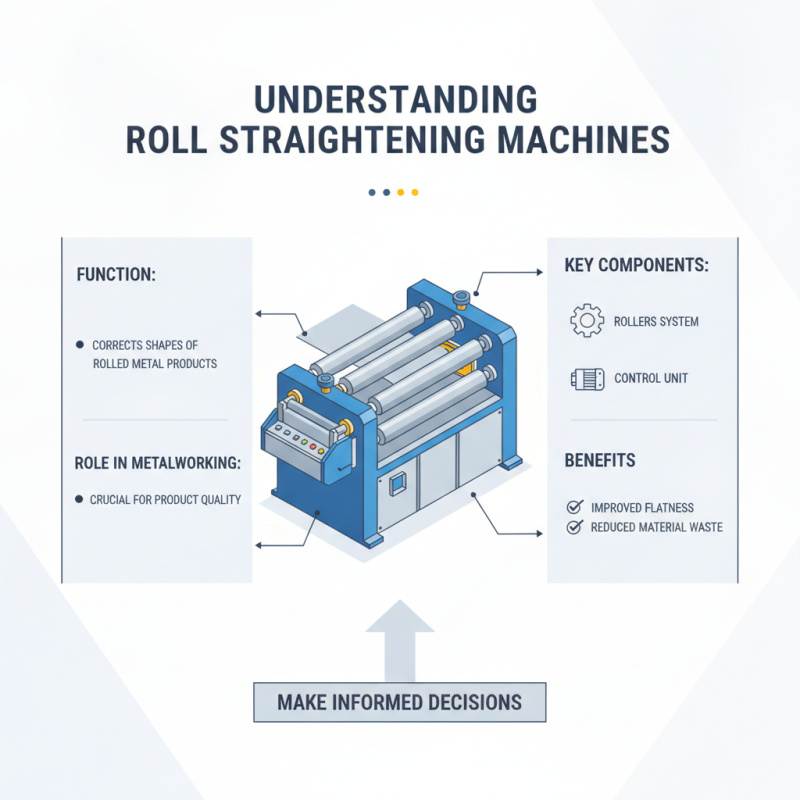
Roll straightening machines play a crucial role in metalworking. They are designed to correct the shapes of rolled products. Understanding their basic components and functions is essential for making an informed decision.
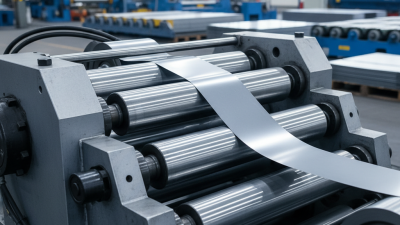
These machines typically consist of several rollers aligned in a specific configuration. The rollers apply pressure to the material, helping to eliminate bends and distortions. Operators must consider the size and type of material they intend to process. Different machines offer unique features, such as adjustable roller spacing and varying pressure levels. Not all machines are the same, so knowing your specific needs is vital.
An often-overlooked aspect is the machine's maintenance requirements. Regular upkeep can prevent costly breakdowns. However, not all facilities have the resources for extensive maintenance. Operators may need to reflect on their capabilities. Selecting a machine that balances performance with maintenance ease is crucial. This consideration can extend the machine's lifespan and enhance productivity.
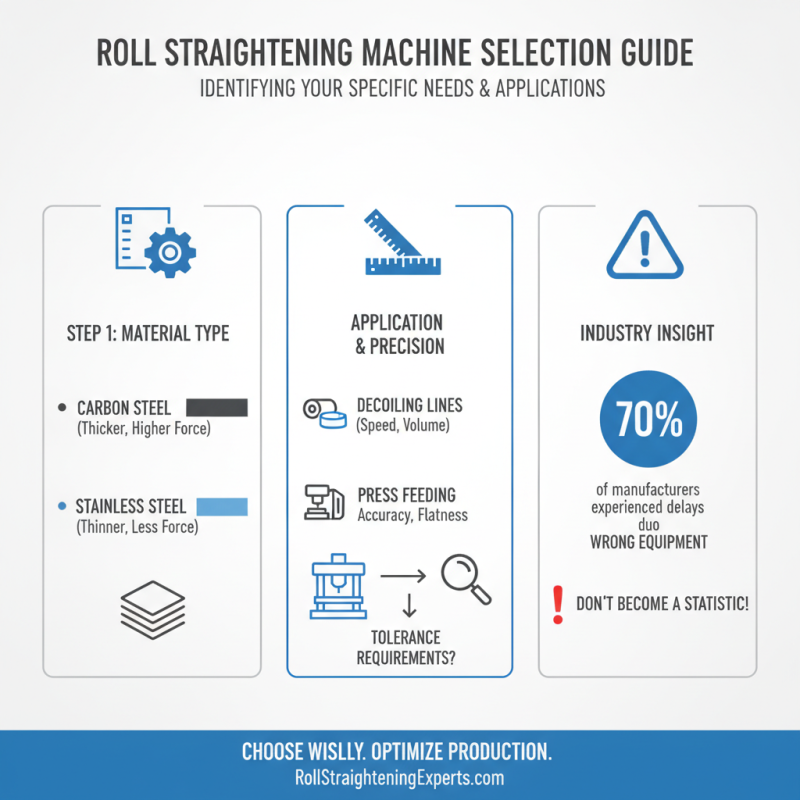
Choosing the right roll straightening machine is crucial for your operations. Identifying specific needs is the first step. The type of material you handle matters significantly. For instance, carbon steel typically requires different settings compared to stainless steel. According to a recent industry report, over 70% of manufacturers who misjudged their equipment needs experienced production delays.
Applications vary widely across industries. In construction, precision is critical. Straightening tolerance can affect product durability. A report noted that incorrect straightening could lead to a 15% increase in defects. Understanding your application's requirements is vital for selecting the right machine. If a machine is too rigid, it may cause material fractures. Conversely, too lenient settings could lead to poor quality.
Considering the size and scale of your production is also key. A small workshop may not require industrial-grade machines. Reports show that smaller operations can achieve efficiency with compact models while maintaining quality standards. Evaluating your production volume and material variety can guide your choice effectively. Planning for future growth is also advisable; flexibility is a valuable trait in equipment.
When selecting a roll straightening machine, it's crucial to evaluate key features that align with your production needs. The type of material you will be processing plays a significant role in your selection. Different machines cater to various materials, such as steel, aluminum, or specialized alloys. Ensure the machine can handle your specific thickness and width requirements to avoid future complications.
Consider the machine's capacity and speed. Higher capacity machines can process larger volumes efficiently. However, speed should not compromise the precision of straightening. An ideal machine provides a balance between throughput and accuracy. Look for models that offer adjustable speeds. This can enhance the versatility of the machine in your operations.
Another aspect to ponder is the maintenance and servicing of the machine. Some models may initially seem cost-effective but could require frequent repairs. Evaluate the availability of parts and service support in your region. This consideration could save you time and money over the machine's lifespan. You may find that a slightly more expensive option could lead to lower operational costs in the long run. Reflect on these elements to ensure you are making the right choice for your operations.
Choosing the right roll straightening machine is essential for productivity. Several brands and models are available, each with unique features. It helps to understand the specific needs of your operations to make an informed decision.
Consider the material types you frequently handle. Different machines cater to various materials, affecting the efficiency of the straightening process. Look into the machine's capability to manage different thicknesses. Features such as adjustable rolls and speed controls can greatly impact performance.
When comparing models, focus on customer reviews and expert assessments. Gathering insights from users can provide clarity on reliability. Be mindful of your budget without compromising quality. Sometimes, a less expensive model may not meet your long-term needs.
Tips: Regular maintenance is crucial for machine longevity. Pay attention to details like vibration levels and overheating signs. Proper training for operators can also enhance safety and productivity. Evaluating energy consumption is another aspect worth considering for sustainable operations.
When selecting a roll straightening machine, budget and maintenance requirements are crucial. Industry data suggests that about 40% of machine failures stem from inadequate maintenance. Therefore, evaluating your short-term and long-term budgets effectively is essential. A machine with a lower upfront cost may lead to higher maintenance expenses over time.
Tips:
- Research maintenance schedules and costs before purchasing.
- Consider purchasing machines with accessible parts to reduce repair times.
Operational efficiency is vital in today’s manufacturing climate. According to a report from the Manufacturing Institute, companies lose nearly 5% of their revenue due to equipment downtime. Machines that require frequent maintenance can hinder productivity. Understanding the total cost of ownership, including maintenance and spare part availability, will provide a clearer picture of your investment.
Tips:
- Ask for maintenance history reports.
- Ensure that the manufacturer offers robust support and documentation.
In addition, consider the skill level of your workforce. A complex machine might necessitate retraining or hiring specialized personnel, adding to costs. The decision should engage various stakeholders from finance to operations. Using a collaborative approach will better reflect the nuanced needs of your business.
| Machine Type | Budget Range ($) | Maintenance Frequency | Production Capacity (tons/day) | Ideal Application |
|---|---|---|---|---|
| Hydraulic Straightening Machine | 10,000 - 20,000 | Monthly | 5 - 10 | Heavy Metal Fabrication |
| Mechanical Straightening Machine | 8,000 - 15,000 | Quarterly | 3 - 8 | General Sheet Metal |
| Pneumatic Straightening Machine | 15,000 - 25,000 | Bi-annual | 10 - 20 | Precision Engineering |
| Automated Straightening Machine | 20,000 - 50,000 | Annual | 15 - 30 | High-Volume Production |