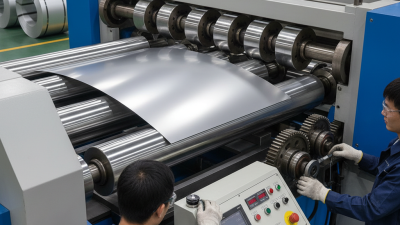

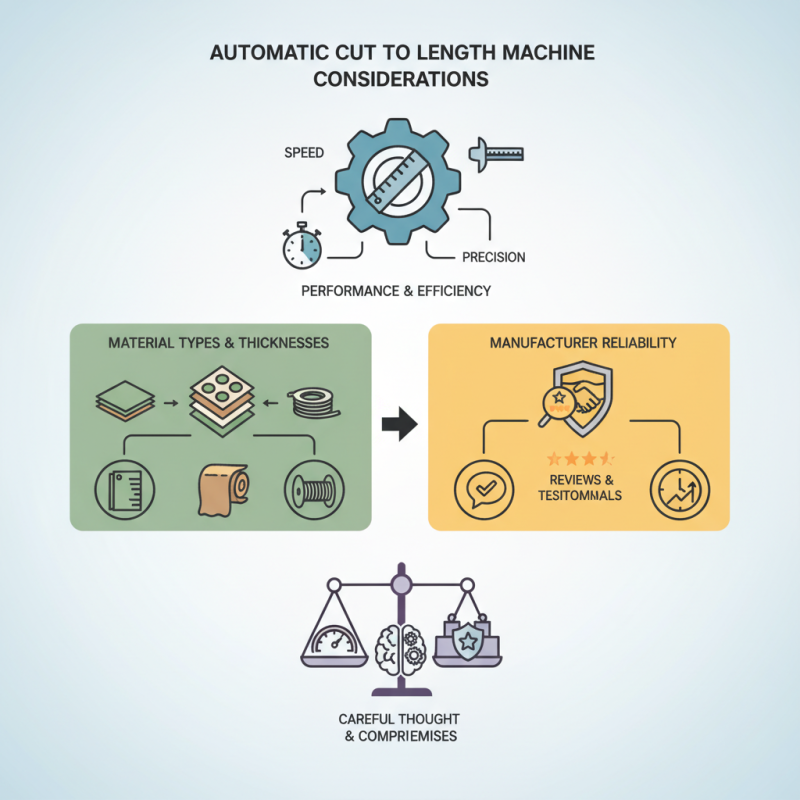
When considering an investment in an automatic cut to length machine, it's essential to understand key factors that can impact performance and efficiency. Industry expert John Anderson emphasizes, "The right machine is not just about speed; it's about precision and adaptability." His insights underline the complexity of choosing the right equipment.
Automatic cut to length machines vary greatly in specifications, capabilities, and technologies. Each machine has unique features that cater to different production needs. Evaluating your specific requirements is crucial. For instance, consider the material types and thicknesses you will work with. This decision will directly influence machine performance and material waste.
Additionally, it's vital to assess the reliability of the manufacturers. Not all machines perform equally over time. Seek out reviews and testimonials from existing users to understand the long-term value. Investing time in research can save significant costs in the future. Balancing speed, flexibility, and quality often requires careful thought and sometimes, compromises.
When choosing an automatic cut to length machine, there are several key features to evaluate. The precision of the cutting mechanism is crucial. Machines should provide consistent, accurate lengths to minimize waste. Look for models with advanced sensors that ensure reliable measurements. These features contribute to better product quality.
Speed is another important factor. A faster machine can increase productivity, yet it should not sacrifice quality. Balance is essential. Inspect the machine's ability to handle different materials. Some may struggle with thicker or denser options, leading to inefficiencies. A versatile machine may perform better in varied settings.
Ease of use and maintenance are often overlooked. Complex interfaces can slow down your operation. A user-friendly system saves time and reduces errors. Consider the availability of spare parts and technical support. This can impact your long-term investment. Reflect on your specific production needs. Every setting is unique, and the best option should align with your goals.
When considering an automatic cut to length machine, assessing material compatibility is crucial. The type of material you intend to cut directly influences the machine's performance. Different materials, such as metals, plastics, or textiles, have varying hardness, thickness, and elasticity. A machine that works well with one material may struggle or fail with another. It's essential to evaluate these properties before making a decision.
Understanding the specific requirements of your production process is key. For instance, a machine designed for lightweight materials may lack the power needed for heavier, denser substances. You must think about the impact of cutting speed as well. Faster speeds may reduce precision, especially with more complex materials. This trade-off requires careful consideration of your production goals and quality standards.
Compatibility testing can help identify potential issues. Conducting a few test cuts on sample materials can reveal a lot. Some materials may slip or jam during the cutting process. These issues could lead to increased waste and downtime. Gathering data on past experiences with similar machines can also inform your choice. But remember, no single machine is perfect for every application. Each option presents unique challenges that require reflection and adjustment.
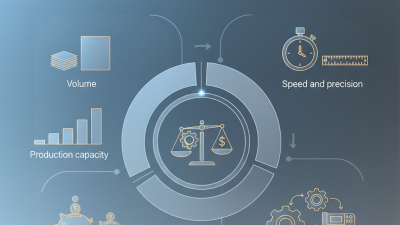
When considering an automatic cut to length machine, understanding production volume and speed is crucial. Different industries demand various production rates. A high-speed machine may significantly reduce production time. But if your volume is low, such equipment might be unnecessary. Assess your operational needs carefully before making a decision.
Moreover, evaluating potential output is essential. Calculate how many materials you will process in a given time frame. If your demand fluctuates, you may want a flexible machine. Machines that can adjust speed can adapt to changes. This feature prevents waste and increases efficiency. However, relying too heavily on speed can lead to errors. You may need to find a balance between speed and precision.
Additionally, consider the long-term impact of your choice. Investing in a high-speed machine may initially seem beneficial. However, maintenance costs and downtime can affect productivity. Make sure to weigh these factors against your business goals. It is important to recognize that not every situation requires the fastest solution. Thoughtful consideration will lead to a wiser investment.
| Dimension | Value |
|---|---|
| Production Volume (units/day) | 500 - 1500 |
| Cutting Speed (meters/minute) | 20 - 50 |
| Material Type | Aluminum, Steel, Plastic |
| Maximum Cut Length (mm) | 3000 |
| Power Supply (kW) | 3 - 10 |
| Operator Complexity Level | Low, Medium, High |
Buying an automatic cut to length machine involves significant financial considerations. The initial purchase costs may vary greatly, often ranging from $50,000 to $150,000 depending on the system's features and capabilities. Maintenance costs can add another layer to your budget. A study by the Manufacturing Excellence Group suggests that maintenance can account for 15% of annual operating costs.
Operational efficiency is another factor to evaluate. Machines that are not properly maintained can lead to increased downtime. This downtime not only affects productivity but also adds unexpected costs. Research from the National Association of Manufacturers indicates that unplanned downtime can cost manufacturers $50 billion annually. Thus, it’s essential to budget for regular maintenance and potential repairs.
Evaluate training costs too. Employees need comprehensive training to operate the machines efficiently. Training budgets typically range from $1,000 to $5,000 per employee. A poorly trained workforce can result in operational inefficiencies. In addition, reflect on the costs of potential upgrades, which may become necessary as technology advances. Careful consideration of these elements will lead to a more accurate and effective budgeting process.
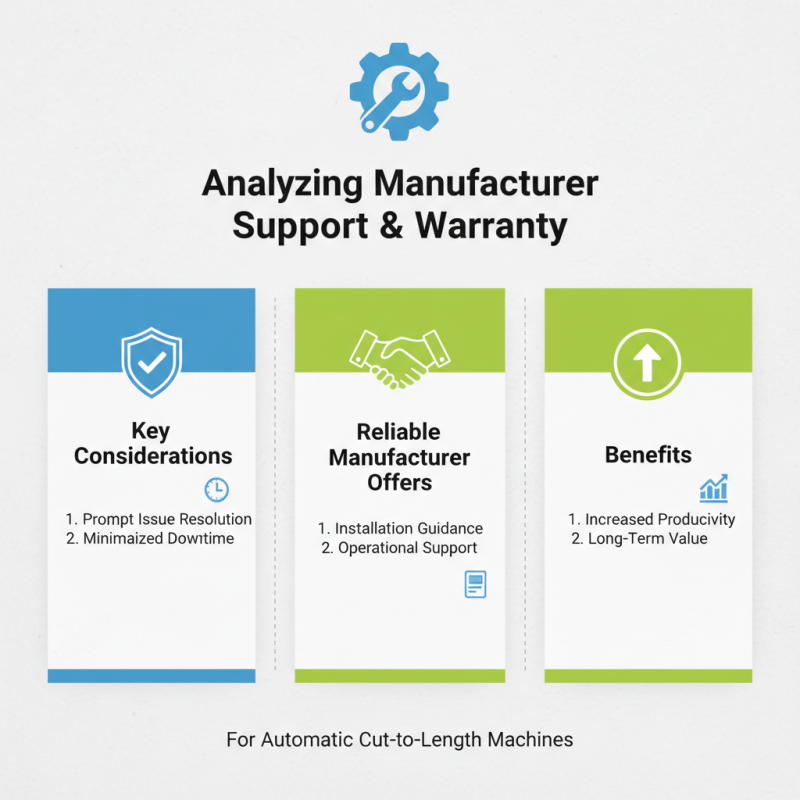
When considering an automatic cut-to-length machine, examining manufacturer support and warranty options is crucial. Adequate support ensures that any issues can be resolved promptly. A reliable manufacturer should offer comprehensive guidance during installation and operation. This reduces potential downtime and boosts productivity.
Tips: Look for manufacturers with a solid reputation for customer service. Check online reviews or seek recommendations within your industry.
Warranties can provide peace of mind. A robust warranty indicates the manufacturer’s confidence in their product. It protects your investment against unexpected repairs. However, read the fine print. Some warranties may have limitations that could affect you later.
Tips: Ask about the warranty duration and what it covers. Understand the process for claiming repairs or replacements. A transparent timeline can save you from frustration.