
Scroll Top
4801 Bennett Rd. Toledo, Ohio 43612

What to Know About HR Slitting Machines in 2026?

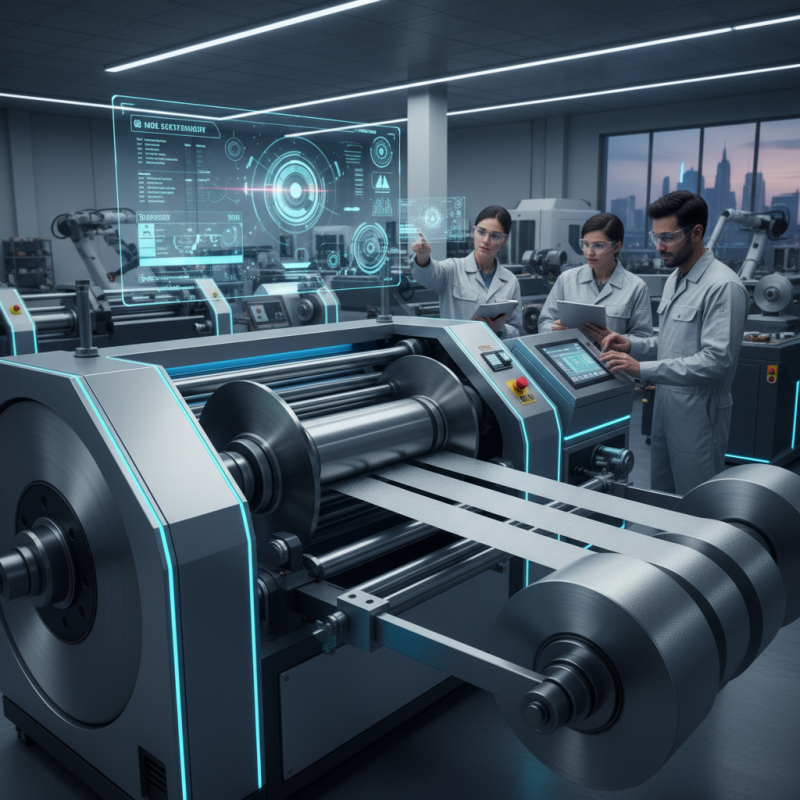
As we look ahead to 2026, the landscape of manufacturing continues to evolve. One key player in this space is the HR slitting machine. These machines are essential for cutting various materials precisely. They cater to industries ranging from textiles to electronics, showcasing versatility.

Understanding the advancements in HR slitting machines is crucial for manufacturers. Innovations focus on improving efficiency and minimizing waste. However, challenges remain. Some operators still struggle with the learning curve of new technologies. Additionally, the demand for precision puts pressure on machine performance.

By recognizing these factors, companies can make informed decisions. Investing in the right HR slitting machine could enhance productivity. Yet, it is vital to assess each model’s reliability before commitment. Embracing change while acknowledging existing obstacles is the key to success in the coming years.
What to Know About HR Slitting Machines in 2026?

Overview of HR Slitting Machines and Their Evolution by 2026

In 2026, HR slitting machines will have evolved significantly, reflecting advancements in technology and industry demands. Originally designed to slice metals with precision, these machines now incorporate automation and AI. According to a recent industry report, the market for slitting machines is projected to grow by 5% annually, indicating increasing reliance on efficiency and accuracy.

The evolution of these machines has addressed common challenges in the industry. For instance, the integration of computer numerical control (CNC) technology allows for more precise cuts, reducing material waste. However, the industry still faces issues such as the high upfront cost of these advanced machines. A report indicated that 40% of small manufacturers hesitate to invest due to perceived financial risks.

Furthermore, the demand for eco-friendly operations is reshaping machine design. Companies are exploring sustainable materials and energy-efficient processes, yet adapting to these changes is not straightforward. The challenge lies in balancing cost-effectiveness with environmental responsibility, a task that many manufacturers are still grappling with. Ultimately, the journey towards fully optimized HR slitting machines is ongoing, with room for improvement in various aspects.
Key Features and Specifications of 2026 HR Slitting Machine Models

What to Know About HR Slitting Machines in 2026?

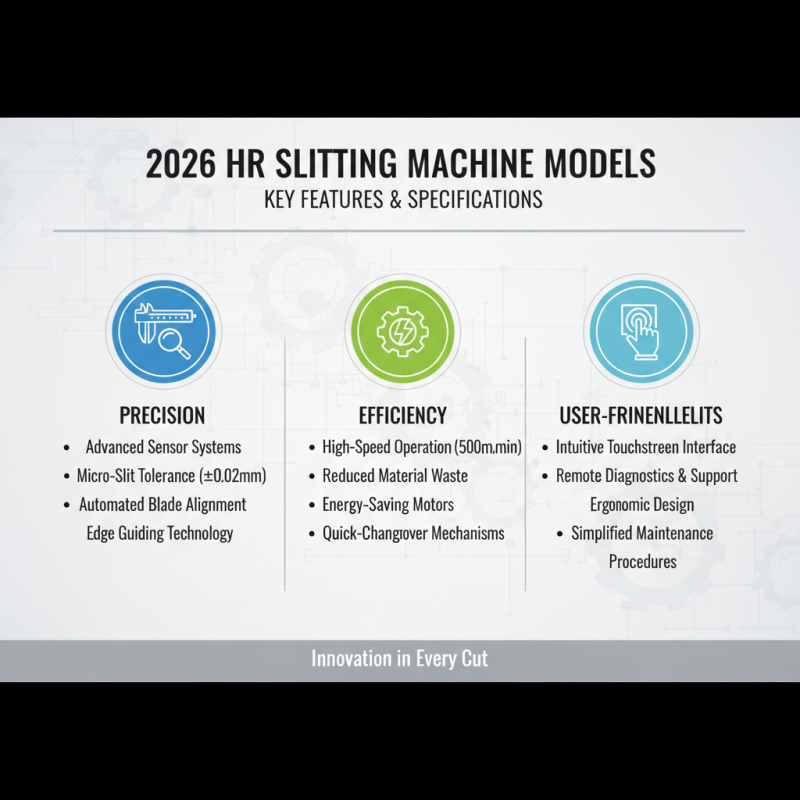
When exploring the features and specifications of HR slitting machines in 2026, it’s essential to focus on innovation. These machines have evolved significantly over the years. The latest models emphasize precision, efficiency, and user-friendliness.

Many new HR slitting machines now come equipped with advanced control systems. These systems allow operators to monitor performance in real-time. Enhanced blade technology ensures cleaner cuts with minimal material waste. Operators report faster setup times, which can lead to increased productivity.

Tip: Regular maintenance is crucial. Schedule routine checks to avoid unexpected downtimes. Ensure that blades are sharp and aligned properly.

Safety features are also a priority in 2026. Emergency stop buttons and protective guards help minimize risks. Still, operators must remain vigilant. Training staff on these new systems is imperative. Ongoing education can enhance safety and operational efficiency.

Tip: Encourage open communication among your team. Share insights about machine performance and safety practices regularly. This approach fosters a culture of continuous improvement.

Applications and Industries Benefiting from HR Slitting Machines

In 2026, HR slitting machines are set to revolutionize various industries. These machines are essential for cutting high-strength materials, optimizing production efficiency. Industries like packaging, automotive, and electronics greatly benefit from their precision and speed. A recent report by Market Research Future estimates that the demand for slitting machines will grow by 7% annually through 2028.

The packaging industry uses HR slitting machines to ensure consistency in size and quality. With the rise of e-commerce, this segment experiences intensified pressure for quick turnaround times. Slitting machines meet those demands, reducing waste and enhancing productivity. Research indicates that a 10% increase in machine efficiency can lead to substantial cost savings in material use.

Tips: Always evaluate your production needs before investing. Not all HR slitting machines are the same. Consider maintenance costs, user training, and parts availability. Investing in automation features might be beneficial but requires careful analysis of initial costs versus long-term gains.

Further, the automotive sector relies on these machines for precise component production. The integration of advanced technology allows for real-time monitoring and adjustments, enhancing quality control. However, machine setup can be complex. Operators must attend training to fully utilize machine capabilities.

Applications and Industries Benefiting from HR Slitting Machines in 2026

Technological Advancements in HR Slitting Machines by 2026

The landscape of HR slitting machines is evolving rapidly. By 2026, technology will play a critical role in improving efficiency and precision. Advanced automation features will likely be more common. Machines equipped with AI algorithms can analyze material data instantly. This analysis allows for real-time adjustments, enhancing cutting accuracy.

Wireless connectivity will enable remote monitoring and maintenance. Operators can receive alerts on machine performance directly to their devices. Such advancements can reduce downtime and improve workflow. Sustainability is another area of focus. Environmentally friendly materials and energy-efficient designs are becoming standard. However, implementing these technologies may pose challenges. Not all manufacturers will adapt quickly to new systems.

Customization options may expand as well. Businesses might demand specific configurations tailored to their production needs. Yet, the complexity of operating advanced machines could require specialized training for staff. Companies must weigh these benefits against potential hurdles. Balancing technology with practical application will be essential for success in the slitting machine industry.

What to Know About HR Slitting Machines in 2026? - Technological Advancements in HR Slitting Machines by 2026

Feature Description Advancement by 2026
Blade Technology High-performance blades for precision cutting New materials and coatings for longer life and improved performance
Control Systems Advanced digital controls for accuracy Integration with IoT for real-time monitoring and adjustments
Automation Automated loading and unloading systems Increased automation capabilities leading to reduced manual labor and errors
Safety Features Various safety mechanisms to protect operators Enhanced safety systems and compliance with new regulations
Energy Efficiency Performance with minimal energy consumption New designs aimed at reducing energy usage significantly
Customization Ability to tailor machines to specific application needs More flexible configurations for various materials and processes

Future Trends and Challenges in HR Slitting Machine Technology

The landscape of HR slitting machine technology is evolving rapidly. In 2026, manufacturers are focusing on enhanced precision. Machines will incorporate advanced sensors, optimizing the slitting process. These sensors can detect material irregularities, improving product quality. Automation is another trend. Increased integration with AI tools will streamline operations. This allows for quicker adjustments, meeting high production demands.


However, several challenges persist. Maintaining machine accuracy over extended use can be difficult. As slitting machines become more complex, operators need extensive training. Workforce skill gaps may emerge, hindering efficiency. Manufacturers will also face sustainability pressures. Eco-friendly materials and processes are becoming essential. While innovation is exciting, it raises questions about resource consumption.


The balance between technological advancement and practical application is crucial. Continuous feedback from end-users will shape future designs. Constructive criticism will help identify shortcomings in new technologies. Ongoing collaboration within the industry can drive improvements. A focus on reliability and efficiency will remain vital as the technology matures.