
Scroll Top
4801 Bennett Rd. Toledo, Ohio 43612

Best Cold Rolled Slitter Machine for Global Buyers?

In the fast-evolving world of metal processing, the demand for high-quality cold rolled slitter machines is on the rise. Industry expert Dr. Michael Chen, a leading authority in metal fabrication technology, once stated, “Precision in slitting processes can make or break production efficiency.” His insight emphasizes the importance of choosing the right equipment for optimal results.

Cold rolled slitter machines play a vital role in various industries, including automotive, construction, and consumer goods. The precision and quality of the slitting process directly impact the final product. Buyers worldwide are looking for machines that not only deliver performance but also incorporate advanced technology and reliability.

While many manufacturers claim to offer top-tier solutions, the market is flooded with options that can be overwhelming. It’s crucial for buyers to carefully evaluate their needs. Understanding the specifications, features, and reviews of different models can help in making an informed choice. Investing in a quality cold rolled slitter machine is key, but it requires careful consideration of various factors. Such decisions often come with room for improvement, highlighting the need for ongoing research and reflection in this competitive landscape.
Best Cold Rolled Slitter Machine for Global Buyers?

Key Features to Look for in Cold Rolled Slitter Machines

When selecting a cold rolled slitter machine, buyers should focus on specific key features. Precision is paramount. Machines should provide accurate cuts, ensuring that dimensions stay within tight tolerances. According to a recent industry report, the accuracy requirement for cold rolled slitting ranges from ±0.1 mm to ±0.5 mm, depending on the material thickness. This level of precision significantly impacts the quality of the final product.

Another vital feature is the machine's speed. High-speed slitting improves productivity and reduces operational costs. The average speed of top-notch slitter machines can reach 200 meters per minute. However, not all machines operate consistently at high speeds. Variability can stem from material types or user settings, leading to inconsistencies in production rates.

Durability and maintenance should also be considered. Machines that require frequent repairs not only hinder operation but can also lead to increased downtime. Regular maintenance is crucial for extending the lifespan of machinery. Industry studies indicate that unplanned downtimes can cost manufacturers up to 10% of their annual revenue. Potential buyers must critically assess both historical performance and owner experiences to make informed decisions.

Top Manufacturers of Cold Rolled Slitter Machines Worldwide

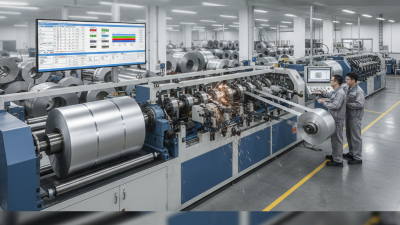
When it comes to cold rolled slitter machines, buyers face a variety of choices. These machines are essential in metal processing industries. Their purpose is to cut large metal rolls into narrower strips, which are then used in various applications. The performance and reliability of these machines depend on the manufacturer’s expertise and innovation.

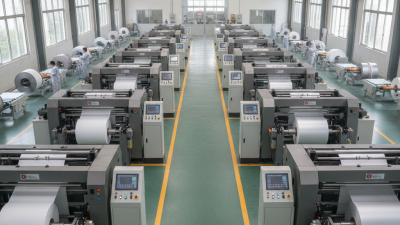
Global manufacturers are stepping up their game. Many of them have introduced advanced technology. This includes automated systems that enhance efficiency. Yet, not all suppliers offer the same level of quality. Some machines might struggle with precision or durability, leading to production delays. A good choice requires careful evaluation of specs and features like speed and blade quality.

Buyers should also consider customer support and service availability. Some manufacturers have excellent after-sales service, which can be a game-changer. However, a few may lack in this area, leaving customers frustrated. Researching reviews and seeking testimonials can help in this process. Balancing cost and quality is crucial, as some low-cost options may not meet industry standards.

Best Cold Rolled Slitter Machine for Global Buyers

Manufacturer Location Machine Type Cutting Width (mm) Max Thickness (mm) Production Speed (m/min) Material Type
Germany Slitter 1600 3.0 150 Steel, Aluminum
Japan Slitting Line 2000 2.5 120 Stainless Steel
USA Slitter Rewinder 1800 4.0 75 Carbon Steel
China Precision Slitter 1500 3.5 130 Coated Steel

Comparative Analysis of Cold Rolled vs. Hot Rolled Slitter Machines

Cold rolled and hot rolled slitter machines serve distinct purposes in metal processing. Cold rolled machines offer precise control over thickness and surface finish. This leads to a smoother product, ideal for applications needing tight tolerances. According to industry reports, cold rolled products can achieve tolerances of ±0.1 mm, making them suitable for automotive and electronic components. This precision enhances the performance of end products significantly.

In contrast, hot rolled slitter machines operate at high temperatures. This process is less energy efficient. Hot rolling can produce thicker gauges but typically results in a rougher surface finish. Data suggests that hot rolled products often have a variance of ±0.5 mm, which may not meet strict engineering requirements. This limitation pushes manufacturers toward cold rolling technology, especially for sectors with demanding specifications.

However, choosing between the two isn't straightforward. Each method has its merits, depending on the application. Some manufacturers report challenges with cold rolling, such as increased tooling wear and limited shapes. On the other hand, hot rolling can lead to residual stresses in the metal, affecting its formability. These nuances necessitate a careful evaluation by buyers, ensuring alignment with their specific needs and processing capabilities.

Cost Considerations for Purchasing Cold Rolled Slitter Machines

When considering the purchase of cold rolled slitter machines, cost is a pivotal factor. Buyers often face a range of prices based on machine quality and features. A well-built slitter machine may cost significantly more upfront, but it can offer superior performance and durability over time. This leads to lower operating costs in the long run, justifying the initial investment. Evaluate the total cost of ownership, not just the purchase price.

Moreover, it’s important to consider hidden costs. These can include maintenance, parts, and the training required for operators. In some cases, cheaper machines might incur higher maintenance costs. Additionally, factor in energy consumption and the efficiency of the machine. A less efficient machine could lead to increased energy bills, which may offset any savings from the lower purchase price.

Buyers should also examine financing options. A finance plan can ease the burden of upfront costs. However, it’s essential to consider interest rates and repayment terms. Understanding the full financial implications will help in making an informed decision. Balancing cost with reliability and efficiency is vital in selecting the right cold rolled slitter machine for your needs.

Maintenance Tips for Optimal Performance of Slitter Machines

Maintaining optimal performance of slitter machines is crucial for efficiency and longevity. Regular inspections should be conducted to check for wear on blades and components. If blades are dull, they create unnecessary friction and can lead to defects in the final product. It is vital to replace worn or damaged parts promptly to avoid costly production delays.

Lubrication is another key area often overlooked. Appropriate lubrication reduces friction and ensures smooth operation. Each machine has specific requirements regarding the type and frequency of lubricants used. Skipping this can lead to overheating and potential breakdowns. Operators should create a lubrication schedule that aligns with the machine’s operational cycles.

Dust and debris can accumulate, hindering performance. Regular cleaning is essential to maintain proper functioning. However, overzealous cleaning can also cause damage. Strike a balance, cleaning the machine without introducing new risks. Training staff on proper cleaning techniques improves reliability. Eventually, striking this balance yields a well-maintained slitter machine that meets production demands efficiently.