
Choosing the right leveling machines for your projects can be challenging. Each project has unique requirements. As expert John Harper states, “The right machine makes all the difference.”
Leveling machines come in various types and specifications. They vary in size, power, and precision. Understanding these differences is vital. A machine that suits one project may not be ideal for another. It’s important to assess your project needs carefully.
Many users overlook crucial factors. Some may focus solely on price, ignoring functionality or durability. Balance is key—evaluate costs against machine capabilities. Think about the terrain you'll work on. Will the leveling machine endure harsh conditions? This reflection can prevent costly mistakes.
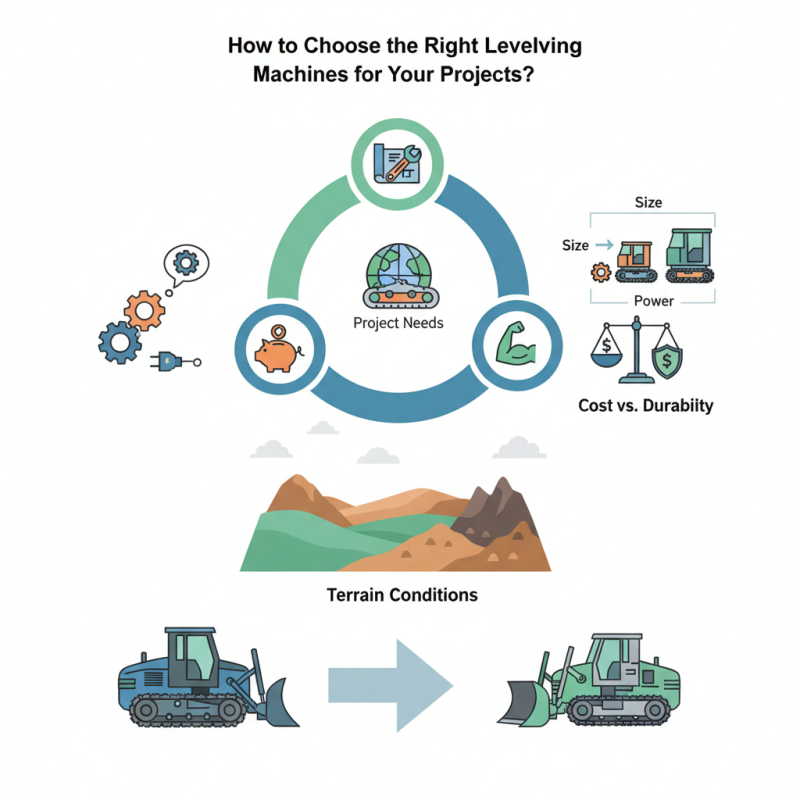
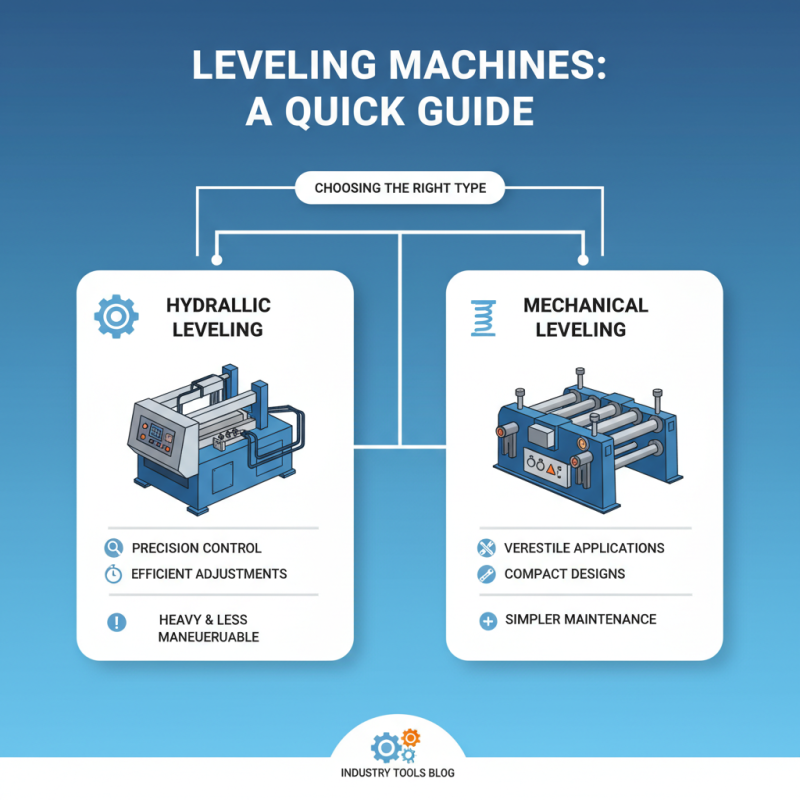
When selecting leveling machines, it's essential to understand the various options. There are different types, each designed for specific tasks. For instance, hydraulic leveling machines are popular for their efficiency. They offer precise control, allowing for smooth adjustments. However, these machines can be heavy and difficult to maneuver in tight spaces.
Another option is the manual leveling machine. This type relies on human strength, making it versatile for smaller projects. Its simplicity is an advantage, but it may require significant physical effort. Many users find it exhausting over extended periods. Electric models are also available, providing a balance between power and ease of use. They can be great for consistent work, but they also require reliable power sources.
Choosing the right machine depends on the project's scale and specific needs. It can be overwhelming due to so many choices on the market. Novice users might overlook details that matter, like weight capacity and terrain suitability. Experienced operators may have preferences based on past experiences. Reflecting on what works best in various settings can simplify the decision-making process.
Choosing the right leveling machines for your projects requires careful consideration. Start by analyzing the specific requirements of your project. What material will you be working with? Different machines cater to different needs. For example, heavier materials require robust machines capable of handling significant weight. You also need to think about the size of the area you’re leveling. Compact machines are ideal for smaller spaces, while larger machines can tackle extensive areas efficiently.
Another key factor is the machine’s ease of use. Some machines have complex controls, which can be a barrier for beginners. It’s essential to assess your team’s skill level. Understanding how comfortable they are with technology can guide your decision. Keep in mind, maintenance matters too. Machines that are difficult to maintain can lead to costly downtime. Look for options that are user-friendly and have good support available. Reflect on these details to avoid choosing a machine that might not align with your project’s needs. Ultimately, your choice should enhance productivity and ensure quality results.
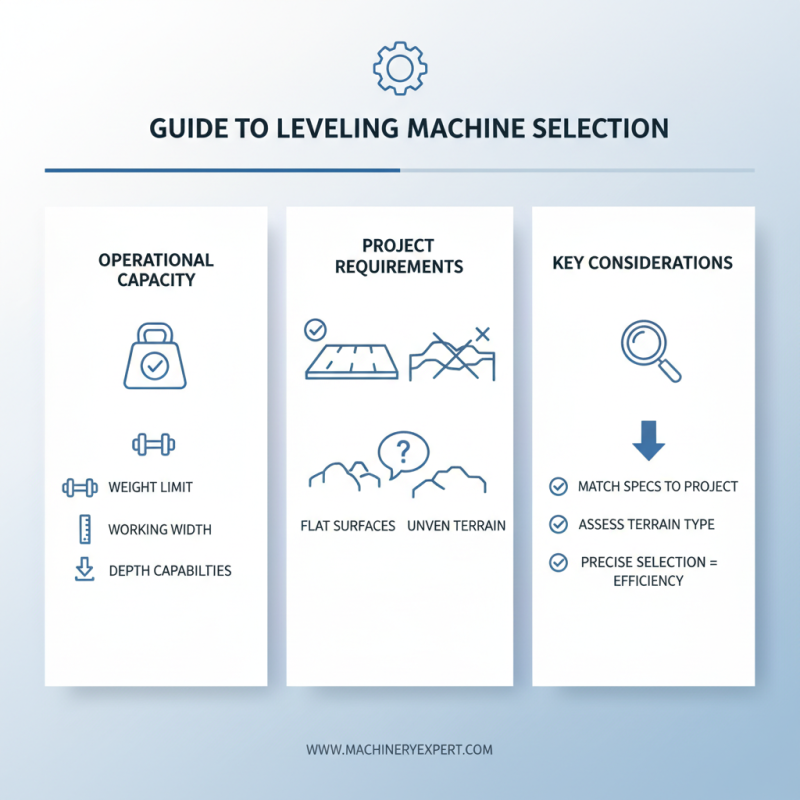
When selecting leveling machines for your projects, understanding technical specifications is crucial. Start by examining the machine’s operational capacity. This includes its weight limit, working width, and depth capabilities. Different projects may need different specifications. A machine that works well on a flat surface may struggle on uneven terrain. Assess these aspects carefully.
Another important factor is the machine's precision. Most leveling tasks require high accuracy. Look for machines with adjustable settings for fine-tuning. This allows for better results in varying conditions. It’s worth noting that more features can sometimes complicate usage. Start simple, and then consider enhancements as needed. Performance tracking can be tricky; not every machine provides necessary data.
Moreover, consider the ease of maintenance. Machines that are complicated to service can lead to downtime. Speak to users and gather their experiences. This feedback can reveal strengths and weaknesses often overlooked in specifications. Balancing power and user-friendliness is essential for effective operation. Pay attention to user reviews before making a final decision.
When choosing leveling machines, evaluating manufacturer reputation is essential. A reliable manufacturer often showcases a strong history in the industry. Research customer reviews and feedback on platforms that highlight user experiences. Look for patterns in comments, both positive and negative. This helps gauge product reliability and any recurring issues.
Customer support is another critical factor. A responsive support team is invaluable when troubleshooting or seeking advice. Check whether the manufacturer provides various communication channels. A quick response can save you time and frustration. Some companies fall short here. Delayed responses often lead to project hold-ups and increased costs.
Additionally, consider the availability of spare parts. Some manufacturers may promise quick solutions but fail to deliver when parts are needed. This can create significant issues down the line. Look for manufacturers that are transparent about support systems. Those that admit past failures or design flaws show commitment to improvement. Balancing these aspects can lead to a more informed decision for your projects.
| Dimension | Criteria | Importance Level | Notes |
|---|---|---|---|
| Manufacturer Reputation | Assess reviews, awards, and industry ratings | High | Look for consistent positive feedback over time |
| Customer Support | Availability, response times, and support channels | Medium | Evaluate service through direct inquiries |
| Warranty and Service | Length and coverage of warranty offered | High | Longer warranties indicate confidence in product quality |
| Product Range | Variety of models suitable for different projects | Medium | A diverse selection can meet unique project needs |
| Price Point | Affordability vs. features offered | High | Compare costs with similar models to assess value |
When budgeting for leveling machines, understanding costs is crucial. Prices vary widely based on features and specifications. Basic models might start at a few hundred dollars. Advanced machines could cost several thousand. Think about what fits your budget. Make a list of essential features.
Consider long-term investments when choosing a machine. Cheaper options may save money now, but can lead to higher repair costs later. Assess the machine's durability. Will it serve your projects over time? Factor in maintenance costs as well. Investing in quality can reduce downtime.
Reflect on your specific project needs. Will you use the machine frequently? Or is it for occasional tasks?
It's important to determine how often you'll need it. This helps justify your budget. Balancing initial costs against potential long-term benefits can be tricky. Always consider how the machine will meet your future project demands.