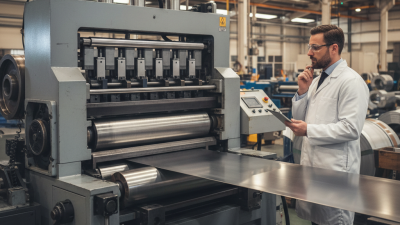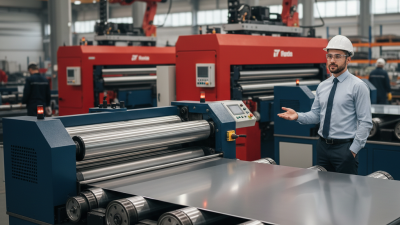

In the competitive market of metalworking, choosing the best profile straightening machine can significantly impact production efficiency. Industry expert Dr. John Stanton, a renowned engineer in metal processing technology, once noted, “The right equipment can make all the difference between quality and waste.” Selecting a suitable profile straightening machine requires careful consideration.
Look for features that align with your specific production needs. A robust machine should effectively straighten various profile shapes while ensuring minimal material waste. Pay attention to the machine's speed, precision, and ease of use. Each factor contributes to the overall effectiveness of your manufacturing process.
However, even advanced machines can have limitations. Understanding these limitations can help you make better decisions. Explore user feedback and machine reviews. This approach offers invaluable insights and helps you reflect on what works best for your operations. The right profile straightening machine can transform your workflow, but choosing wisely is key.
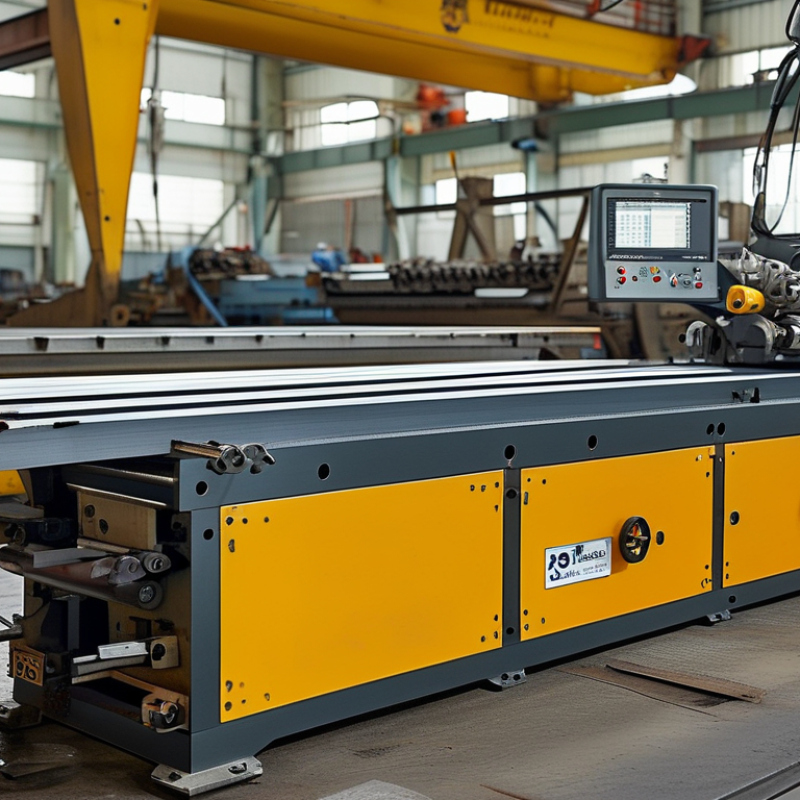
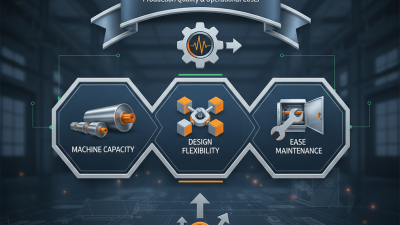
Choosing a profile straightening machine requires careful consideration of various factors. One important aspect is the machine's capacity. You need to assess the types of profiles you will be working with. Different profiles require different bending capabilities. If you work with intricate designs, ensure the machine can handle those specifications.
Another critical factor is the machine's precision. Look for models that offer consistent results. Precision impacts the quality of your final product. A machine that occasionally misses the mark may lead to waste and repeat work. Always ask for specifications about accuracy and tolerances.
When selecting, consider ease of use. A user-friendly interface can save time and reduce error rates. Training operators on complex machinery can be challenging. Simpler models facilitate quicker onboarding for new staff.
Pay attention to the machine's durability. The construction should withstand rigorous daily use. Machines with robust frames and quality materials tend to have longer lifespans. Remember, a cheaper price often means compromised quality.
Evaluate maintenance requirements too. Some machines need regular, tedious upkeep. Frequent maintenance can disrupt productivity. Find a balance between performance and maintenance needs to ensure efficiency.
When making your choice, visit facilities that have the machines you are considering. Real-world testing can reveal issues you might not see from a brochure. Engaging with current users provides insights into the machines' daily performance and reliability.
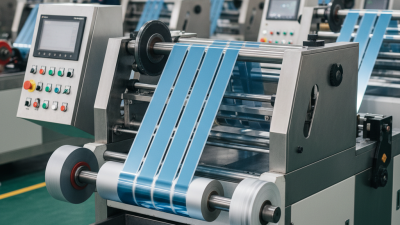
When selecting a profile straightening machine, it's vital to understand the various types available in the market. Each machine offers unique features tailored for specific applications. Common types include roller straighteners, press straighteners, and hybrid systems. Roller straighteners are often favored for their efficiency, as they can handle various profiles while maintaining precision. However, they may struggle with thicker materials, highlighting the importance of your specific needs before making a choice.
Press straighteners, on the other hand, excel in dealing with stubborn warpage in heavier profiles. These machines use a more intense force, thus ensuring a higher level of straightness. Yet, they may require more maintenance and expertise to operate effectively. It's crucial to consider whether you have the necessary skills on hand, or if you need to invest in training or support.
Hybrid systems combine features of both roller and press straighteners. They provide versatility but may come at a higher cost. Understanding the strengths and limitations of each machine can guide you in making an informed decision. Reflecting on your production volume and expertise is key to avoiding costly mistakes. Remember, investing in the right profile straightening machine can significantly impact your production quality and efficiency.
When choosing a profile straightening machine, there are key features to consider. One essential aspect is the machine's versatility. A good machine should accommodate various profiles and materials, making it suitable for different applications. Look for machines that can handle materials like steel, aluminum, and even composite materials. This flexibility increases its value in dynamic industrial environments.
Another critical feature is precision. A reliable straightening machine should provide consistent results. Check the tolerance levels it can achieve. Ideally, the machine should operate within a few millimeters of the desired specifications. Also, consider the speed of operation. Faster processing times can significantly boost productivity, but this should not compromise the quality of the straightening process.
User-friendliness is often overlooked. However, a machine that's intuitive reduces the learning curve for operators. Look for machines with straightforward controls and good visual feedback. While advanced technology can enhance performance, ensure operators can use it effectively. Regular maintenance requirements are also worth considering. A machine requiring extensive upkeep might not be the best choice. Balancing these features will lead to better long-term investments.
When selecting a profile straightening machine, performance and efficiency are crucial elements. A machine that operates smoothly saves time and reduces material wastage. Look for machines with adjustable settings. This feature allows for various profiles and tolerances, enhancing versatility.
Efficiency can be assessed through energy consumption. Machines that use less energy while delivering the same output indicate higher efficiency. Additionally, pay attention to the speed of operation. Faster machines might seem appealing, but consider if they compromise the quality of the straightened profiles.
Durability is also essential. A reliable machine should withstand heavy usage without frequent breakdowns. That's where maintenance comes into play. Regular check-ups can enhance longevity and overall performance. Some users overlook the significance of maintenance, leading to inefficiencies. Proper care and timely repairs can prevent expensive replacements down the line.
When selecting a profile straightening machine, understanding the cost versus benefit is essential. Initial costs can be daunting. Yet, the right machine can save money and time over time. Analyze the features you need. Look for machines that offer versatility and durability. Cheaper options may lack longevity and performance. This could lead to higher costs in repairs or replacements.
Consider the materials you will work with. Different machines handle various materials differently. A machine suitable for one type may struggle with another. Research the experiences of others. Reading reviews helps you understand real-world performance. Pay attention to maintenance costs too. A machine that is easily maintained may require less investment over its lifetime.
Before making a purchase, reflect on your production needs. Will this machine grow with your business? A machine that meets current needs but cannot adapt may soon become obsolete. Ask yourself if the investment aligns with your long-term goals. This deeper understanding can lead to a more satisfactory purchase decision. Analyze every aspect, and consider the balance between cost and the potential benefits of increased productivity.