
Scroll Top
4801 Bennett Rd. Toledo, Ohio 43612

Top Cold Rolling Machine Manufacturers in China

China has become an important source of cold rolling equipment for steel processors, metal service centers, and industrial manufacturers. Choosing a cold rolling machine manufacturer is not just a matter of comparing advertised speed or price. Buyers need to understand how a mill handles strip width, incoming material, target thickness, and production volume. A practical review should also examine roll design, thickness-control systems, tension management, and operator access. These details shape daily performance. Small differences matter.

A capable machine should produce consistent strip while fitting the buyer’s actual process—not merely look impressive in a catalog. Ask manufacturers for technical drawings, material requirements, commissioning plans, spare-parts guidance, and references from comparable installations. Where possible, review sample production data and clarify how service support works after delivery. No brochure tells the whole story. Some specifications may also depend on the material and operating conditions, so they deserve careful verification. This guide introduces leading cold rolling machine manufacturers in China and outlines the factors that can help buyers compare them more confidently. It is a starting point, not a substitute for technical due diligence. Even a well-built mill can disappoint if the line layout, operator training, or maintenance plan is overlooked.
Top Cold Rolling Machine Manufacturers in China

Cold Rolling Fundamentals: 2-High, 4-High, 6-High, and 20-High Mills

A cold rolling mill reduces metal thickness at room temperature by pushing strip between rotating rolls. The process can improve thickness consistency and surface finish, but it also raises work hardening. Operators monitor roll force, strip tension, speed, and temperature. Small changes matter.

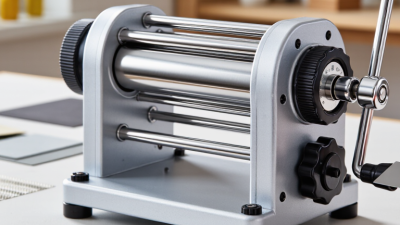
A 2-high mill uses two work rolls, one above the other. Its direct layout suits simpler reductions and lower equipment complexity, though roll deflection can limit control across wider strip. A 4-high mill adds two larger backup rolls behind the work rolls. This support helps maintain a more even gap under load, which is useful for thinner gauges and broader material.

In a 6-high mill, intermediate rolls sit between the work and backup rolls. Their position can help control strip shape and edge profile. A 20-high mill uses a cluster of small work rolls supported by multiple intermediate rolls. This arrangement allows very thin strip while limiting work-roll bending, but setup and adjustment become more demanding. The roll stack is intricate. Mill choice depends on alloy, incoming gauge, target thickness, width, and production volume. A detail often missed: excellent equipment cannot correct poor lubrication or inconsistent incoming material. Those conditions can leave marks or uneven thickness, and troubleshooting may take longer than expected.

Cold Rolling Fundamentals: Roll Counts by Mill Type

The mill names indicate the total number of rolls in each configuration. A 4-high mill typically has two work rolls and two backup rolls; 6-high mills add intermediate rolls. A 20-high cluster mill uses a larger group of supporting rolls, with the precise arrangement varying by design.

Core Machine Specifications: Strip Gauge, Width, Speed, and Pass Schedule

Top Cold Rolling Machine Manufacturers in China

When comparing cold rolling machines in China, start with the strip gauge range your products actually require. A stated minimum gauge is not enough; ask how thickness accuracy changes across the working width. For example, thin stainless strip may demand steadier tension and tighter shape control than a thicker carbon-steel coil. Request test data using a similar material and gauge. A polished specification sheet can still leave questions unanswered.

Width, speed, and pass schedule must work together. A wider strip places different demands on roll stiffness and crown control. Maximum speed matters less if the line cannot maintain stable tension during acceleration or coiling. Ask for the recommended number of passes for your target reduction, along with entry and exit gauges. More passes may improve control, but they can add time and handling. I would not assume the standard schedule suits every alloy; that is an easy detail to overlook.

Tips: Share sample coil data, including material grade, width, gauge, and target finish. Ask suppliers to clarify operating speed under load, not just the headline maximum. Confirm which tolerances they can demonstrate. Small differences matter.

Quality Verification: GB/T 2523 Surface-Roughness Testing for Cold-Rolled Strip

For buyers evaluating cold rolling machine manufacturers in China, surface-roughness records can reveal how carefully a production line is controlled. GB/T 2523 provides methods for measuring surface roughness and peak count on cold-rolled sheet and strip. The standard gives buyers and suppliers a shared measurement basis. Small details matter.

A useful verification begins with a clean, flat sample and a calibrated contact instrument. The operator should record the instrument settings, evaluation length, and measurement direction, since these affect the result. Measurements across several positions can expose uneven texture that one reading might miss. Record Ra or other specified parameters alongside the coil identification and sampling location.

Numbers need context. A roughness result alone does not prove that a strip meets its purchase specification; acceptance limits must come from the agreed product requirements. Nor does one passing sample describe every coil. Ask how instruments are checked, how repeat readings are handled, and whether test conditions follow the applicable GB/T 2523 edition. A tidy report can still hide inconsistent sampling. That deserves a closer look.

Top Cold Rolling Machine Manufacturers in China - Quality Verification: GB/T 2523 Surface-Roughness Testing for Cold-Rolled Strip

Supplier-neutral inspection framework. Record measured results against the applicable product specification and purchase agreement.

Verification item Data to record Unit or format Verification basis Inspection result
Standard and edition GB/T 2523 edition used for the test Standard number and year Confirm the edition required by the contract or inspection plan. Record edition
Roughness parameter: Ra Measured arithmetic mean profile deviation for each test location µm Use the measurement procedure and settings applicable to the specified standard and product requirement. Record actual readings
Peak-count parameter: Rpc Measured peak count, when required by the product specification cm−1 (as applicable) Record only when this parameter and its evaluation conditions are specified. Record actual readings or N/A
Measurement direction Direction of the profile measurement relative to the rolling direction Transverse / longitudinal / other agreed direction Identify the direction clearly; follow the applicable standard and agreed inspection plan. Record direction
Instrument and calibration Instrument identification, calibration status, and verification reference ID / date / certificate reference Use a suitable surface-texture measuring instrument with current calibration or verification records. Record instrument details
Test location and sampling Coil or sheet ID, side, width position, and number of test locations Traceable location description Apply the agreed sampling plan and identify locations so results can be traced to the material. Record sample map or locations
Measurement settings Relevant filter, cutoff, evaluation length, and other parameter settings Instrument setting values Select and report settings in accordance with the applicable method and parameter being evaluated. Record settings
Acceptance decision Measured value, specified limit, and pass/fail status for each required parameter Value and decision Compare results with the limits in the applicable product specification or purchase agreement; GB/T 2523 does not provide one universal acceptance limit for every product. Record value, limit, and status

Note: This is a verification template, not a report of measurements from a specific manufacturer or coil. Actual test results and acceptance limits must come from traceable inspection records and the applicable order requirements.

Leading Chinese Manufacturers: Product Lines, Mill Types, and Export Markets

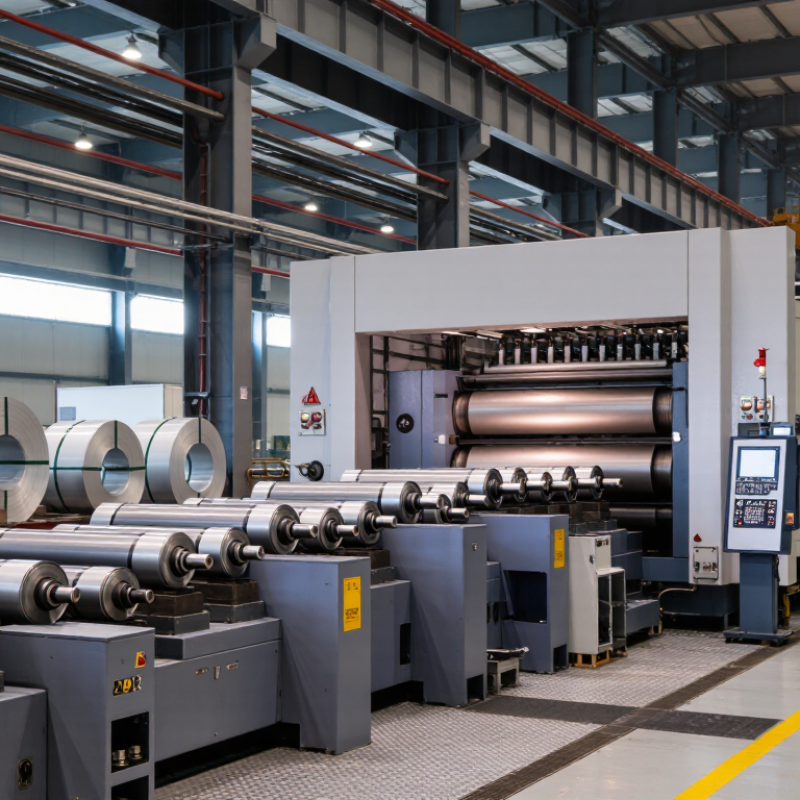
Chinese cold rolling machine manufacturers serve a wide range of production needs, from compact reversing mills to continuous multi-stand lines. Product offerings may include skin-pass mills, leveling equipment, tension reels, and automation systems. The right configuration depends on strip width, material grade, target thickness, and required output. A mill designed for thin stainless strip, for example, may need tighter gauge control than a line processing thicker carbon steel. Details matter.

Export markets include regions across Asia, the Middle East, Africa, and South America. Buyers should compare more than quoted capacity: ask for operating references, installation support, spare-parts availability, and clear acceptance criteria. Review the proposed mill layout and control functions with a process engineer before ordering. A specification sheet can look complete while leaving practical questions unanswered. I have seen equipment comparisons focus too heavily on speed; that is not always the best measure of a reliable production line.

Tips: Request sample calculations for your actual material and target thickness. Confirm what commissioning support includes, and clarify delivery scope in writing. If technical details are vague, pause and ask for a revised proposal. A little extra checking helps prevent costly surprises.

Supplier Comparison: Gauge Tolerance, Automation, Service, and Lifecycle Cost

When comparing Chinese cold rolling machine manufacturers, verify gauge tolerance with mill data, not a brochure’s best-case figure. Request sample coil measurements across the strip width and at both the head and tail. A stable result matters more than one impressive reading. Small differences add up.

Automation deserves equal scrutiny. Check whether thickness control, roll-gap adjustment, and fault alarms work together. Request a live demonstration with representative material. Operators should be able to trace alarms and recover safely without relying on one specialist. More automation is not always better. Poorly tuned controls can slow changeovers.

Service terms shape uptime. Compare commissioning support, spare-part availability, response times, and training, then confirm inclusions in writing. Lifecycle cost should include energy, roll and bearing replacement, maintenance labor, and planned downtime—not only the purchase price. Ask suppliers to explain their assumptions with a sample cost model. It may still miss local operating conditions, so test the estimate against your shifts, material grades, and production targets. A careful comparison takes time. It can expose gaps before installation.