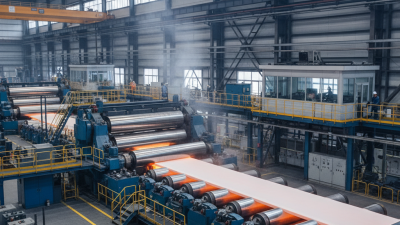

In today's competitive manufacturing landscape, selecting the right metal processing machine is critical. According to industry expert Dr. James Li, "The right equipment can significantly boost productivity and quality." His insights underline the importance of making informed choices in machinery.
Metal processing machines vary widely in features and capabilities. Factors like precision, speed, and versatility can greatly influence production outcomes. Companies often overlook these details. This can lead to inefficiencies and missed opportunities. Choosing the wrong machine can hinder growth in an industry that demands constant innovation.
Furthermore, understanding the specific needs of your business is essential. Not all metal processing machines serve the same purpose. Exploring various options may reveal unforeseen benefits. Investing time in research can optimize your manufacturing processes, but it requires careful thought and consideration. Rethinking your machinery choices could be the key to unlocking new levels of success.
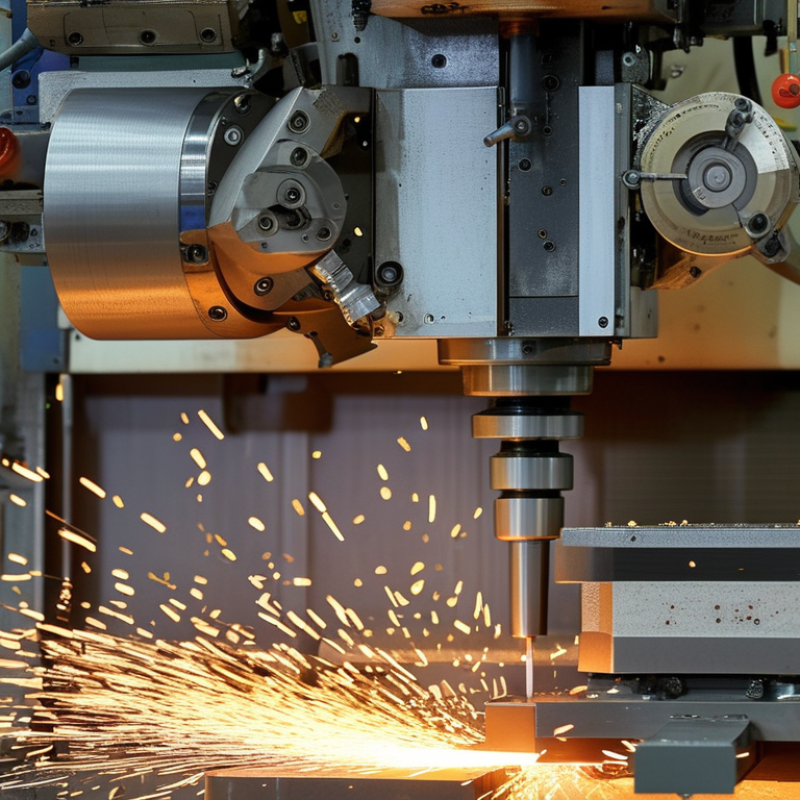
China's metal processing equipment market is experiencing significant growth. According to a recent report, the market size was valued at over $20 billion in 2022, with an annual growth rate projected at 7% through 2028. This expansion is driven by the increasing demand for high-quality metal components across various industries, including automotive and aerospace.
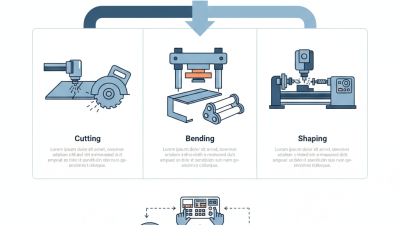
Metal processing machines in China come in various types, like CNC machines, laser cutters, and bending machines. Each machine serves specific manufacturing needs. For example, CNC machines are known for precision and efficiency, making them ideal for mass production. The versatility of laser cutters allows for intricate designs without compromising material integrity. However, manufacturers often face challenges. Equipment calibration can be complex, which might lead to production delays and waste.
Quality control is another critical issue. A survey indicates that 30% of manufacturers report difficulties in maintaining consistent product quality due to machinery limitations. Investing in advanced technology can mitigate these challenges, but it also requires careful consideration of cost and available resources. Manufacturers must weigh their options to enhance productivity while ensuring reliable outcomes.
The landscape of metal processing machines is diverse, catering to a variety of manufacturing needs. Manufacturers can choose from CNC machines, laser cutters, and plasma cutters. Each type offers unique advantages. For instance, CNC machines provide high precision and automation, which can enhance productivity. According to a recent report by MarketsandMarkets, the CNC machine market is projected to reach $100 billion by 2025, reflecting its growing importance.
Laser cutting machines are another vital option. They are renowned for their speed and precision. Data from Technavio indicates that the global laser cutting market will grow by over $5 billion between 2021 and 2025. However, the initial investment can be high, which may be a concern for small manufacturers. Plasma cutters, on the other hand, are more affordable and suitable for thicker materials. Yet, they may compromise on precision compared to lasers.
Each machine type has its pros and cons. Manufacturers must assess their specific needs and budgets. Limited access to advanced technology can hinder smaller operations. It’s essential to weigh options carefully. Current trends lean towards automation and smart manufacturing, yet adaptability remains a challenge. Without understanding the full spectrum of machine capabilities, manufacturers risk inefficient production processes.
When selecting metal processing machines for manufacturing, several key features warrant attention. Precision is crucial. The accuracy of cutting tools often determines the overall quality of the final product. Machines must be able to deliver consistent results to reduce waste. Durability is also vital. An investment in robust machinery can yield long-term gains. Machines that are prone to breakdowns can halt production, leading to costly delays.
Tips: Evaluate the machine's maintenance needs. A machine requiring frequent repairs can drain resources. Look into user reviews and case studies for insights into real-world performance.
Another important feature is flexibility. Versatile machines can adapt to various projects and materials, which is particularly useful for manufacturers dealing with diverse requirements. Technology integration is increasingly crucial as well. Modern machines should easily connect with design software for effective automation.
Tips: Consider your future needs. A machine might meet current requirements but may quickly become obsolete. Stay informed about technological advancements in metal processing. Balancing these features ensures you select equipment that enhances productivity and remains reliable over time.
| Machine Type | Key Features | Material Compatibility | Average Cost (USD) | Ideal For |
|---|---|---|---|---|
| CNC Machining Center | High precision, automated controls, multi-axis | Aluminum, Steel, Brass | 30,000 - 150,000 | Complex parts manufacturing |
| Laser Cutting Machine | High-speed cutting, intricate designs, minimal waste | Steel, Acrylic, Wood | 25,000 - 80,000 | Sign making, sheet metal fabrication |
| Metal Stamping Press | High volume production, quick changeover | Sheet metal, aluminum | 15,000 - 60,000 | Automotive parts, brackets |
| Water Jet Cutting Machine | No heat affected zone, versatile materials | Metal, Glass, Stone | 40,000 - 120,000 | Custom shapes cutting |
| Plasma Cutting Machine | Fast cutting, clean edges, suitable for thicker materials | Steel, Stainless Steel | 10,000 - 50,000 | Heavy-duty cutting applications |
China is home to a vibrant metal processing machine manufacturing sector. The landscape features many top-tier companies that specialize in advanced machinery. According to industry reports, the metal processing equipment market is expected to grow significantly, reaching a value of approximately $10 billion by 2025. This growth is driven by a rise in demand for precision and efficiency in manufacturing processes.
Leading manufacturers in China focus on innovative technologies. They develop machines that are not only efficient but also sustainable. Reports indicate that automation and digital integration are key trends in this field. Nearly 60% of manufacturers are investing heavily in smart technology to enhance productivity. However, some businesses still rely on outdated machinery, which may impact their efficiency and competitiveness.
The need for reliable metal processing machines is evident. Factories face challenges in sourcing quality and timely delivery. Data suggests that companies achieving high operational standards often leverage advanced equipment. As manufacturers navigate these complexities, choosing the right machine becomes critical. Embracing modern metal processing solutions is essential for staying competitive in today's market.
Cost-effectiveness in metal processing is crucial for manufacturers. Recent reports indicate that nearly 70% of companies prioritize cost efficiency when selecting machinery. This focus drives the demand for machines that deliver quality without exorbitant costs. Moreover, operational efficiency is equally vital. Industry studies show that efficient machines can increase production rates by up to 30%. This boost directly influences profit margins.
Consider the capabilities of modern CNC machines. They often reduce material waste significantly. Some reports suggest a decrease in waste by up to 15% with precise cutting techniques. However, selecting the right machinery is not always straightforward. It requires careful analysis of production needs and operational capabilities. Moreover, some organizations may struggle with training staff to handle advanced equipment.
Balancing cost and efficiency is complex. Regular maintenance of machinery is an added cost that needs consideration. Many manufacturers overlook these expenses when evaluating their budget. Ultimately, investing in metal processing machines should align with both short-term profits and long-term sustainability goals. Ensuring that investments yield consistent returns is essential in an ever-evolving market.