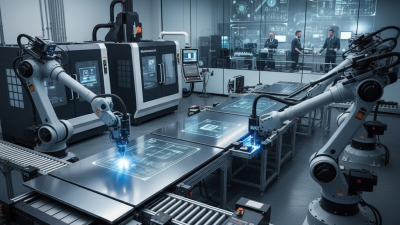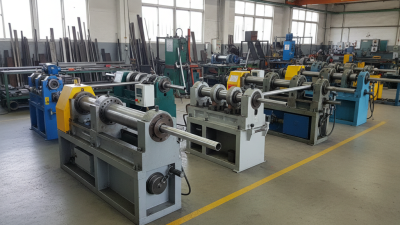

In the highly competitive steel processing industry, the efficiency of operations can make or break a company’s success. A significant aspect of this efficiency is the use of roller leveling machines. According to a recent report by the Steel Market Development Institute, the market for these machines is expected to grow by 10% annually over the next five years. This growth is driven by the increasing demand for precision metal sheets in various applications.
Industry expert Dr. Jane Smith, a noted authority in steel manufacturing technology, stated, "Implementing advanced roller leveling machines significantly reduces material waste and enhances sheet flatness." This insight highlights the crucial role of roller leveling machines. However, selecting the right machine can be challenging. Companies often face the dilemma of balancing cost with the advanced technology required for optimal performance.
Not all roller leveling machines are created equal. Variability in design and functionality can lead to unexpected results. It's essential for manufacturers to conduct thorough research before making a decision. Investing time in understanding the specific needs of your production line is vital. This reflective practice can ultimately prevent costly mistakes in equipment selection. Recognizing the nuances in roller leveling technology can pave the way for enhanced productivity and improved steel processing efficiency.
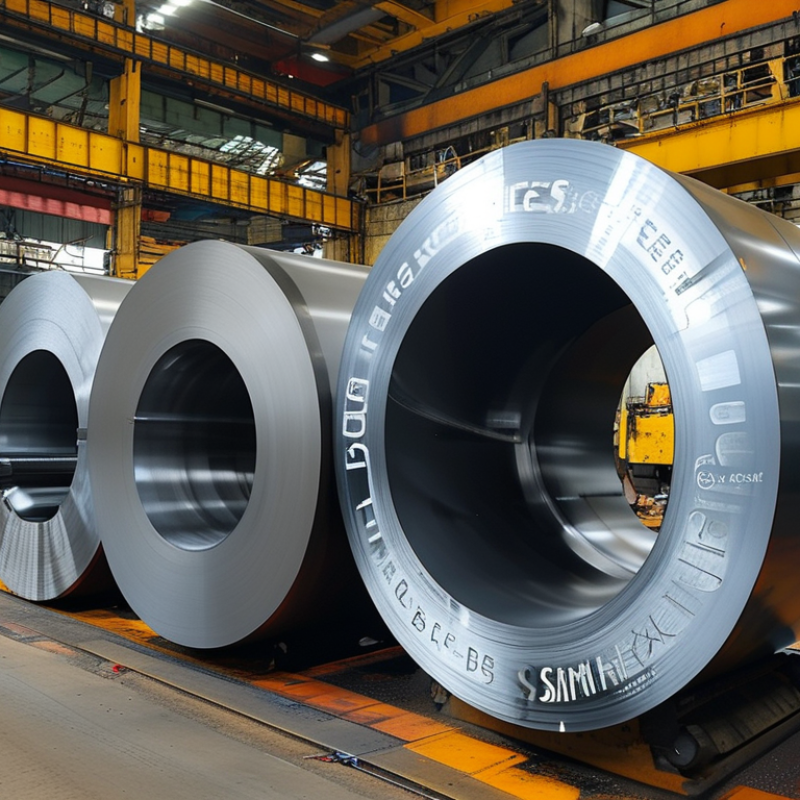
Roller leveling machines play a crucial role in steel processing, enhancing efficiency and precision. These machines are designed to eliminate residual stress in steel sheets and plates. According to a report from the International Journal of Advanced Manufacturing Technology, the proper use of roller leveling machines can improve product flatness by up to 50%. This significant reduction in distortion helps manufacturers produce high-quality steel for various applications.
Proper adjustments and settings are essential for optimal results. A study from the Welding Journal highlighted that improper leveling can lead to rework rates as high as 20%. This not only affects productivity but also increases costs. Operators must be trained to recognize the machine's limitations and understand the specific material properties they deal with. This expertise is key to maximizing the machine's effectiveness.
While roller leveling machines enhance efficiency, challenges remain. Variations in steel thickness or hardness can complicate the leveling process. Additionally, maintenance is vital; neglecting it can cause wear and inaccuracies. Data from the Steel Institute shows that regular maintenance can cut downtime by 30%. Operators should continuously seek feedback on machine performance to identify necessary adjustments and improvements.
| Machine Type | Maximum Thickness (mm) | Roller Diameter (mm) | Speed (m/min) | Weight (kg) | Power (kW) |
|---|---|---|---|---|---|
| Hydraulic Roller Leveler | 10 | 500 | 20 | 3000 | 15 |
| Mechanical Roller Leveler | 8 | 400 | 15 | 2500 | 10 |
| Servo-Controlled Leveler | 12 | 550 | 25 | 3200 | 20 |
| High-Speed Roller Leveler | 6 | 350 | 30 | 2200 | 12 |
Selecting the right roller leveling machine is crucial for efficient steel processing. One should consider several key features. The machine's capacity for material thickness and width directly influences output. A robust machine can handle various steel grades without compromising quality. Flexibility in adjustments is another essential aspect. This allows operators to adapt to different production needs seamlessly.
Additionally, operator safety features should not be overlooked. Machines equipped with automatic shut-off systems and emergency stops ensure a safer working environment. It’s important to evaluate durability as well. Frequent maintenance can lead to downtime, impacting efficiency.
Noise levels can also affect workplace comfort. Machines designed with noise reduction in mind can contribute to a better working atmosphere. Reflecting on these aspects is essential. Each feature plays a role in the overall productivity and safety of operations. Ultimately, the right machine should align with specific processing needs and operational goals.
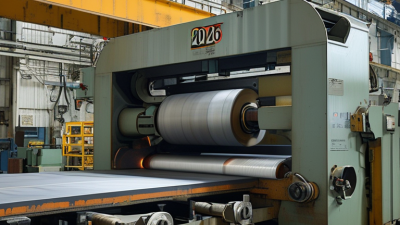
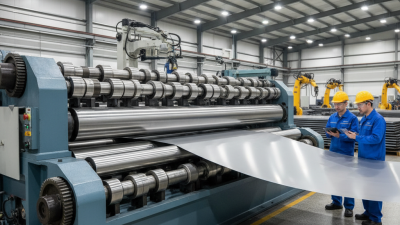
Roller leveling machines play a crucial role in the steel processing industry. These machines help to ensure that sheets or plates of steel are flat, which is essential for various applications. One common type is the flat roller leveling machine, ideal for thin sheets. It utilizes multiple rollers to gradually flatten the material. According to a recent report by the Metal Processing Association, using such machines can reduce material scrap by up to 20%. This improvement positively impacts both cost and efficiency.
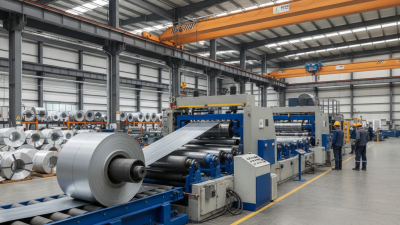
Another type is the heavy-duty roller leveling machine. These are designed for thicker materials and serve in industries like construction and shipbuilding. Specialized for tougher applications, they often operate on a larger scale. The same Metal Processing Association report indicates that using heavy-duty machines can increase throughput by as much as 30%. However, not all operations achieve optimal efficiency. Maintenance is vital, as neglect can lead to uneven leveling and unexpected downtime. Addressing these challenges is important for any production facility aiming for high efficiency.
When evaluating the best roller leveling machines, it’s crucial to understand their performance and efficiency. Different machines offer various features that influence their effectiveness in steel processing. Some focus on speed, while others prioritize precision. This distinction can affect production quality significantly.
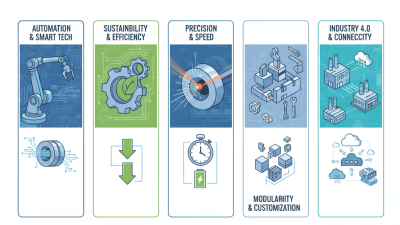
One key aspect to consider is the roller configuration. Machines with multiple rollers can provide more consistent flattening. However, they may require more maintenance due to increased wear. Another feature to study is the automation level. Automated systems can improve productivity, yet they might lack flexibility for custom jobs.
Moreover, user experience plays a significant role. Operators have reported varying degrees of satisfaction. While some machines operate with minimal adjustments, others demand constant calibration. It’s essential to gather feedback from users to assess reliability. Examining these factors can lead to a more informed decision in selecting a roller leveling machine that best fits specific processing needs.
Operating roller leveling machines requires a strong understanding of best practices to ensure optimal performance. Regular maintenance is crucial. Research indicates that about 40% of machine downtime is attributable to inadequate upkeep. By establishing a routine inspection schedule, operators can identify potential issues early. This process increases efficiency and extends the machine's lifespan.
Proper setup is another vital aspect. Inadequate leveling adjustments can lead to defects in the material. It's essential to calibrate the machine according to the specifications of the steel being processed. A recent industry report highlighted that up to 25% of product defects are linked to improper machine settings. Operators should invest time in understanding the specific needs of the material they are working with.
Safety practices must not be overlooked. Roller leveling machines, while effective, pose risks if not managed carefully. All personnel should be trained in machine operation and safety protocols. Ensuring that guards and safety features are in place can significantly reduce the risk of accidents. Continuous education on emerging safety standards can also enhance workplace safety significantly.