
Scroll Top
4801 Bennett Rd. Toledo, Ohio 43612

Best Aluminum Slitter Machine for Global Buyers Searching?

In the highly competitive manufacturing landscape, selecting the best aluminum slitter machine is crucial for success. Experts like John Smith, a veteran in metal processing technology, emphasize, “Choosing the right machine can significantly impact production efficiency and product quality.” Understanding the diverse needs of global buyers is essential.

Aluminum slitter machines vary in capability, size, and features. Buyers must assess their specific requirements, including cutting speed and precision. It's important not to rush the decision. Each manufacturer offers unique advantages, but the best choice hinges on understanding the application. Reflect on past experiences with similar machines to identify potential pitfalls.

Investing in a quality aluminum slitter machine is a long-term commitment. Missteps can lead to downtime and lost revenue. Therefore, thorough research is necessary. Consult industry experts and user reviews to inform your choice. Focus on reliability and support services from suppliers as well. Even slight oversights can have significant consequences in this crucial decision-making process.
Best Aluminum Slitter Machine for Global Buyers Searching?

Overview of Aluminum Slitter Machines and Their Applications

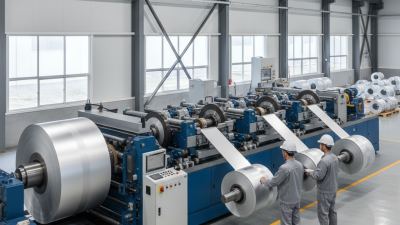
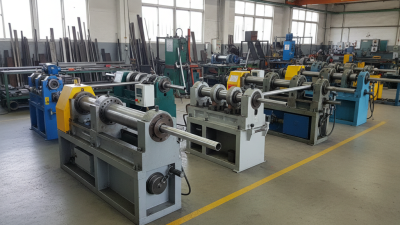
Aluminum slitter machines are vital in processing aluminum coils. They slice large rolls into narrower strips, meeting diverse industry needs. Industries like automotive, construction, and packaging heavily rely on these machines. The demand for aluminum has increased significantly, driven by its lightweight and corrosion-resistant properties. According to industry reports, the global aluminum market is projected to reach 233 million metric tons by 2025. This trend boosts the need for efficient slitting solutions.

Different types of slitter machines exist, each designed for specific applications. Some are optimized for high-speed operations, while others cater to precision cutting. A notable consideration is the material thickness, which affects the machine settings. Operators must understand their production requirements to maximize efficiency.

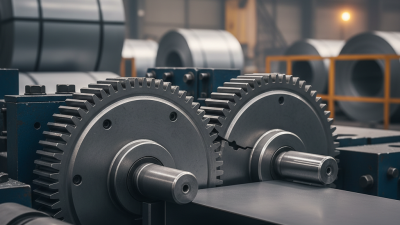
Tip: Regular maintenance is essential for optimal performance. Neglecting upkeep can lead to costly downtimes. Watch for signs of wear on blades and rollers.

Investing in a quality machine is important. The initial cost may seem high, but efficiency gains can justify the price. Research potential suppliers and reviews. Aim for a machine that matches your production capacity. It's not just about price; consider the long-term benefits.

Key Features to Consider When Choosing an Aluminum Slitter Machine

When selecting an aluminum slitter machine, potential buyers should focus on several key features. The thickness and width capacity of the machine are crucial. Understand the range of aluminum materials you will process. Machines vary in their handling capabilities, and choosing the right one ensures efficiency. Some buyers overlook this aspect, which can lead to operational issues down the line.

Speed and precision are also vital considerations. Look for machines that offer adjustable speeds. This flexibility allows you to adapt to different production needs. Precision is equally important to minimize waste and ensure product quality. Many users report difficulties with inconsistent cutting, so keep this feature in mind.

Lastly, consider the machine's maintenance requirements. Machines with complex setups may require frequent repairs. Simpler designs can often enhance reliability and reduce downtime. Reflect on your production demands before making a decision. Balancing features with your budget is essential. This approach will lead to a better long-term investment.

Best Aluminum Slitter Machine for Global Buyers Searching? - Key Features to Consider When Choosing an Aluminum Slitter Machine

Feature Description Importance
Cutting Thickness The maximum thickness of aluminum sheets the machine can handle. High
Speed The operational speed of the machine measured in meters per minute. High
Width Capacity The maximum width of the aluminum sheets that can be processed. Medium
Control System Type of technology used for operational control (e.g., PLC, touch screen). High
Precision Accuracy in cutting and the ability to maintain tight tolerances. High
Ease of Maintenance Designed for quick access to components for regular maintenance. Medium
Safety Features Built-in safety mechanisms to protect operators during operation. High

Top Manufacturers of Aluminum Slitter Machines in the Global Market

In the global market, the demand for aluminum slitter machines is rising. These machines play a vital role in industries like packaging, automotive, and construction. They are essential for processing aluminum into precise widths and lengths. Buyers should focus on the manufacturers offering advanced technology and reliable support.

Several top manufacturers are recognized for their quality and innovation. These companies have years of experience and expertise in producing high-performance slitter machines. Their machines often feature user-friendly interfaces and energy-efficient operations. However, not all machines deliver consistent performance. Some models may struggle with precision, leading to waste.

It's important for buyers to understand their specific needs before purchasing. Evaluating the technical specifications of each machine can prevent dissatisfaction. Additionally, considering after-sales support is crucial for maintaining the machine's longevity. Engaging with manufacturers directly can reveal insights into their reliability. This helps in making informed decisions that suit varying production requirements.

Comparative Analysis of Different Types of Aluminum Slitter Machines

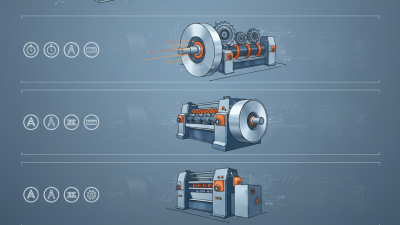
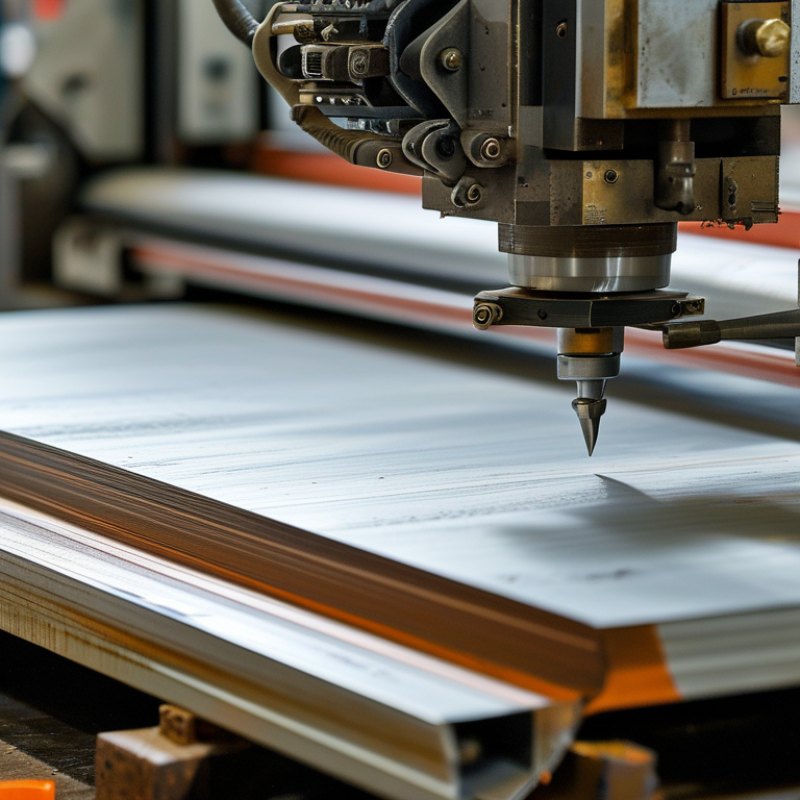
When exploring aluminum slitter machines, it’s vital to understand the different types available and their specific applications. The most common types are rotary slitter and shear slitter machines. Rotary slitters use circular blades, making them suitable for high-speed operations in industries requiring thick aluminum sheets. According to a 2022 industry report, rotary slitting machines account for around 60% of the market due to their efficiency.

On the other hand, shear slitter machines employ straight blades, offering a cleaner cut for thinner materials. They are often preferred for precision work. Interestingly, while they have a lower operational speed, they boast better accuracy for specific applications. An analysis from the Metal Processing Journal indicated that the demand for precision shears has increased by 25% over the past five years, reflecting shifts in manufacturing priorities.

Despite these advantages, both types exhibit limitations. Rotary slitters may struggle with very thin materials, causing jagged edges. Meanwhile, shear slitters can be slower, potentially affecting overall productivity in larger operations. Understanding these nuances can assist buyers in making informed decisions based on their specific needs and operational contexts.

Comparative Analysis of Aluminum Slitter Machines

Maintenance Tips for Optimal Performance of Aluminum Slitter Machines

Aluminum slitter machines are vital in manufacturing and processing. To achieve optimal performance, maintenance is crucial. Regular checks can prevent unexpected failures and extend equipment life.

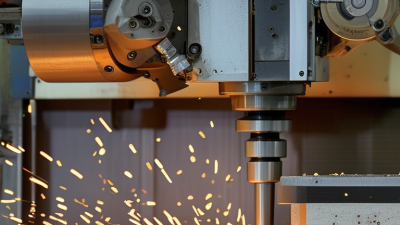
Conduct daily inspections to catch issues early. Ensure blades remain sharp to avoid jagged edges and material waste. Regularly clean the machine to remove aluminum residues that can affect performance. If you notice unusual sounds, it's time to investigate. Listening closely can help identify parts needing attention.

Proper lubrication is key for smooth operation. Use the right lubricants as specified in your machine’s manual. Over-lubrication can attract dirt, while under-lubrication causes excessive wear. Schedule monthly or quarterly maintenance to assess overall condition, including electrical components. Ignoring these aspects can lead to costly repairs down the line.