

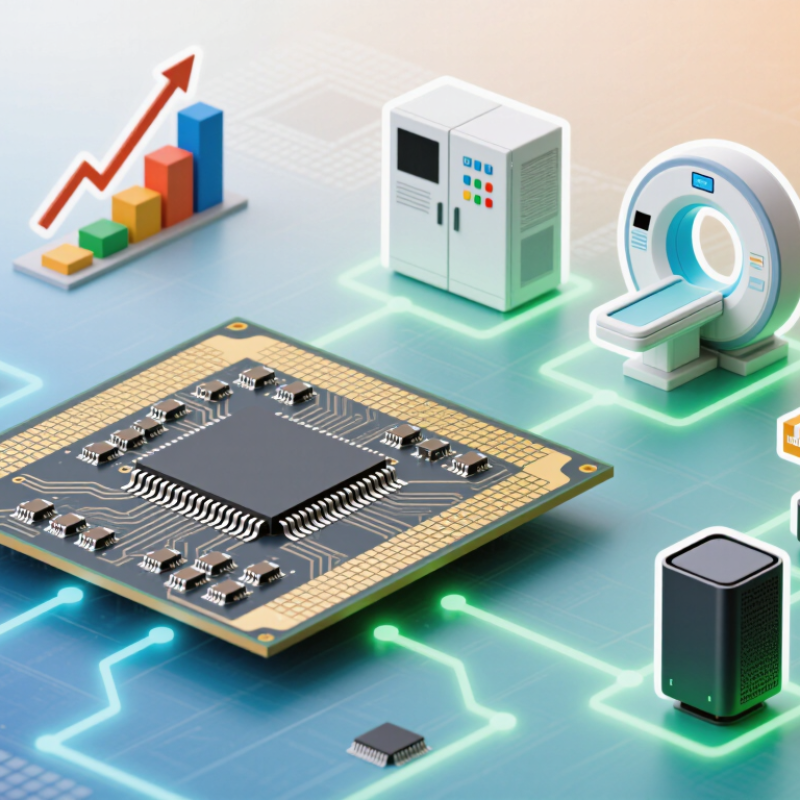
High-density FPGA integrated circuits can simplify global sourcing when one device replaces several smaller processors. A leading platform reaches 35 million logic cells and 3,840 DSPs. That scale gives engineers room for parallel signal processing, image pipelines, and real-time control. It also reduces board complexity, connector count, and potential failure points.
In practical evaluations, density matters most when workloads grow after deployment. Engineers can reserve logic capacity for encryption, sensor fusion, or future protocols. The large DSP count supports intensive filtering and matrix operations without forcing every task into software. Still, raw capacity can mislead. A design may fit logically, yet fail thermal, timing, or power targets. Careful floorplanning and early simulation remain essential.
Global procurement adds another layer. Teams should verify lifecycle status, authorized distribution, packaging quality, and regional support before approving a design. A high-density device may shorten development, but it can increase verification effort. I have seen projects underestimate thermal airflow and pin-planning constraints. That mistake is expensive to correct. Reliable sourcing therefore depends on engineering evidence, not impressive specifications alone. Samples, independent test data, and documented manufacturing controls provide stronger confidence than a single density figure.