

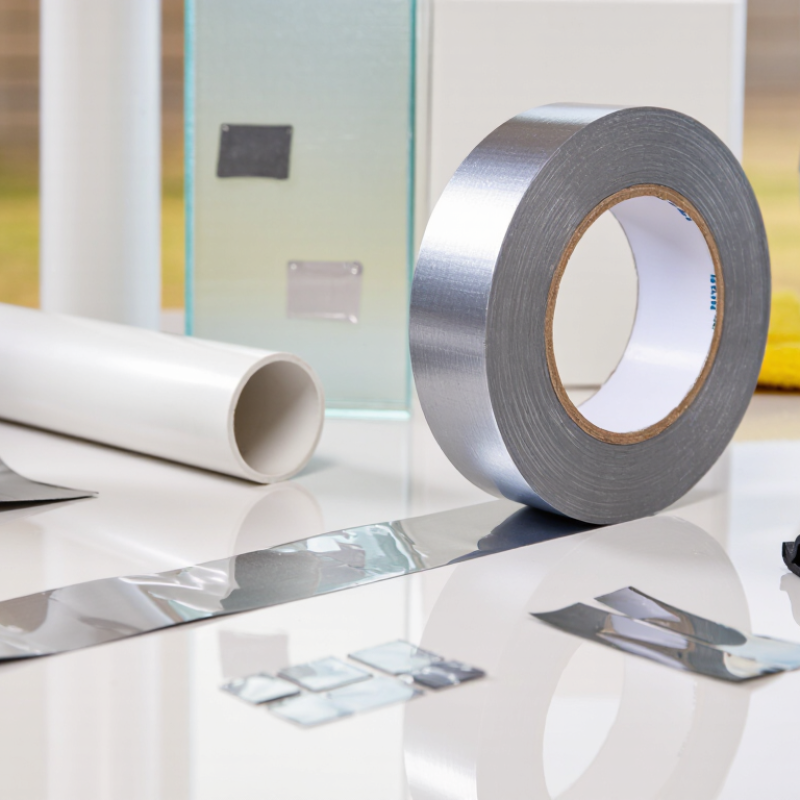
The best weatherproof tape from China is not chosen by appearance alone. Long-term resistance depends on adhesive chemistry, backing material, and test conditions. Reliable evaluations often include ASTM D1000 for pressure-sensitive tape properties, ASTM G154 for accelerated UV exposure, and ASTM D2247 for humidity resistance. These tests can measure adhesion, tensile strength, and visible aging after controlled exposure.
However, no single standard proves permanent outdoor performance. A tape may survive UV lamps but fail after repeated freezing and thawing. Good suppliers should provide test dates, sample thickness, exposure hours, temperature ranges, and laboratory details. Ask whether testing used aluminum, glass, painted metal, or another real installation surface. Results can change sharply between substrates. I have seen impressive laboratory numbers become ordinary on dusty concrete.
Tips:
- Request independent reports, not only internal charts.
- Check peel adhesion before and after aging.
- Examine edge lifting after water immersion.
- Confirm batch traceability and storage conditions.
- Small samples matter.
Field trials add practical evidence. Apply the tape to clean outdoor panels, then inspect it monthly through heat, rain, and cold periods. Record peeling, cracking, residue, and color changes. A useful trial lasts several months, although accelerated testing can reveal weaknesses faster. Be cautious with claims such as “lifetime waterproof.” They often lack a defined climate, load, or service period. The strongest evidence combines recognized standards, transparent laboratory records, and real-world observations.