

Scroll Top
4801 Bennett Rd. Toledo, Ohio 43612

Top 10 Steel Warehouse Suppliers in China for Global Buyers?

The steel warehouse industry is a crucial component of global commerce. According to a recent report by MarketsandMarkets, the global steel market was valued at $1.1 trillion in 2022 and is expected to grow steadily. This presents a significant opportunity for buyers seeking reliable suppliers.

Industry expert Dr. Elena Ross, a well-respected figure in material sciences, emphasizes, "The choice of warehouse supplier can impact not just costs but also quality and delivery times." Her insights highlight the importance of selecting the right partner in a competitive market. While many suppliers exist, identifying those who maintain high standards is imperative.

As the demand for steel warehouses rises, so do the challenges. Some suppliers might prioritize volume over quality. Hence, buyers must conduct thorough research. Lack of due diligence can lead to subpar material and delayed projects. The quest for reliable steel warehouse suppliers continues to shape the future of the industry.
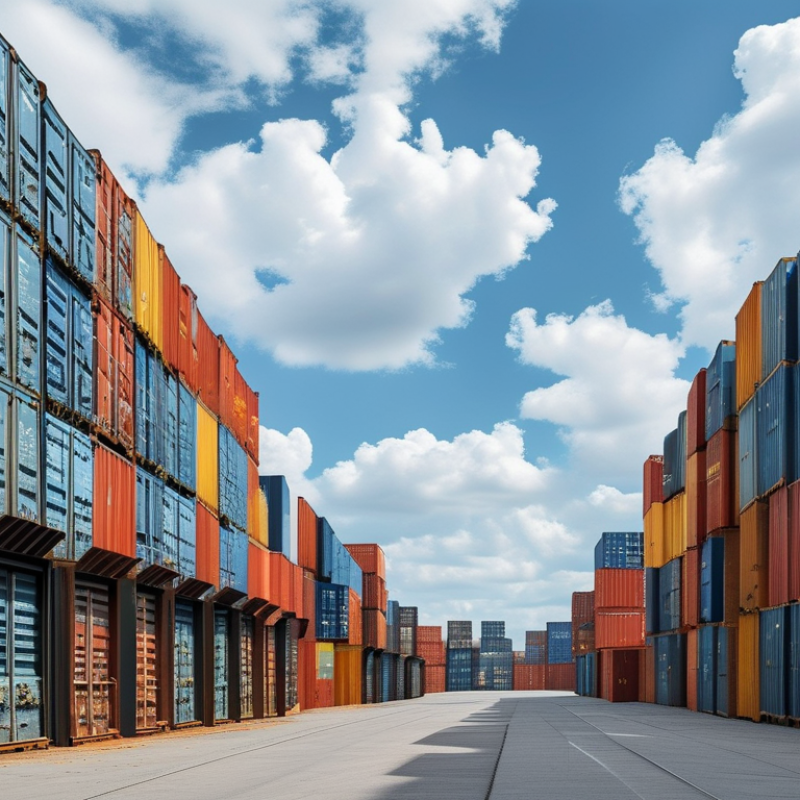
Top 10 Steel Warehouse Suppliers in China for Global Buyers?

Top 10 Steel Warehouse Suppliers in China: An Overview of the Market

The steel warehouse market in China is vast and competitive. Many global buyers turn to this market for reliable suppliers. These companies cater to various needs, including construction, manufacturing, and infrastructure. The prominence of steel in modern applications cannot be overstated. Quality assurance and timely delivery are crucial factors for buyers when selecting a supplier.

Not all suppliers meet the expectations. Some may offer lower prices but compromise on quality. It's essential to conduct thorough research to identify trustworthy partners. Buyer reviews and industry certifications can guide decisions. However, not every favorable review is genuine; some might be biased. Verification is key to a fruitful supplier relationship.

The landscape of steel suppliers in China is continuously evolving. Emerging trends include sustainability and technological innovation. More companies are adopting eco-friendly practices. This shift can impact pricing and availability. Global buyers must stay updated on these changes to make informed choices. Networking with industry experts can provide valuable insights into market dynamics.

Top 10 Steel Warehouse Suppliers in China for Global Buyers

Rank Supplier Type Annual Revenue (USD) Location Specialization
1 Manufacturer $500 million Shanghai Cold-rolled Steel
2 Wholesaler $300 million Beijing Stainless Steel
3 Distributor $250 million Guangzhou Alloy Steel
4 Manufacturer $400 million Tianjin Structural Steel
5 Trader $150 million Shenzhen Flat Steel Products
6 Wholesaler $200 million Hangzhou Reinforcing Bars
7 Distributor $180 million Nanjing Galvanized Steel
8 Manufacturer $350 million Chengdu Wires & Nails
9 Trader $120 million Xi'an Cold Rolled Coils
10 Manufacturer $280 million Hefei Wire Rods

Key Industry Statistics: China's Role in Global Steel Supply Chain

China plays a pivotal role in the global steel supply chain. In 2022, the country produced over 1 billion metric tons of steel, accounting for approximately 57% of the world's total output. This dominance positions China as a key player, shaping prices and availability in the international market. The increasing demand for steel in infrastructure projects further amplifies China's influence.

The global steel market is projected to experience significant growth. According to recent forecasts, global steel demand is expected to reach 1.9 billion metric tons by 2030. With ongoing developments in emerging economies, the need for steel, particularly in construction and automotive sectors, is crucial. China's ability to adapt and scale its production will be critical. However, challenges remain. Environmental regulations are tightening, prompting industry leaders to rethink production processes.

Trade tensions and fluctuating tariffs also contribute to market instability. Buyers around the world must navigate these complexities. Quality assurance and supplier reliability are paramount. Various reports suggest a rise in scrutinizing supply chains for sustainability and compliance. This shift may redefine how global buyers select their suppliers, especially from China.

Criteria for Selection: What Makes a Top Steel Warehouse Supplier?

When selecting a steel warehouse supplier in China, several criteria play a crucial role. Quality assurance is paramount. Suppliers must have a clear quality control process. Data shows that over 70% of global buyers prioritize suppliers with established certifications, such as ISO 9001. This emphasizes the need for reliable materials and consistent performance in various applications.

Cost-effectiveness is another vital criterion. Buyers often seek competitive pricing without compromising quality. A recent industry report indicated that suppliers who optimize their production processes achieve cost savings of up to 30%. This is essential for businesses looking to maintain profit margins while sourcing materials from overseas.

Additionally, the supplier's capacity for customization matters. Flexibility in order sizes and steel grades can differentiate leading suppliers. Many buyers report dissatisfaction when suppliers lack the ability to adapt to specific requirements. A focus on customer service cannot be overlooked. Suppliers who prioritize effective communication and support often foster stronger, long-term partnerships. These factors combined significantly enhance the supplier's reputation and reliability in the steel market.

Top 10 Steel Warehouse Suppliers in China: Comparative Analysis

This chart illustrates the comparison of key factors among the top steel warehouse suppliers in China. The metrics include product variety, delivery time, customer service rating, and pricing competitiveness.

Comparative Analysis: Services Offered by Leading Suppliers in China

When evaluating leading steel warehouse suppliers in China, specific service offerings are crucial. Many suppliers provide a range of logistics solutions, but not all excel in every aspect. For instance, while some companies focus on bulk shipping, others prioritize customized packaging. According to a recent industry report, 70% of global buyers prefer suppliers that offer integrated supply chain services. This trend indicates a growing demand for holistic solutions rather than isolated services.

Quality assurance remains a significant concern. Many suppliers claim to meet international standards, but verification processes can vary. Reports suggest that about 30% of suppliers lack consistent quality checks, which raises potential risks for buyers. Furthermore, the response time for customer inquiries is another vital factor. Research shows that suppliers with efficient communication systems can increase buyer satisfaction by up to 40%. Yet, some leading players still struggle with timely responses, reflecting a gap between capability and execution.

Moreover, technological adoption is essential for modern suppliers. Over 50% of top suppliers leverage automation for inventory management, but there are still many who rely on outdated systems. This reliance can hinder efficiency and accuracy in order fulfillment. Buyers are increasingly looking for partners who not only meet their immediate needs but also adapt to evolving market demands. Understanding the strengths and weaknesses across the board is key to making informed decisions in selecting a steel warehouse supplier.

Future Trends: The Evolution of Steel Supply Chains in Global Markets

The evolution of steel supply chains in global markets is marked by significant changes. Industry experts notice a shift toward sustainability. More suppliers prioritize eco-friendly practices. These efforts impact procurement decisions in various sectors. Buyers increasingly seek suppliers that align with environmental standards. This trend drives innovation within the industry.

Digitalization plays a crucial role in transforming supply chains. Many companies are adopting advanced technology to enhance efficiency. Real-time tracking systems provide transparency. This enables buyers to make informed decisions quickly. However, reliance on technology brings concerns about data security. The challenge lies in balancing efficiency with risk management.

Global trade dynamics also affect supply chains. Geopolitical factors can disrupt logistics and availability. Emerging markets are becoming vital players. They offer competitive pricing and diverse options. Nonetheless, this can lead to fluctuating quality standards. Buyers face the dilemma of navigating these complexities. Continuous monitoring and adaptability are essential for success in this evolving landscape.