

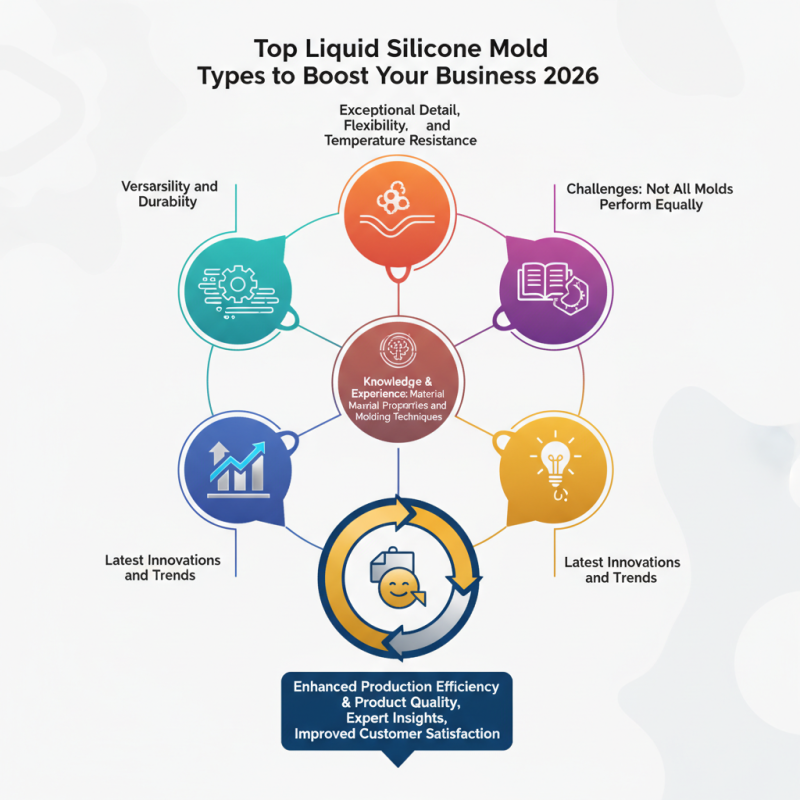
In the competitive landscape of 2026, understanding the various types of liquid silicone mold is crucial for business growth. These molds have gained traction for their versatility and durability. Many businesses are recognizing the benefits they bring to production processes. Liquid silicone mold offers exceptional detail, flexibility, and temperature resistance. This makes them ideal for a wide range of applications.
However, not all molds perform equally. Some might not meet specific project requirements or production goals. Identifying the best type can be a challenge. It requires both knowledge and experience in material properties and molding techniques. As industries evolve, the demand for high-quality silicone molds increases. Professionals must stay updated on the latest innovations and trends.
Investing in the right liquid silicone mold can enhance production efficiency and product quality. Yet, businesses should avoid rushing into decisions without proper research. Understanding market demands and mold capabilities is essential for long-term success. Engaging with experts in the field may provide valuable insights. Exploring various mold types can ultimately lead to better product offerings and improved customer satisfaction.
Liquid silicone molds play a vital role in modern manufacturing. They provide unmatched flexibility and precision. This adaptability makes them ideal for various products, from automotive parts to medical devices. Their ability to handle complex shapes is a game-changer for designers and engineers alike.
One of the key benefits of liquid silicone molds is their durability. They can withstand high temperatures and harsh chemicals. This means longer production runs and reduced costs over time. However, this durability is not without its challenges. Ensuring the right formulation and curing process requires expertise. If the process is rushed, it can lead to product defects.
**Tips:** Always perform thorough testing on your molds. This can help identify any weaknesses early. Regularly revisit your manufacturing techniques to improve efficiency. Keep an eye on new innovations in silicone materials. Staying updated can provide a competitive edge. Remember, not every mold works perfectly the first time. Learn from mistakes and adapt.
| Mold Type | Material Characteristics | Typical Applications | Estimated Market Growth (%) |
|---|---|---|---|
| High-Temperature Silicone Molds | Resistant to high temperatures, durable | Automotive parts, medical devices | 10% |
| Food-Grade Silicone Molds | Non-toxic, FDA compliant | Baking, food packaging | 15% |
| Clear Silicone Molds | Transparent, flexible | Crafting, jewelry making | 12% |
| Biodegradable Silicone Molds | Eco-friendly, compostable | Green products, packaging | 20% |
| Multi-Cavity Silicone Molds | High production efficiency | Consumer goods, electronics | 18% |
Liquid silicone molds are transforming multiple industries due to their versatility and efficiency. In the manufacturing sector, these molds allow for the production of intricate parts with precision. This accuracy leads to reduced waste and costs, making them a top choice. Various industries, from automotive to healthcare, can benefit greatly from using these molds.
In the food industry, liquid silicone creates safe and flexible molds for baking and candy making. These molds can handle high temperatures and are easy to clean. Artists and craftsmen also find these molds useful for creating unique designs in resin casting. However, there's a challenge: ensuring the right silicone material is selected for each application. Mistakes here can lead to unsatisfactory products or costly rework.
Different liquid silicone types cater to specific applications. For instance, some mixtures produce harder molds, perfect for detailed work. Others remain softer, making them ideal for artistic projects. Balancing functionality with durability tends to be an ongoing struggle. Finding the right balance is critical for success. Each industry must evaluate its needs carefully, as improper choices can impact production rates significantly.
Choosing the right liquid silicone mold is crucial for your business. Start by considering the specific products you aim to create. Do you need molds for intricate designs or simple shapes? Understanding your end goal will guide your selection.
Material is another important factor. Liquid silicone molds are durable and flexible, but quality can vary. Researching different types will help. You might realize that some molds do not perform as expected. This reflection is key when striving for excellence in product development.
Evaluate the production process. How many molds do you need? Consider the timeline for delivery. Some suppliers may promise quick turnaround but may not meet quality expectations. Take the time to assess feedback from other users, as this will provide valuable insights into their performance and reliability.
This chart illustrates the popularity of different types of liquid silicone molds, which are essential for various manufacturing processes. Understanding these trends can help you select the right molds tailored to your business needs in 2026.
Liquid silicone molds are revolutionizing product development across various industries. These molds offer flexible and durable solutions that meet diverse consumer needs. Recent reports highlight a 25% annual growth rate in the liquid silicone market. This surge indicates a rising demand for innovative applications.
The versatility of liquid silicone allows manufacturers to create complex shapes with precision. Industries like automotive, medical, and consumer electronics are integrating these molds for prototypes and final products. For instance, in medical devices, silicone molds can produce intricate components with consistent properties. This can enhance product reliability and safety.
Despite their advantages, challenges exist. The curing process can be complex, leading to inconsistencies in the final product. Manufacturers must stay informed about the latest techniques to minimize issues. Continuous improvement is vital to harness the full potential of liquid silicone molds, driving craftsmanship and innovation forward.
As we look toward 2026, liquid silicone mold technology is rapidly evolving. According to a recent industry report, the liquid silicone rubber (LSR) market is projected to grow at a compound annual growth rate (CAGR) of 7.8% from 2022 to 2030. This growth indicates increasing demand across various sectors. Healthcare applications, particularly, are expected to drive significant advancements. Silicone molds are becoming more versatile, efficiently producing intricate designs with heightened precision.
The trend towards automation in mold production is gaining momentum. Automated processes reduce labor costs and enhance consistency. Experts suggest that 79% of manufacturers are exploring automation. However, one must consider the challenge of initial investment in advanced machinery. Adopting new technologies may require financial and strategic adjustments.
Sustainability is also a critical focus. The industry is shifting towards eco-friendly materials. Analysts report that 37% of consumers are now prioritizing sustainable products. However, implementing sustainable practices in mold production poses challenges. Balancing cost, efficiency, and environmental responsibility remains a complex task for manufacturers. This ongoing struggle illustrates that the journey towards innovation is rarely straightforward.
