

In recent years, the demand for Industrial PCs has surged globally, especially in China. With the country being a manufacturing powerhouse, buyers are keen to discover the best options available. As noted by industry expert Alex Zhang, "Selecting the right Industrial PC can greatly enhance operational efficiency and productivity." This insight underscores the significance of making informed choices.
China offers a diverse range of Industrial PCs tailored for various applications. From robust designs to advanced processing capabilities, buyers must evaluate their specific needs. Factors such as environmental resistance and compatibility with existing systems play an essential role in decision-making. However, not every product meets the high standards expected in rigorous industrial settings.
It's crucial to consider both reputation and specifications before purchasing. Some brands may excel in performance but lack long-term reliability. On the other hand, a well-established brand may not always lead the market in innovation. This complexity makes selection challenging. It emphasizes the necessity for thorough research and expert guidance when navigating the evolving market of Industrial PCs.
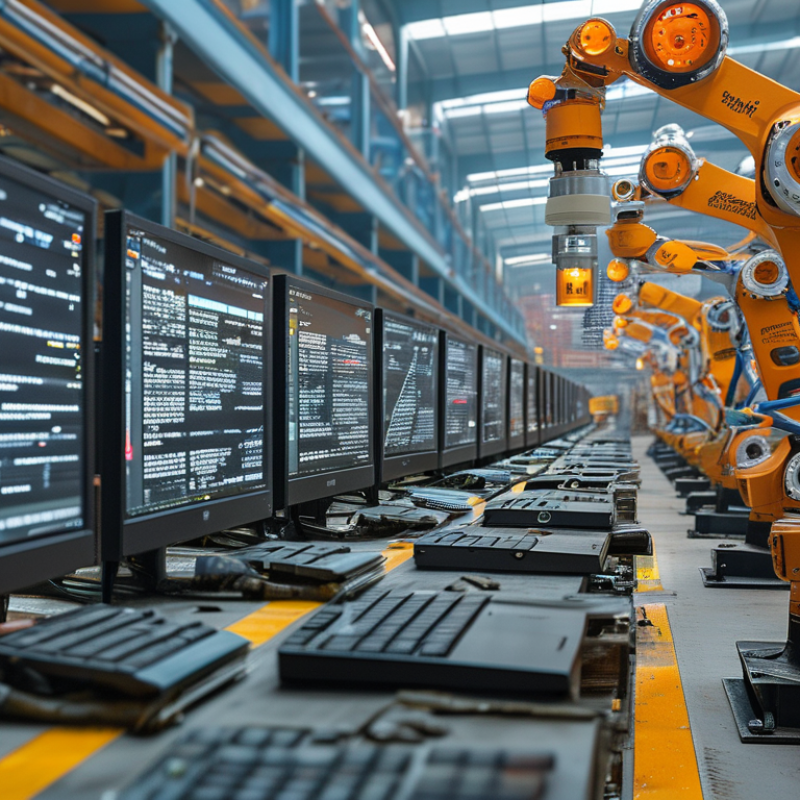
The industrial PC market in China has seen rapid growth in recent years. Reports indicate a compound annual growth rate of over 10% from 2020 to 2023. This growth is driven by increased automation in manufacturing and the demand for reliable computing solutions. Many industries, such as automotive, electronics, and food processing, are adopting industrial PCs for their robust performance.
Several trends shape this market. First, there is a shift towards edge computing. Industrial PCs are increasingly used for data processing at the source. This minimizes latency and enhances real-time decision-making in critical environments. Another trend involves the integration of AI and IoT technologies. These advancements improve maintenance efficiency and reduce downtime.
Despite these positive trends, challenges exist. The complexity of customization for specific industries can make procurement difficult. Additionally, some buyers are concerned about compatibility with existing systems. The market is still adjusting to these demands, indicating areas for improvement. As global buyers navigate this landscape, the focus on reliability and technical support remains paramount.
The industrial PC market in China is rapidly evolving, showcasing a variety of manufacturers with varying market shares. This landscape offers global buyers many options. It's essential to understand the strengths of different players to make informed decisions. Many companies emphasize durability, performance, and energy efficiency. These features are crucial for demanding industrial environments.
In China, some manufacturers dominate the scene. They often invest heavily in research and development. This allows them to innovate and tailor products to meet specific industry needs. However, the competition is stiff. Smaller firms also contribute by providing niche solutions. Their offerings sometimes lack the reliability or performance of the larger brands. Yet, they can be more flexible and cost-effective.
When exploring options, buyers may notice inconsistencies in product quality and support standards. Evaluating customer feedback and product reviews is vital. Some manufacturers might claim superior technology but fail to deliver consistent performance. Engaging directly with user communities can offer insights that statistics alone cannot. Ultimately, due diligence is key in navigating this complex market.
When selecting an industrial PC, processing power and reliability are crucial for global buyers. The performance of an industrial PC impacts productivity and efficiency in various applications. Many models are designed to handle intense workloads while maintaining stability. Additionally, some have advanced cooling systems to manage heat effectively.
Tips for buyers include assessing the processor type and its capabilities. Look for multi-core processors that can handle parallel tasks efficiently. Moreover, memory capacity should not be overlooked; devices with higher RAM can significantly boost performance in data-heavy operations.
Reliability is equally important. It’s vital to consider the operating temperature range and dust resistance. Industrial PCs should be built to thrive in harsh environments. Not all models meet these standards, so careful research is necessary. Some brands may promise high performance but fail in long-term durability. Always prioritize options that offer extended warranties and support.
In 2024, technological innovations in Chinese industrial PCs are set to make waves in global markets. Advancements in processing power and energy efficiency are key trends. Manufacturers are focusing on edge computing capabilities to enhance performance. This shift allows for real-time data processing, a crucial feature for industries like manufacturing and automation.
With the rise of AI integrations, expect smarter industrial PCs. These devices will be capable of predictive maintenance, reducing downtime. More sensors are being incorporated, enabling better monitoring of hardware health and productivity. Such developments promise to significantly improve operational efficiency.
When considering a purchase, prioritize compatibility with existing systems. Ensure the industrial PC can easily integrate with current technology. It's also vital to pay attention to vendor support and warranty options. Sometimes, companies overlook these factors, leading to issues down the line. Evaluate the longevity of support offered, as this can impact overall productivity.
When global buyers seek industrial PCs from China, several factors stand out. Cost remains a crucial consideration. Competitive pricing can make a big difference in overall budget and project feasibility. However, it's essential not to compromise too much on quality. Cheaper models may save money upfront but could lead to higher long-term costs due to frequent maintenance or early failures.
Support is another critical aspect. Technical assistance can vary significantly across suppliers. Buyers need reliable customer service to solve issues quickly. Look for vendors with a strong support framework and positive reviews. A short response time for inquiries is a valuable indicator of good service.
Compatibility with existing systems also plays a significant role. Ensure that the selected models will integrate smoothly with current technologies. Some products may require additional software or hardware adaptations. This could result in unexpected expenses. Conducting thorough research can help buyers avoid pitfalls related to compatibility and integration challenges.
Remember to assess long-term value over initial costs. It’s wise to evaluate the total life cycle of the product, not just the purchasing price. Consider these elements when selecting an industrial PC to ensure it meets your operational needs and supports your long-term goals.
