

In the world of material handling, sourcing high-quality Forklift Cylinders is crucial for optimal performance. Forklift cylinders play a vital role in lifting heavy loads and ensuring the safety of operations. When looking for reliable suppliers, China stands out as a leading manufacturer.
With numerous companies specializing in forklift cylinder production, it can be overwhelming to choose the right one. Each manufacturer claims excellence, but not all meet industry standards. Factors such as quality control, innovation, and customer support are paramount when evaluating options.
This guide highlights the top ten forklift cylinder manufacturers in China. By examining their strengths and weaknesses, you can make informed decisions. It is essential to consider both performance and reliability. After all, your operations depend on these components. The right choice will enhance productivity while ensuring safety in the workplace.
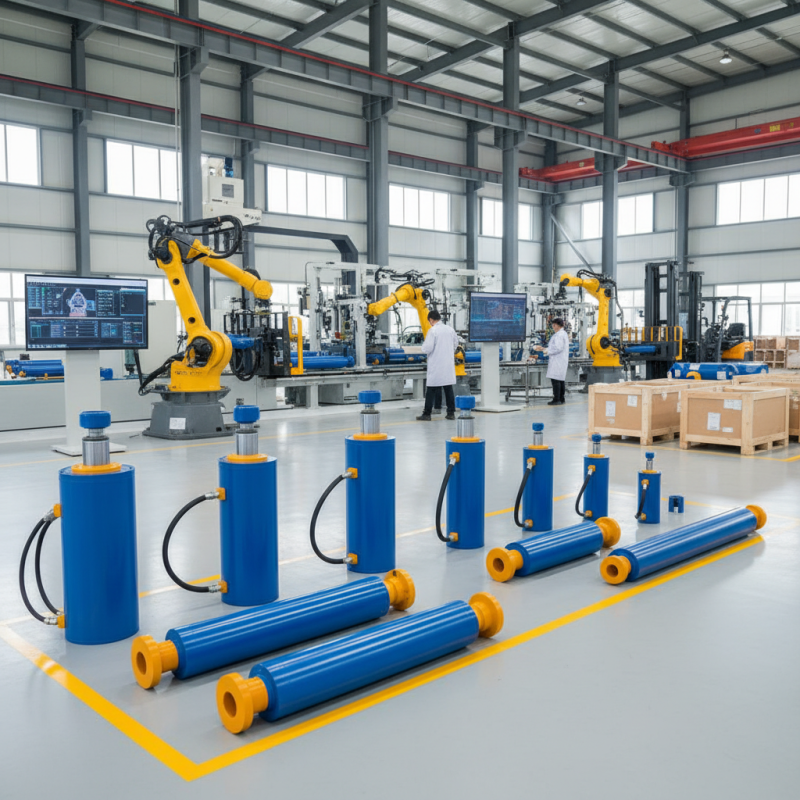
The forklift cylinder manufacturing industry in China has experienced rapid growth over the past decade. In 2022, the market was valued at around $3 billion, reflecting increasing demand for material handling equipment. The rise of e-commerce and logistics sectors has driven this growth. More companies require efficient solutions for warehouse operations.
Manufacturers in China focus on advanced technologies to enhance product quality. Many invest heavily in research and development. Reports indicate that over 50% of companies have adopted automated production processes. This transition helps reduce costs and improve consistency. However, maintaining quality amid rapid production can be challenging. Some manufacturers struggle with quality control, leading to concerns about product reliability.
The competitive landscape is intense. A large number of small to medium-sized enterprises strive to enter the market. Many players face pressure to innovate while keeping prices low. According to industry analysts, about 30% of smaller companies may not survive in this market. There is a need for ongoing improvement in materials and sustainability practices to be viable.
Selecting reliable forklift cylinder manufacturers requires careful consideration. Start by evaluating their experience in the industry. A company with several years of operation typically has a track record of quality. Look for factories that have invested in technology and training for their workers. This usually results in higher production standards.
Quality assurance processes can significantly impact reliability. Manufacturers should follow international quality standards. Check if they hold certifications that validate their methods and materials. Understanding where they source their materials is also critical. Suppliers should be reputable to ensure the longevity of the products.
Transparency in communication is another key factor to consider. Reliable manufacturers should provide detailed information about their products. This includes specifications, testing methods, and lead times. If responses are vague or delayed, it may be a red flag. A visit to the factory, if possible, can provide insight into their operations and work culture, revealing their commitment to quality.
When sourcing forklift cylinders in China, considering the right manufacturers is crucial. The forklift cylinder market has shown significant growth, creating opportunities for various suppliers to emerge. A 2022 industry report indicated that the global forklift market is projected to grow by 17% from 2023 to 2028. This expansion highlights the increasing need for reliable components, including hydraulic cylinders.
Top manufacturers often focus on innovation and quality. Many prioritize research and development to enhance product durability and efficiency. Reliable data suggests that robust design and performance testing significantly impact user satisfaction. However, finding a reliable manufacturer can be challenging. Some suppliers may struggle with meeting strict international quality standards. This inconsistency can lead to frustrations for businesses relying on these crucial components.
Additionally, suppliers in China differ significantly in terms of capabilities. Some specialize in large-scale production, while others may excel in customization for specific applications. It's essential to evaluate the manufacturer's expertise and product offerings carefully. A thorough analysis can prevent costly mistakes and ensure a smooth supply chain.
| Manufacturer Location | Product Range | Key Technologies | Export Markets | Certifications |
|---|---|---|---|---|
| Wuxi, Jiangsu | Hydraulic Cylinders, Seal Kits | Precision Machining, CNC Technology | North America, Europe | ISO 9001, CE |
| Hangzhou, Zhejiang | Pneumatic Cylinders, Custom Solutions | Hydraulic Testing, Advanced Welding | Asia, South America | TS16949, ISO 14001 |
| Shenzhen, Guangdong | Telehandlers, Attachments | Automation, IoT Integration | Middle East, Africa | API, OSHA |
| Shanghai | Forklift Cylinders, Heavy Equipment | Robotic Assembly, Laser Cutting | Australia, Canada | ISO 45001, CE |
| Guangzhou, Guangdong | Oil & Gas Cylinders, Specialty Cylinders | High-Pressure Technology, Quality Control | Europe, Asia-Pacific | ISO 9001, API |
| Tianjin | Industrial Cylinders, Short Run Production | Lean Manufacturing, Custom Fabrication | North America, South America | CE, ISO 14001 |
| Chongqing | Forklift Components, Agricultural Cylinders | Forging, CNC Machining | Central Asia, Southeast Asia | ISO 9001, OHSA |
| Nanjing, Jiangsu | Construction Equipment Cylinders | Hydraulic System Design, Prototyping | US, EU | ISO 45001, CE |
| Suzhou, Jiangsu | Cylinders for Auto Industry, Custom Solutions | Robotic Welding, CNC Milling | Global, US | TS16949, ISO 9001 |
When sourcing forklift cylinders from China, quality and pricing are critical factors. The market features numerous manufacturers, each presenting unique offerings. Reports indicate that the market share of significant players can vary widely, with some commanding as much as 40% in specific regions. This concentration suggests the potential for significant discrepancies in pricing and quality standards.
Several manufacturers focus on adopting advanced materials and precise engineering processes. Data from industry surveys show that cylinders produced with high-strength steel can have a 20% longer lifespan compared to standard alternatives. However, the cost for such cylinders could be 15-25% higher. Buyers often face a trade-off between immediate savings and long-term reliability.
Performance tests show that not all manufacturers maintain stringent quality control. A surprising 30% of products may not meet industry standards, leading to potential safety risks. This inconsistency highlights the necessity for buyers to conduct thorough assessments. Key metrics include not just pricing but also warranty terms, return rates, and performance guarantees. Balancing these factors can lead to informed sourcing decisions.
The forklift cylinder market in China is evolving rapidly. As the demand for efficient material handling solutions grows, manufacturers are adapting to new technologies. One significant trend is the shift towards electric forklifts. These models require advanced hydraulic systems, including innovative cylinders. This shift underscores the importance of reliable suppliers who can provide high-quality components.
Tip: When sourcing, prioritize suppliers with a strong track record and quality certifications. Look for those who are open about their manufacturing processes. Transparency builds trust.
Another trend is sustainability. Manufacturers are increasingly focusing on eco-friendly materials and processes. The use of recyclable materials can significantly reduce the environmental impact. Additionally, energy-efficient designs are becoming standard. This move not only benefits the environment but can also enhance operational efficiency.
Tip: Research suppliers who are committed to sustainability. Their efforts can lead to better collaboration and compliance with future regulations.
However, challenges persist. The market can be uncertainty-driven, influenced by economic shifts and trade policies. It is vital for buyers to remain adaptable and ready to pivot as needed. Regularly evaluating supplier performance is crucial in this dynamic environment.
