
In the competitive landscape of manufacturing, understanding the features of a rolling mill machine is crucial for global buyers. These machines have evolved significantly, integrating advanced technology to enhance efficiency and precision. Buyers must be well-informed about essential characteristics when making a purchase.
The top 10 features include adaptability, productivity, and durability. Buyers should not overlook the importance of operator safety and ease of maintenance. Each feature significantly impacts overall performance and cost-effectiveness. It's essential to engage with reliable suppliers who prioritize quality. However, distinguishing between genuine innovations and marketing gimmicks can be challenging.
Often, buyers may rush into decisions, influenced by flashy advertisements. It's vital to take a step back and critically assess each feature's relevance to specific operational needs. By focusing on these key attributes, global buyers can make informed choices, ensuring they invest in the right rolling mill machine that meets their requirements.
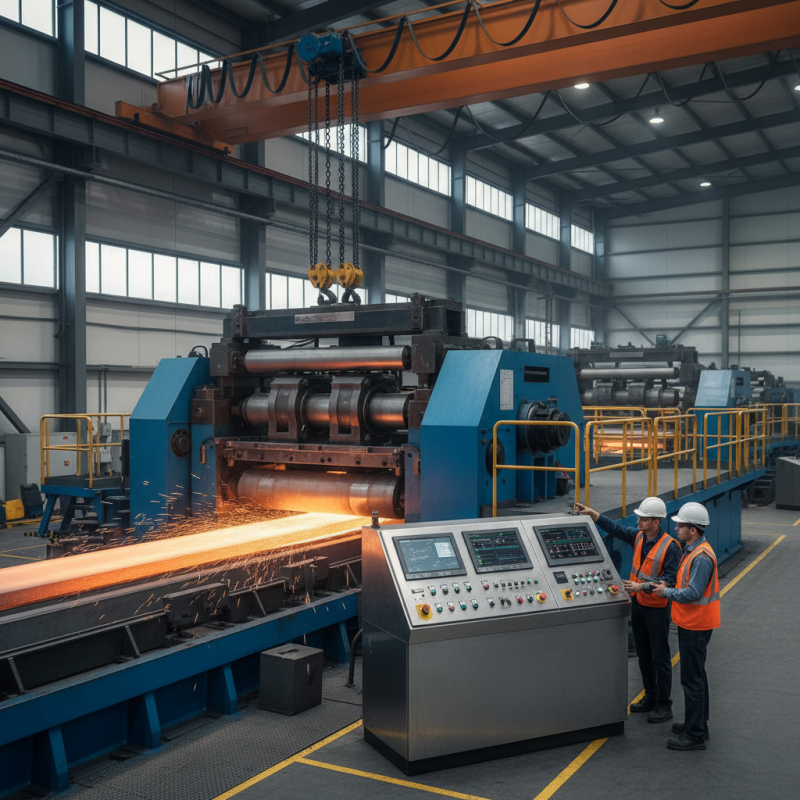
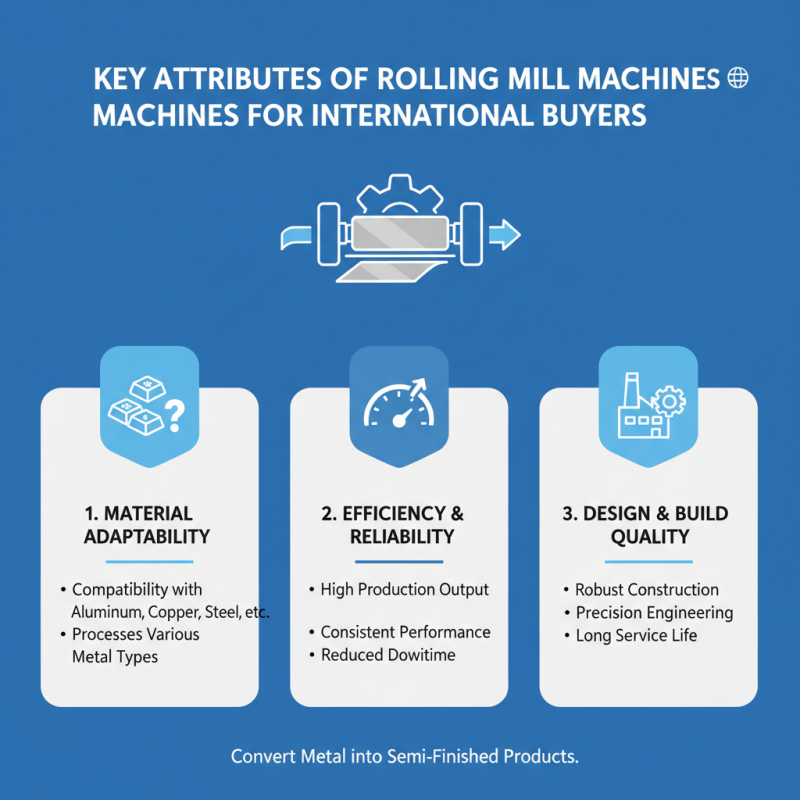
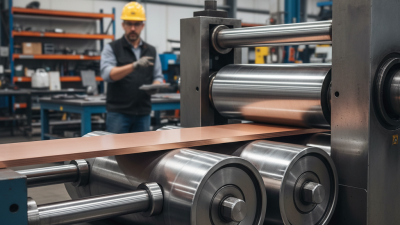
When considering rolling mill machines, international buyers should pay attention to key attributes that ensure efficiency and reliability. These machines are designed to convert metal into semi-finished products. One crucial feature is the machine’s adaptability to various materials. Buyers need to confirm compatibility with aluminum, copper, or other metals.
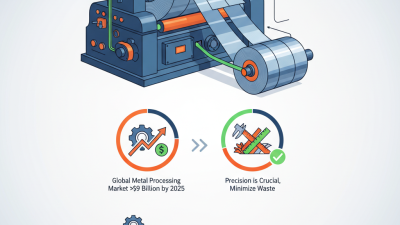
Another important aspect is precision. An effective rolling mill should provide consistent thickness across the strip. This minimizes waste and enhances product quality. Moreover, the machine's energy efficiency is increasingly vital. It can significantly lower operational costs and reduce environmental impact.
Tips: Always evaluate the machine’s technical specifications. An in-depth review can reveal its performance limitations and advantages. Partnerships with experienced consultants may further guide your decision-making process.
Finally, look for equipment with advanced automation features. These can help streamline operations and reduce labor costs. Remember that user feedback is a valuable tool. Reviews can uncover potential issues not evident in product descriptions. Factoring in these attributes can lead to informed choices and successful investments.
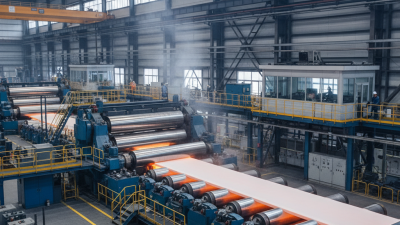
Rolling mill machines come in various types, each designed for specific applications in metal processing. Traditional mills, known as hot rolling mills, operate at elevated temperatures, making them ideal for shaping metals like steel and aluminum. Cold rolling mills, on the other hand, work at room temperature. This process improves surface finish and dimensional accuracy. Both types have strengths, but they also come with limitations that buyers must consider.
Another key type is the cluster mill, featuring multiple rolls that can process very thin sheets of metal. These machines are essential in producing materials used in industries like aerospace and automotive. Each rolling mill type varies in capability, such as speed, roller configuration, and material compatibility. For instance, a four-high rolling mill has two smaller rolls on the top and bottom, improving control and reducing the required force.
Buyers often face challenges in selecting the right machine. They need to weigh factors like production volume, maintenance costs, and energy efficiency. Not every feature may align perfectly with their needs. Understanding the unique characteristics of each type can aid decision-making but requires careful assessment.
| Feature | Description | Type | Application |
|---|---|---|---|
| Roll Material | High-quality steel or alloy for durability | Flat Rolling Mill | Metal sheets production |
| Automation Level | Fully automated systems for efficiency | Cold Rolling Mill | Precision metal parts |
| Thickness Control | Advanced sensors for accurate thickness measurement | Hot Rolling Mill | Structural components |
| Cooling System | Effective cooling for process stability | Section Mill | Beams and channels |
| Power Consumption | Low energy consumption models | Strip Mill | Thin strips of metal |
| Size Range | Versatile size options for various products | Plate Mill | Large plates for shipbuilding |
| Safety Features | Emergency stops and guards to protect operators | Reversing Mill | Various rolling applications |
| Control System | User-friendly interfaces for ease of operation | Tandem Mill | Continuous metal shaping |
| Maintenance Accessibility | Easier access for routine maintenance tasks | Ultraroll Mill | Specialized rolling tasks |
Choosing the right rolling mill machine is crucial for global buyers. Understanding essential technical specifications can enhance your manufacturing process. High-performance rolling mills should have adjustable settings, allowing customization for different materials. Look for machines that offer precise control over temperature and speed. These features ensure the uniformity of the finished products, improving overall productivity.
Tips: Always verify machine documentation. Check for detailed technical manuals and maintenance guidelines. This information proves valuable in unexpected situations.
Power consumption is another vital aspect. Efficient machines can save costs in the long run. Inspect energy ratings and consider how they align with your operational budget. Additionally, factors such as noise level and vibration control significantly impact the work environment. Ensuring the machine operates quietly and smoothly can enhance workplace safety and comfort.
Tips: Have a clear maintenance schedule. Regular checks can prevent costly downtimes and enhance performance longevity. Don’t underestimate the importance of training personnel in proper machine use. Well-informed operators are key to maximizing the rolling mill's capabilities.
When analyzing rolling mill machine features globally, one can observe notable
differences and similarities. Various markets emphasize different
attributes based on their specific needs. For instance,
efficiency and speed are crucial for
high-output production lines. On the other hand,
precision and reliability matter more in specialized
applications. Companies looking to invest must weigh these factors according to
their production goals.
Material durability is another key feature. Many manufacturers focus on the types of
metals used in construction. High-quality steel can significantly enhance
longevity. Yet, not all regions have access to the same materials. This inconsistency
might impact the overall performance of machinery. Furthermore, technology
integration varies across regions. Some markets leverage advanced automation, while
others still rely on traditional methods. This gap presents an opportunity for buyers
to rethink their approach and explore innovative solutions.
Modern rolling mills are transforming through automation and advanced technology. The integration of smart systems enhances operational efficiency and minimizes human error. According to industry reports, automated rolling mills can improve overall productivity by up to 30%, significantly reducing downtime.
The advent of Internet of Things (IoT) technology provides real-time data collection. This allows manufacturers to monitor equipment conditions and predict maintenance needs. A recent study highlighted that predictive maintenance can lower maintenance costs by approximately 25%. Visualizing these benefits shows how technology can revolutionize the rolling process.
Tips for buyers include focusing on mills that offer automation compatibility. Evaluate software that enables data analytics. Understanding your operational requirements is crucial. Exploring options with user-friendly interfaces can ease long-term use. Balancing automation with skilled labor remains essential. Challenges still exist, such as the adaptation of workforce skills. Embracing technology requires a thoughtful approach to training and transition.