

Electric Fuel Pumps remain essential components in gasoline and diesel vehicles, delivering fuel at the pressure and flow each engine requires. The global vehicle market is large, but it is changing. OICA reported approximately 93.5 million motor vehicles produced worldwide in 2023. The International Energy Agency’s Global EV Outlook 2024 also reported nearly 14 million electric-car sales that year, about 18% of total car sales. These figures describe different parts of the market; together, they show why replacement-pump buyers still need broad vehicle coverage and careful application checks.
A useful worldwide buying guide should compare in-tank and inline designs, rated pressure, flow capacity, voltage, connector type, and fitment details. A pump that looks right may still fail to match an engine’s requirements. Small details matter. Check the vehicle’s year, make, model, engine, and original equipment number before ordering. For workshops, consistent specifications and accessible technical support can matter as much as price.
There is no single best pump for every vehicle. Product listings may use similar wording while describing different performance ranges, and that can confuse even experienced buyers. Compare manufacturer data sheets, warranty terms, and seller fitment information rather than relying on photographs alone. Real-world installation conditions also matter. This guide explores leading Electric Fuel Pumps available worldwide, with attention to compatibility, published specifications, and practical purchasing considerations. Some listings will provide more evidence than others. That difference deserves scrutiny.
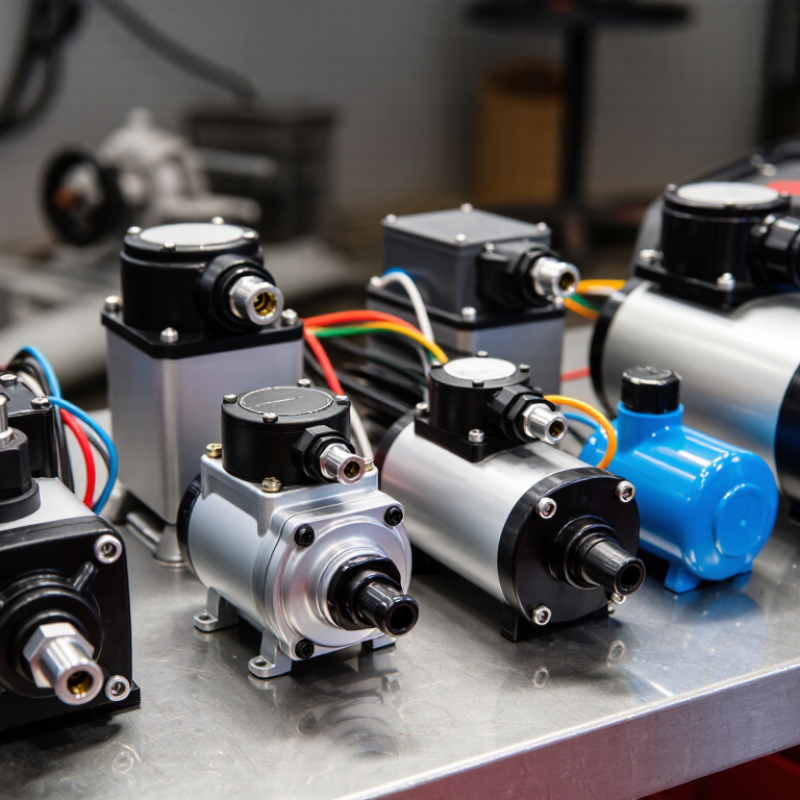
An electric fuel pump moves fuel from the tank to the engine at a controlled pressure and flow rate. Small part. Big job. In many gasoline vehicles, an in-tank electric motor spins an impeller or gerotor, pushing fuel through a strainer and outlet line. The surrounding module may also house a level sensor, filter, and pressure regulator. Exact layouts vary by vehicle.
Port-injected engines typically need lower fuel pressure than direct-injection systems. In many direct-injection designs, an electric pump supplies fuel to a separate mechanical high-pressure pump. This distinction matters when selecting a replacement: matching connector shape is not enough. Pressure rating, flow capacity, voltage, and compatibility with the vehicle’s fuel system all matter. A pump that delivers fuel is not automatically the right pump.
The U.S. Environmental Protection Agency’s 2023 Automotive Trends Report reports average real-world fuel economy of 26.0 miles per gallon for model-year 2022 vehicles. That figure does not measure pump performance, but it highlights the broader need for carefully managed engine operation. A common shortcut is blaming a pump by sound alone; that can mislead. A humming unit may still have weak output, while a quiet one may be functioning normally. Diagnosis should include pressure and electrical checks, not guesswork.
An electric fuel pump moves fuel from the tank to the engine under controlled pressure. Most in-tank units use a small motor to spin an impeller or gerotor. Fuel enters through a strainer, passes through the filter, then travels along lines to the fuel rail. The injectors meter it into the engine. Pressure matters.
The control module may vary pump speed, while a regulator maintains specified pressure. Many gasoline port-injection systems run at roughly 3–5 bar, though specifications vary. Direct-injection engines use a separate high-pressure stage. A quiet hum near the rear seat is common, but humming alone cannot confirm healthy fuel flow.
A practical check measures pressure under load, not just the sound at startup. A restricted strainer or low fuel level can increase pump workload and heat. The U.S. EPA’s 2024 Automotive Trends Report estimates average new-vehicle fuel economy at 27.1 mpg for model year 2023. This fleet figure provides context; it is not a fuel-pump test or proof that a replacement part improves mileage. That distinction matters.
Electric fuel pumps draw fuel from the tank and push it through fuel lines toward the engine. The chart shows approximate supply-pressure ranges: carbureted systems generally use lower pressure, while fuel-injection systems require higher pressure. Actual specifications vary by vehicle and system; gasoline direct-injection engines also use a separate high-pressure pump.
Electric fuel pumps generally fall into two layouts: in-tank and inline. An in-tank pump sits inside the fuel tank, where surrounding fuel helps cool it and reduce operating noise. Inline pumps mount along the fuel line and can suit some replacement or specialist installations, but mounting, vibration, and fuel-line routing need careful attention. Not every vehicle accepts both types.
Specifications matter more than appearance. Check operating pressure, flow rate, voltage, and connector style against the engine system’s requirements. Many port-injection systems use roughly 3–5 bar, while carbureted systems often require much lower pressure, around 0.2–0.5 bar. These are broad ranges, not fitment instructions. Flow should be assessed at the required pressure, since a pump’s free-flow rating can look impressive but mislead. Check the details.
For a common 12-volt setup, verify that the pump’s rated voltage matches the vehicle and that wiring can support its current draw. Also confirm fuel compatibility, especially when the system uses blends or additives. Listen for changes in pump pitch, and note whether performance worsens as the tank level drops; either detail may help with diagnosis, though neither proves the pump is faulty. I’d double-check the vehicle’s service data before choosing a replacement. Small specification differences can matter.
Top Electric Fuel Pumps for Sale Worldwide
How to Choose a Pump for Your Vehicle
Choosing the right electric fuel pump starts with your vehicle’s exact requirements, not the highest advertised flow rate. Check the year, engine, fuel type, and whether the system uses fuel injection or a carburetor. Then compare the pump’s pressure and flow specifications with the vehicle service information. A mismatch can cause poor starting, hesitation, or excessive pressure. Small differences matter.
Also confirm the pump’s mounting style, voltage, connector, and dimensions. An in-tank pump may not fit an older vehicle designed for an external unit. Flow figures can be confusing because some are measured at different pressures. I would not rely on a listing alone; verify the specifications with a qualified technician when details are unclear. That extra check may prevent a costly replacement.
Tips: Keep the old pump’s measurements and connector details handy when comparing options. Inspect the wiring and fuel filter during replacement, too. A pump is only one part of the system, and worn connections can complicate diagnosis. Don’t guess on pressure.
| Pump Type | Common Application | Typical Pressure Range | Installation Position | Key Selection Checks | Important Note |
|---|---|---|---|---|---|
| Low-pressure electric pump | Carbureted gasoline engines | Approximately 4–7 psi | Inline or near the fuel tank | Match the carburetor’s pressure requirement; check fuel compatibility, voltage, mounting orientation, and required flow. | Excess pressure can overwhelm a carburetor needle and seat. Use a pressure regulator if the pump and carburetor specifications require one. |
| In-tank EFI pump | Many gasoline engines with port fuel injection | Often approximately 40–60 psi | Inside the fuel tank, usually as part of a pump module | Check vehicle-specific fit, electrical connector, module design, pressure, flow at operating pressure, and fuel-level sender compatibility. | EFI pressure varies by vehicle. Confirm the required specification in the service information rather than relying on a general range. |
| External high-pressure EFI pump | Port-injected vehicles where an external pump is specified or properly engineered | Commonly within the port-injection range of approximately 40–60 psi | Inline, generally close to the tank and mounted as specified by the pump maker | Verify pressure and flow under load, inlet supply, wiring capacity, fuel-line rating, filtration, and mounting requirements. | Many external pumps are designed to receive a reliable fuel supply at the inlet; installation details affect performance and service life. |
| Gasoline direct-injection low-pressure supply pump | Vehicles with gasoline direct injection (GDI), as the supply stage | Vehicle-specific; some systems operate at higher low-side pressure than port-injection systems | Usually in the tank or within a vehicle-specific fuel module | Match the exact vehicle, control strategy, pressure specification, module, and electrical connections. | This is not the engine-driven high-pressure pump that supplies a GDI fuel rail. Do not substitute a generic port-injection pump without verified compatibility. |
| Electric diesel lift or transfer pump | Diesel engines requiring low-pressure fuel delivery to the injection system | System-specific; follow the vehicle or engine manufacturer’s specification | Tank-mounted or inline, depending on the original system | Check diesel-fuel compatibility, required flow, pressure, filtration, priming method, and whether the system uses a lift pump. | Diesel fuel systems differ widely. A transfer pump is not a replacement for a high-pressure injection pump. |
Choosing guide: Identify the fuel type and injection system first, then match the vehicle’s specified pressure and flow at operating pressure. Confirm fitment, electrical requirements, fuel compatibility, filtration, and any control-module requirements before purchase. Pressure figures shown are general guidance, not universal vehicle specifications.
Electric fuel pumps are available through regional parts suppliers and international online sellers. Shipping times and stock levels can vary, even when a listing appears current. Before ordering, confirm the pump’s fuel type, operating pressure, flow rate, voltage, and connector layout. A pump suited to one engine setup may not fit another. Small differences matter.
Compatibility deserves more attention than price alone. Compare the vehicle’s year, engine, and existing pump specifications with the seller’s fitment information. Check whether the unit includes a strainer, wiring connector, or mounting hardware; these details are not always clear in product photos. Ask about return conditions and warranty coverage before purchase, especially for overseas shipments. Catalog descriptions can be inconsistent, so a second check against service information is sensible.
Tips: Keep the original part number and measure the pump and fittings before ordering. Save the listing details and confirm shipping estimates in writing. If specifications remain unclear, pause and ask a qualified technician. It takes longer, but guessing can cost more.
