

Scroll Top
4801 Bennett Rd. Toledo, Ohio 43612

Top 5 Concrete Batching Plant Options for Global Buyers?

In the global construction industry, the demand for high-quality concrete continues to surge. A robust Concrete Batching Plant is essential for producing consistent and reliable concrete mixes. According to a report by MarketsandMarkets, the concrete batching plant market is projected to grow at a compound annual growth rate (CAGR) of 5.4% from 2021 to 2026. This growth reflects an increasing investment in infrastructure and housing development worldwide.

Selecting the right Concrete Batching Plant can significantly influence project efficiency and output quality. Various options are available, each catering to different production capacities and operational needs. For instance, mobile batching plants offer flexibility for on-site projects, while stationary plants are suitable for large-scale construction endeavors. However, buyers must evaluate their unique requirements and consider factors like sustainability and equipment reliability.

Despite the availability of multiple options, purchasing the right Concrete Batching Plant remains challenging. Comprehensive research and expert consultation are crucial before making a decision. New buyers might overlook critical factors such as technological advancements and maintenance costs, which can impact long-term performance. A well-informed choice can lead to enhanced productivity and profitability in upcoming construction ventures.
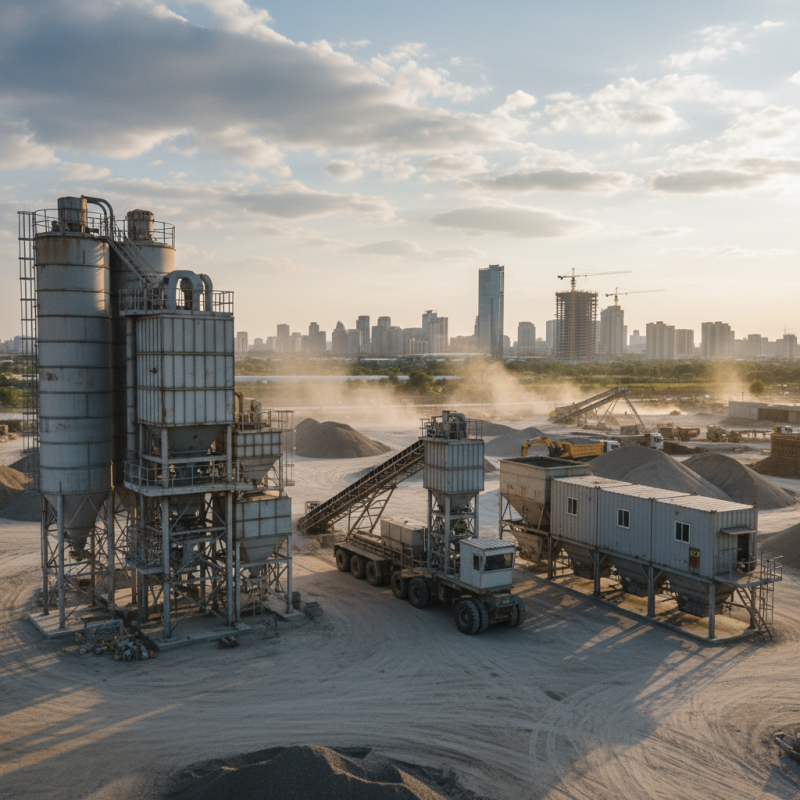
Top 5 Concrete Batching Plant Options for Global Buyers?

Top 5 Concrete Batching Plant Options for Global Buyers

When selecting a concrete batching plant, global buyers often face numerous options. The choice can be overwhelming due to varying capacities and technologies. Understanding your specific needs is crucial for making the best decision.

One valuable tip is to assess your production requirements. Consider the volume of concrete needed on a daily basis. Smaller projects may require mobile plants. Larger operations might benefit from stationary models. This initial analysis can save time and resources.

Additionally, think about adaptability. Some plants can handle various mixtures. This flexibility is essential for changing project demands. However, not every plant can comply with strict regulatory standards. Research each option's compliance with local regulations to avoid future setbacks.

Lastly, connect with industry professionals. Their insights can guide you in choosing the right equipment. Networking at trade shows or online forums can also provide real-world experiences of using different batching plants. Relying on expert advice helps mitigate risks associated with your purchase decision.

Understanding the Basics of Concrete Batching Plants

Concrete batching plants are essential in construction. They integrate various materials to produce concrete efficiently. Understanding their types and functions is crucial for buyers. The global concrete batching plant market is projected to grow at a CAGR of 5.5% from 2021 to 2026, as highlighted in recent industry reports.

These plants come in various configurations, including stationary and mobile setups. Stationary plants are ideal for large-scale projects, while mobile plants offer flexibility. In a recent survey, approximately 62% of construction companies preferred mobile plants for their adaptability. However, buyers must consider their specific needs and environmental factors, as different types serve varying purposes.

Moreover, many buyers overlook maintenance requirements. Neglecting regular upkeep can lead to operational issues. Inadequate training for plant operators is another common pitfall. This can decrease efficiency and increase costs over time. Industry statistics show that proper training can boost productivity by 20%. Being aware of these factors can make a significant difference in procurement decisions.

Criteria for Selecting the Best Concrete Batching Plants

When selecting the best concrete batching plant, several criteria matter greatly. Consider the plant's capacity. Larger capacity plants are suitable for big projects. But smaller projects may require compact models. Assess the production speed. Faster output can boost efficiency but may affect quality. Quality control is key to avoid future issues.


Next, evaluate the plant's ease of use. Can operators quickly learn to manage it? Complex systems can slow down the workflow. Maintenance requirements also need attention. A reliable machine should have accessible parts for repairs. Not all options provide this, which can lead to headaches later.


Lastly, consider the plant's adaptability. Projects change, and so do needs. A batching plant that can adjust mix designs easily can save time and money. Flexibility in operations can be a game changer. Balancing these factors can improve long-term project success.

Overview of Leading Manufacturers in the Concrete Batching Industry

The concrete batching industry features several leading manufacturers. These companies have made significant strides in technology and efficiency. They offer a range of solutions tailored to the needs of global buyers. Their expertise plays a crucial role in optimizing production.

Many manufacturers focus on sustainability. They incorporate eco-friendly practices in their batching plants. This commitment to green technology is essential. It addresses growing environmental concerns. However, some brands still lag in implementing these changes. They risk losing business to more innovative competitors.

Customer support is another key factor. Leading manufacturers prioritize after-sales service. This support helps clients maintain operational efficiency. Yet, not all companies excel in this area. Some struggle with timely responses. Buyers should reflect on these factors when choosing a producer. The right partner can greatly affect project success and longevity.

Comparative Analysis of Features and Pricing of Top Plants

When evaluating Concrete Batching Plants, severalfactors come into play. The features of each plant significantly impact efficiency. Some models offer advanced automation, which streamlines operations. This can reduce labor costs and improve production consistency. Others may focus on capacity, catering to large-scale projects. Buyers should weigh these features based on their specific needs.

Pricing is another crucial aspect. It varies widely depending on the technology and capabilities of the plant. Some plants come with lower upfront costs but lack essential features. This may lead to higher operational expenses down the line. Conversely, investing in a more expensive plant with better features can result in cost savings over time. Buyers often face challenges navigating these options, as understanding long-term value versus initial investment is tricky.

Ultimately, each buyer’s priorities will guide their choice. Features must align with project requirements, while budget considerations remain critical. Reflecting on both aspects ensures the right decision is made, which is vital in this competitive market. Exploring different plants helps paint a clearer picture of what’s best suited for unique needs.

Conclusion

This article explores the top five concrete batching plant options available to buyers worldwide, emphasizing the essential features and criteria that influence selection. Understanding the basics of concrete batching plants is crucial, as it helps buyers identify their specific needs based on project requirements.

The article also provides a comparative analysis of leading manufacturers, highlighting the innovative features, pricing structures, and technological advancements in the industry. With the rapid evolution of concrete batching plant technology, potential buyers are encouraged to stay informed about future trends that could enhance efficiency and sustainability in concrete production.