

The demand for Borewell Drilling Machines is increasing globally. As industries grow, so does the need for efficient machinery. These machines are essential for water sourcing and mineral extraction. Industry expert John Smith once stated, "The right drilling machine can make all the difference in productivity." His words resonate with many in the field.
In selecting the best Borewell Drilling Machines, various factors come into play. Buyers need to consider the machine's depth capacity, durability, and technological features. Each machine serves different purposes, and understanding their specifications is crucial. However, many buyers often overlook essential details, leading to suboptimal choices.
The landscape of borewell technology is ever-evolving. Buyers must stay informed about the latest innovations. Investing in high-quality machinery is not just about cost; it’s about long-term performance. Awareness of potential pitfalls in machine selection can help buyers make informed decisions that yield significant returns.
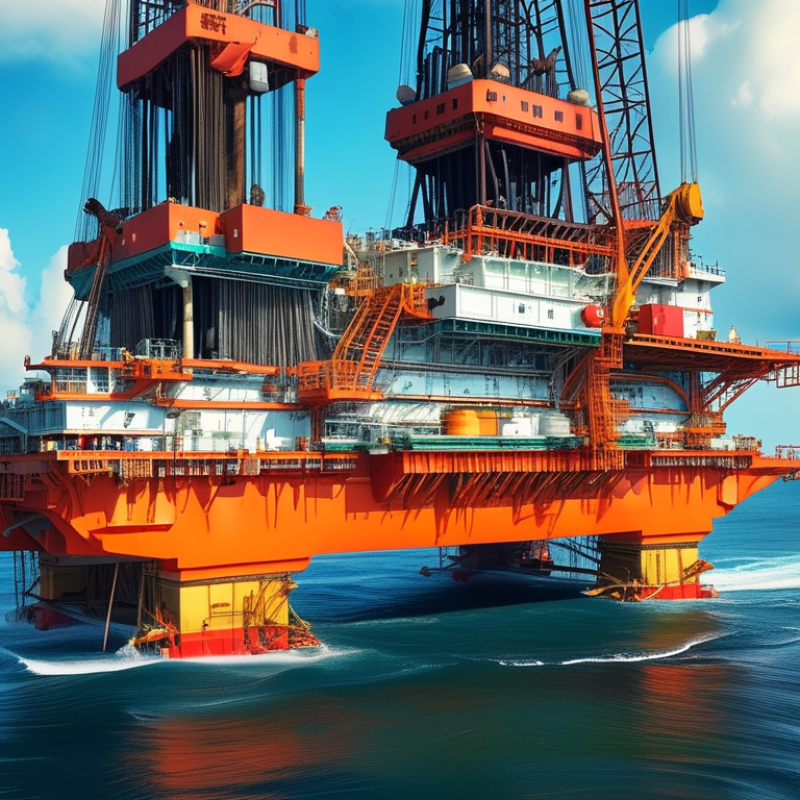
Borewell drilling machines are critical tools in many sectors. They help provide access to underground water, which is essential for agriculture and drinking purposes. Over the years, these machines have become more sophisticated, improving efficiency and reducing environmental impact. Their role in rural development cannot be overstated. Many communities rely on these machines to secure clean water resources.
Choosing the right borewell drilling machine requires understanding various factors. Depth capacity, soil condition, and operational efficiency are key elements. Many users face challenges in maintenance and operation due to a lack of training. A machine may perform well in one environment but fall short in another. Users should consider local conditions when selecting equipment. They must balance cost with reliability and functionality.
The importance of proper training for machine operators should not be ignored. Skills in handling and troubleshooting can significantly improve drilling outcomes. However, there is often a gap in knowledge regarding maintenance practices. This gap can lead to delays and increased costs, which affect productivity. Awareness of these issues can guide better decision-making for global buyers.
Choosing the right borewell drilling machine is critical for efficiency and reliability. One of the primary factors to consider is the drilling capacity. Machines vary greatly, with some capable of drilling depths of over 1500 meters. Understanding the geological conditions of your site is essential. According to industry reports, about 70% of drilling challenges arise from unexpected soil conditions.
Another important aspect is portability. Machines designed for easy transport can save considerable time and labor costs. Weight and size play significant roles here. Additionally, look for robust safety features. A survey indicated that nearly 30% of drilling accidents relate to equipment failures. Safety should never be compromised.
Durability and maintenance are equally significant. Machines built with high-quality materials tend to last longer. However, many operators often underestimate the importance of regular maintenance. Skipping routine checks can lead to costly downtimes. A report from a leading engineering firm emphasized that properly maintained machines can enhance drilling performance by up to 20%. Your choice of a borewell drilling machine must reflect a balance between these critical features for optimal performance.
| Machine Type | Drilling Depth (meters) | Power Source | Weight (kg) | Key Features |
|---|---|---|---|---|
| Air Compressor Drilling Rig | 150 | Diesel | 1200 | High efficiency, portable design |
| Rotary Drilling Rig | 300 | Electric | 2000 | Versatile, high torque |
| Static Piling Rig | 100 | Hydraulic | 1500 | Low noise, precise positioning |
| Water Well Drilling Rig | 200 | Diesel | 1800 | Efficient for water extraction |
| Mini Borewell Drilling Machine | 80 | Electric | 300 | Compact, easy to transport |
| Diamond Core Drilling Rig | 250 | Hydraulic | 1700 | High precision, suitable for hard rock |
| Earth Auger | 50 | Petrol | 20 | Lightweight, easy handling |
| Crawler Drilling Rig | 350 | Diesel | 2500 | Stable and mobile on uneven terrain |
| Tractor Mounted Drilling Rig | 200 | Tractor | 1500 | Versatile, effective for farming |
| Portable Water Well Drill | 100 | Electric | 400 | User-friendly, ideal for small projects |
When considering borewell drilling machines, various factors come into play. These include drilling depth, technology, and efficiency. Machines are designed for different soil types. Some excel in hard rock, while others perform better in softer terrains.
The specifications can vary significantly. For instance, weight, power, and engine type are important. A heavier machine often provides better stability. However, it may limit mobility. Power sources also differ. Some machines use diesel engines, while others operate on electric motors. Each power type carries its advantages and disadvantages.
Buyers should also examine additional features. For example, some machines offer advanced monitoring systems. These systems can improve drilling accuracy but might increase maintenance complexity. It's essential to weigh these factors against your specific needs. Often, a machine's specs can look impressive, but real-world performance can vary. Testing different models is crucial for making the best choice.
When analyzing borewell drilling machines for global markets, various factors must be considered. The machines vary in size and capabilities. Key features such as depth capacity, power source, and portability play crucial roles in user selection. Some machines excel in soft soil drilling, while others perform better in rocky terrains. Understanding these differences helps buyers make informed choices.
The technical capabilities of each machine vary significantly. Some models include advanced drilling technology, while others use simpler mechanisms. Buyers should assess the required drilling depth and soil type before purchasing. Additionally, the availability of spare parts and service support can influence the decision. A well-supported machine can save time and costs in the long run.
While many machines boast impressive features, they may come with drawbacks. For example, larger machines may be less maneuverable in tight spaces. Similarly, highly automated options could be expensive to maintain. Evaluating both strengths and weaknesses is vital for making a sound investment. Balancing performance and affordability is often a challenge for potential buyers in this competitive market.
Maintaining borewell drilling machines is crucial for optimal performance. Regular inspections help identify worn components before they cause major issues. According to industry reports, improper maintenance can increase the failure rate of drilling equipment by 30%. Operators should check seals, bearings, and hydraulic fluids consistently.
Proper lubrication is another key aspect. Experts suggest using manufacturer-recommended lubricants to avoid overheating. Overheating can lead to a 20% decrease in efficiency. Additionally, operators must monitor the machine's temperature and pressure gauges. Any anomalies should trigger immediate action.
In the field, dirt and debris can accumulate quickly. Keeping the drilling site clean prevents unnecessary wear. Operators need to clean filters and cooling systems regularly. Neglecting these tasks can reduce the lifespan of the machine. Many professionals overlook these details, assuming they are minor. However, small oversights can lead to costly repairs and downtime.
