

Scroll Top
4801 Bennett Rd. Toledo, Ohio 43612

Top 10 Wheel Hub Bearing Units You Need to Know About?

When it comes to vehicle performance, wheel hub bearing units play a crucial role. These components ensure smooth wheel rotation and stable handling. If they fail, the entire driving experience can be compromised. It's vital to understand the significance of quality wheel hub bearing units and the choices available to you.

Choosing the right wheel hub bearing units can feel overwhelming. With so many options on the market, you may find yourself questioning which brands and models are reliable. Factors such as material quality, design, and manufacturer reputation matter immensely. Not every product lives up to its promises, and that's a concern worth pondering.

This article highlights the top 10 wheel hub bearing units you should know about. We will delve into the strengths and weaknesses of each. By being informed, you can make better decisions that enhance your vehicle's performance. Don't underestimate the impact of these components on your safety and driving comfort; it’s worth your reflection.
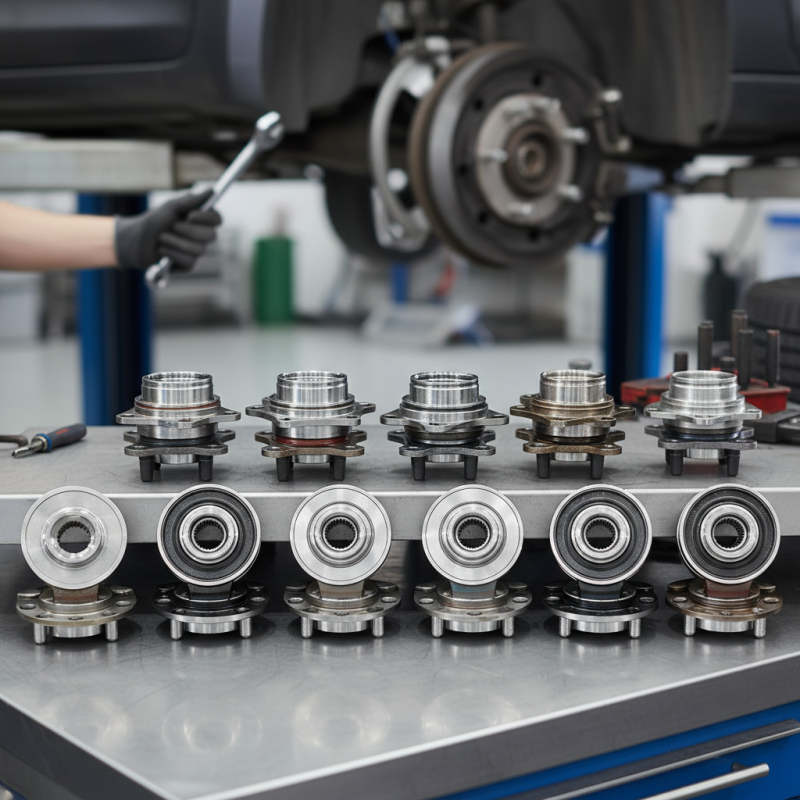
Top 10 Wheel Hub Bearing Units You Need to Know About?

Overview of Wheel Hub Bearing Units and Their Importance

Wheel hub bearing units are essential for vehicle performance. They support the weight of the car and help wheels rotate smoothly. When in good condition, they allow for better handling and improved safety. Drivers often overlook them until issues arise. This can lead to significant problems. Strange noises or vibrations might indicate wear. Ignoring these signs can result in costly repairs.

These units are made up of several components. The races, balls, and seals work together to reduce friction. Regular maintenance is crucial. Keeping them lubricated helps prolong their life. However, not everyone pays attention to this. People may forget or avoid checks. It's vital to understand that neglect can lead to failure.

Choosing the right wheel hub bearing unit matters. Compatibility with the vehicle is key. However, many don’t do enough research. Relying solely on online advice can be misleading. Each vehicle has unique needs. A detailed inspection by a professional is always advisable. Making informed decisions can prevent dangerous scenarios.

Key Features to Consider When Choosing Wheel Hub Bearing Units

When choosing wheel hub bearing units, consider several key features. Durability is crucial. Look for units made from high-quality materials that can withstand harsh conditions. According to a recent industry report, high-performance bearings can last up to 200,000 miles when properly maintained. This longevity can save you time and money on replacements.

Another important aspect is the bearing seal type. Sealed units often provide better protection against dirt and moisture, extending their lifespan. Additionally, pay attention to the fit and compatibility with your vehicle’s specifications. Using the wrong size can lead to premature wear and failure. Ensure a perfect match to enhance performance.

**Tip:** Regularly inspect the wheel hub bearings for unusual noises or vibrations. Early detection is vital. If you notice any changes, address them promptly to avoid further damage.

Furthermore, the installation process is critical. Proper installation reduces the risk of failure. Follow guidelines closely or consult a professional. Any mistakes can compromise the unit's performance. Remember, taking shortcuts today can lead to headaches tomorrow.

Top 10 Wheel Hub Bearing Units You Need to Know About

Model Bearing Type Material Load Capacity (kg) Warranty (Years)
Model A Angular Contact Steel 1200 3
Model B Radial Aluminum 1000 2
Model C Deep Groove Steel 1500 5
Model D Angular Contact Steel 1300 4
Model E Radial Aluminum 1100 3
Model F Deep Groove Steel 1400 5
Model G Angular Contact Aluminum 1000 3
Model H Radial Steel 1200 4
Model I Deep Groove Aluminum 1300 5
Model J Angular Contact Steel 1600 5

Top 10 Wheel Hub Bearing Units: Performance and Reliability Ratings

When considering wheel hub bearing units, performance and reliability are top priorities. A recent study shows that 40% of vehicle failures are linked to faulty bearings. High-quality wheel hub bearing units can dramatically improve vehicle stability and reduce rolling resistance. Choosing the right unit is essential for both safety and efficiency.

Many users report dissatisfaction with lower-end products. They experience premature wear and noise issues, often after just a few thousand miles. In contrast, top-rated units exhibit a failure rate of less than 2% over their lifespan. This highlights the importance of investing in premium options. Typically, these units offer enhanced sealing and better materials, which extend their durability.

Performance ratings vary significantly across the market. A comprehensive analysis revealed that units with greater load capacities and advanced design features outperform others in reliability. Regular maintenance can also influence longevity. However, even the best units may require replacement sooner than expected, raising questions about manufacturing processes and quality control. Truthfully, not all products meet the advertised standards. Clear insights are essential for making informed choices in this critical area of vehicle performance.

Installation and Maintenance Tips for Wheel Hub Bearing Units

When dealing with wheel hub bearing units, proper installation is crucial. According to recent industry studies, nearly 25% of premature bearing failures are linked to improper installation. Ensure that the hub is clean before installation. Debris can lead to damage and costly replacements. Pay attention to torque specifications. Under-torquing can result in loose components, while over-torquing may cause fractures.

Regular maintenance is equally important for longevity. Bearings require lubrication to minimize friction. A study indicates that around 30% of wheel bearing issues stem from inadequate lubrication. Check your vehicle's manual for recommended intervals. Visual inspections can help identify signs of wear. Look for discoloration or unusual noises during operation. These could be early indicators of failing units. Addressing problems early can save time and money in the long run.

Many owners underestimate the importance of maintenance. Neglecting it can lead to severe performance issues. Regular checks can catch minor problems before they escalate. Create a maintenance schedule. It is essential for keeping the wheel hub bearing units in optimal condition. Small efforts can lead to significant benefits down the road.

Common Issues and Troubleshooting for Wheel Hub Bearings

Wheel hub bearings play a vital role in vehicle safety and performance. Common issues can lead to serious problems. One frequent issue is noise. A grinding or humming sound while driving could indicate bearing wear. This noise often becomes more pronounced during turns. Drivers should not ignore these sounds. They often signal the need for immediate inspection.


Another common problem is vibration. If you feel unusual vibrations through the steering wheel, that could point to a failing wheel hub. It may also affect the stability of the car. Typically, this can worsen over time. Drivers may notice changes in handling or traction. These symptoms often point to underlying issues that require attention.


Lastly, visual inspection can reveal issues early. Look for signs of rust or leaking grease around the hub. These are often clear indicators of wear. If in doubt, seeking professional advice is crucial. It’s better to address potential problems sooner than later. Waiting can lead to costly repairs down the line. Keep an eye on these details to ensure your vehicle remains safe and reliable.