
Scroll Top
4801 Bennett Rd. Toledo, Ohio 43612

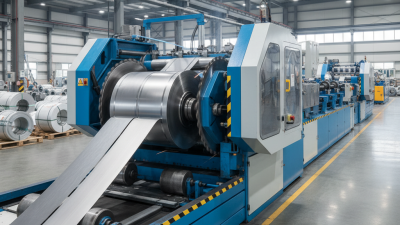
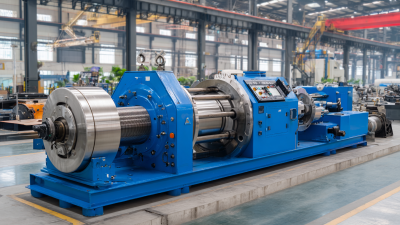
2025 Top 10 Roller Mill Machines for Efficient Milling and Production

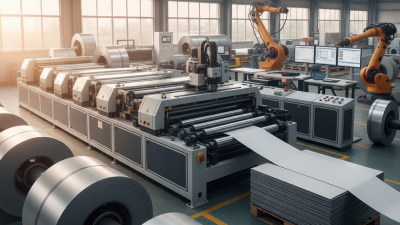
As the demand for efficient milling and production continues to rise, businesses are increasingly seeking advanced technologies to enhance their operations. Among these technologies, the roller mill machine has emerged as a vital tool in various industries, particularly in the processing of grains, minerals, and other materials. In 2025, we anticipate an impressive lineup of the top 10 roller mill machines that promise to revolutionize milling efficiency and production capabilities.

These state-of-the-art machines are designed to optimize performance, reduce energy consumption, and improve product quality, making them indispensable for manufacturers aiming to stay competitive in a rapidly evolving market. By evaluating the latest innovations and features of these roller mill machines, businesses can make informed decisions that drive their production goals forward. From enhanced automation to precise milling, the future of milling technology is bright, and this comprehensive overview will guide you through the very best options available in 2025.

2025 Top 10 Roller Mill Machines for Efficient Milling and Production

Top Features to Consider in Roller Mill Machines for 2025

When selecting roller mill machines for efficient milling and production in 2025, several key features should be at the forefront of your decision-making process. Firstly, the precision of the grinding mechanism is paramount. Advanced technologies, such as digital controls and sensor integration, can enhance the accuracy of particle size distribution, leading to higher quality outputs. Machines equipped with adjustable roller gaps enable operators to customize the milling process according to specific material characteristics, improving the overall efficiency.

Energy efficiency is another critical aspect to consider. Modern roller mills should be designed with energy-saving features, such as variable frequency drives and optimized motor performance. These innovations not only reduce operational costs but also support sustainable manufacturing practices. Additionally, maintenance-friendly designs with easy-access components can greatly minimize downtime, allowing for smoother operations and increased throughput. Choosing roller mill machines that incorporate these advanced features will ensure a significant boost in productivity for businesses looking to thrive in 2025.

Comparison of Leading Brands in Roller Mill Technology

In the competitive landscape of milling technology, selecting the right roller mill machine is crucial for maximizing efficiency and production output. Recent reports suggest that the global roller mill market is projected to reach USD 1.5 billion by 2025, growing at a CAGR of 4.2% from 2020. Leading brands such as Bühler, Gebr. Pfeiffer, and Ocrim have been at the forefront of this innovation, each offering unique features that cater to diverse production needs. Bühler's Antares line is renowned for its precise adjustment capabilities, allowing for optimal product quality and reduced energy consumption, while Gebr. Pfeiffer emphasizes durability and low maintenance costs in their MVR series.

A comparative analysis reveals that these brands not only focus on efficiency but also on technological advancements such as automation and IoT integration. For example, Ocrim’s latest machines incorporate smart sensors for real-time monitoring, significantly improving operational efficiency and minimizing downtime. According to a 2023 industry report, mills utilizing advanced roller mill technology have reported up to a 30% increase in production rates, highlighting the critical role of equipment choice in the milling process. Understanding these distinctions not only informs purchasing decisions but also enhances the overall productivity of milling operations.

Innovative Milling Techniques for Enhanced Production Efficiency

Innovative milling techniques play a crucial role in the efficiency and productivity of roller mill machines. As the industry evolves, advancements in technology are introducing smart features that enhance precision and minimize operational downtime. For instance, the incorporation of digital monitoring systems allows for real-time adjustments and analytics, enabling operators to optimize the milling process based on the specific characteristics of the grain being processed. This not only improves the quality of the final product but also increases throughput without compromising on energy efficiency.

Moreover, the use of advanced materials in the construction of roller mills contributes to enhanced performance and longevity. Newer designs often feature wear-resistant elements and innovative roller geometries that facilitate better milling action and reduce the energy consumed during operation. By integrating these innovative techniques, roller mill machines are becoming increasingly sophisticated, supporting industries in meeting higher production demands while also ensuring sustainability and cost-effectiveness in their operations. As 2025 approaches, these enhancements will be pivotal in shaping the future landscape of milling technology.

Maintenance Tips for Maximizing the Lifespan of Roller Mill Equipment

Maintaining roller mill equipment is crucial for maximizing its lifespan and ensuring efficient production. Regular maintenance not only minimizes downtime but also enhances productivity, especially in an environment where raw materials are both costly and scarce. According to a recent industry report, equipment downtime can cost manufacturers approximately $260,000 per hour, emphasizing the need for proactive maintenance strategies.

Employing condition-based maintenance can drastically reduce unexpected breakdowns and improve reliability, allowing mills to achieve optimal performance.

Operators should also pay attention to the cleaning and lubrication of components, as neglecting these tasks can lead to significant wear and tear. A study found that up to 30% of maintenance issues stem from inadequate cleaning, which can hinder machine efficiency and lead to product quality issues.

Implementing a routine preventive maintenance schedule can help identify potential problems before they escalate, ensuring that roller mills operate smoothly throughout their service life. Proper training for staff on maintenance best practices is essential to avoid the common oversight of neglecting essential upkeep tasks, promoting both equipment longevity and production efficiency.

Future Trends in Roller Mill Machinery for Sustainable Production

2025 Top 10 Roller Mill Machines for Efficient Milling and Production

As the milling industry continues to evolve, the focus has shifted towards sustainable production methods that align with global environmental goals. In recent years, reports suggest that over 40% of energy used in milling processes can be reduced through the implementation of advanced roller mill technology. These machines, designed for high-efficiency operation, are now incorporating features such as energy recovery systems and smarter automation processes, not only decreasing energy consumption but also minimizing waste.

Moreover, the future of roller mill machinery is set to embrace digital technologies, including IoT and AI, which are expected to enable predictive maintenance and optimize production schedules. A report by MarketsandMarkets predicts that the global smart machinery market will grow from $36.5 billion in 2021 to $67.4 billion by 2026, indicating a significant shift towards intelligent manufacturing processes. This transformation will not only enhance productivity but also ensure that production methods meet the sustainability criteria demanded by consumers and regulators alike.

With such advancements on the horizon, the roller mill sector is poised to play a critical role in achieving efficient, sustainable production practices, ultimately contributing to the broader goals of minimizing ecological impact while maximizing productivity.