

Scroll Top
4801 Bennett Rd. Toledo, Ohio 43612

China Top 10 Painting Line Manufacturers?

China’s Painting Line manufacturing sector is expanding with the broader demand for efficient, automated surface finishing. Grand View Research estimated the global paints and coatings market at approximately USD 206.56 billion in 2023. It also projected continued growth through 2030. This trend increases pressure on manufacturers to deliver stable coating thickness, lower overspray, and reliable production speed.

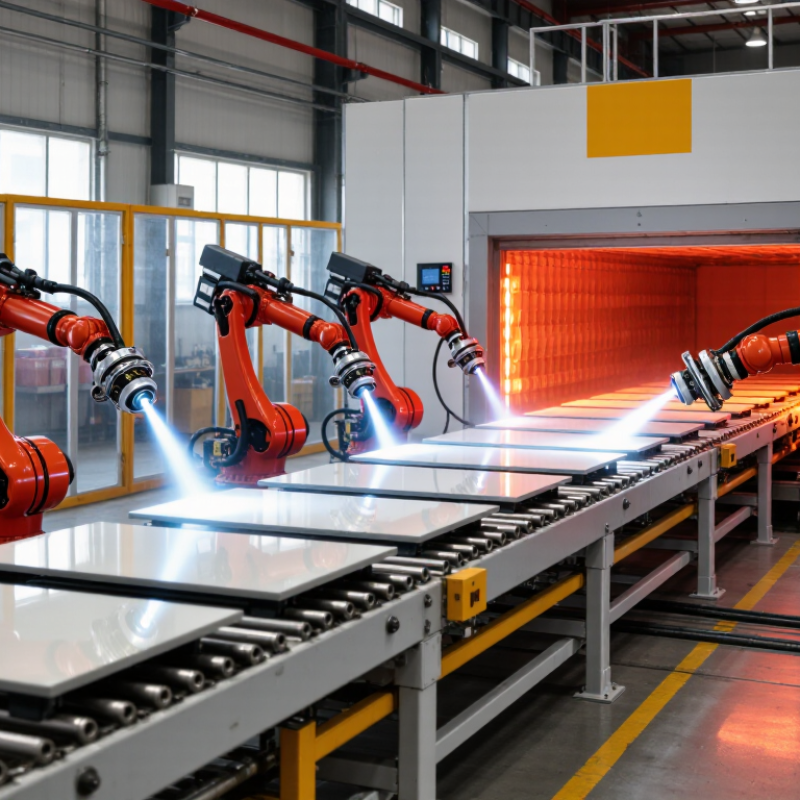
Automation is becoming a decisive factor. The International Federation of Robotics reported that China installed 276,288 industrial robots in 2023, representing more than half of global installations. That investment supports modern Painting Line systems with robotic spraying, conveyor tracking, curing ovens, and digital process monitoring. In practical terms, a strong line should maintain even coverage across steel panels, reduce manual touch-ups, and control oven temperatures consistently.

This overview examines ten notable Chinese manufacturers and their practical strengths. The comparison considers engineering capability, customization, production capacity, after-sales support, certifications, and export experience. Public information is not equally detailed across every supplier. A ranking is never perfect. Some companies publish impressive specifications but provide limited operating data. Buyers should therefore verify factory visits, reference projects, energy consumption, warranty terms, and spare-parts availability before selecting a partner. The best supplier may not be the largest one. It may be the manufacturer that understands your substrate, coating chemistry, factory layout, and target output. Reports provide useful market direction, but real performance still depends on commissioning quality and daily maintenance.
China Top 10 Painting Line Manufacturers?

What Is a Painting Line and How Does It Work?

A painting line is an integrated production system for preparing, coating, drying, and inspecting parts. It usually includes loading stations, pretreatment tanks, drying ovens, spray booths, curing ovens, conveyors, and control panels. The conveyor sets the rhythm. Parts move through cleaning, surface treatment, coating, and heat curing. Powder systems normally require a curing oven, while liquid systems need controlled airflow and solvent management.

According to Grand View Research’s 2024 powder coatings analysis, the global powder coatings market reached about USD 13 billion in 2023. This growth increases demand for stable, automated painting lines. However, the line is not only about speed. The International Energy Agency reports that industry consumes roughly 37% of global final energy. Therefore, oven insulation, heat recovery, and conveyor timing deserve close attention. A line may look efficient on paper, yet poor loading patterns can create uneven film thickness and wasted energy. That is an easy detail to underestimate.

Tips: Check the coating specification before selecting equipment. Measure part size, hourly output, paint type, oven temperature, and required film thickness. Ask for test panels using your actual material. Record surface cleanliness, adhesion, color difference, and curing results. Also inspect ventilation and maintenance access. A cheaper line can become expensive when filters, pumps, or heating elements are difficult to replace. Leave room for adjustment; real production rarely behaves perfectly.

How to Evaluate Chinese Painting Line Manufacturers

When comparing China’s top 10 painting line manufacturers, do not rank them by website design. A reliable evaluation starts with your product, not a sales brochure. Share panel dimensions, material type, target coating, daily output, and workshop space. Ask each supplier to explain pretreatment, drying, spraying, curing, and exhaust control. Their answer should match your process conditions. It should not sound copied.

Request a complete line layout with machine models, utility consumption, and estimated cycle time. Check whether the oven temperature stays even across the chamber. During a factory visit, inspect welds, cable routing, filters, and emergency stops. Small details reveal engineering discipline. Ask for test panels using your actual material and paint. Measure adhesion, gloss, color difference, and coating thickness with calibrated tools. A polished sample proves little if its measurement record is missing.

Verify installation experience through recent customer references, not selected testimonials alone. Confirm spare-part availability, remote support hours, training, and response procedures in writing. Review certificates, inspection reports, and payment milestones independently. The lowest quotation can hide weak ventilation, high energy use, or difficult maintenance. I have seen buyers focus on line speed and overlook cleaning time. That mistake is expensive. My own checklist is still imperfect; humidity, local labor skills, and future product changes can alter the result. Leave room for a second technical review before signing.

China’s Top 10 Painting Line Manufacturers

China’s Top 10 Painting Line Manufacturers

China’s top 10 painting line manufacturers are usually judged by engineering depth, production experience, and after-sales reliability. The strongest suppliers design complete systems, including pretreatment, spray booths, curing ovens, conveyors, and control panels. They also adapt equipment to steel, aluminum, furniture, and industrial components.

In practical evaluations, I would inspect factory records, process drawings, and testing procedures. A reliable manufacturer should explain airflow balance, coating thickness, oven temperature stability, and energy use in clear terms. Factory acceptance testing matters. So does documentation.

Small details reveal expertise.

Leading suppliers often provide layout simulation, installation guidance, operator training, and spare-parts planning. Their engineers should understand humidity, dust control, surface preparation, and production speed. Environmental performance also deserves attention. Filtration, heat recovery, and safe waste handling can reduce operating pressure while supporting applicable regulations.

However, a top-ten list is never permanent. Project fit may matter more than general reputation. Some manufacturers offer impressive automation but limited customization. Others provide flexible engineering but weaker international support. Buyers should compare references, warranty terms, service response, and total operating cost. I would also request a sample coating trial before signing a major contract. One overlooked issue is maintenance access. A visually advanced line can still become difficult and expensive to service.

Key Differences in Technology, Capacity, and Service

China Top 10 Painting Line Manufacturers? Key Differences in Technology, Capacity, and Service

A credible top-ten list should compare measurable results, not showroom appearance. Grand View Research estimates the global powder coatings market reached USD 13.09 billion in 2023. It may reach USD 20.22 billion by 2030. This growth increases demand for faster, cleaner, and more flexible painting lines. Leading Chinese manufacturers usually offer automatic loading, robotic spraying, conveyor tracking, and closed-loop curing control. However, technology quality differs. Check coating thickness variation, transfer efficiency, oven temperature uniformity, and line changeover time. A modern robot is not enough.

Capacity also needs careful interpretation. Some suppliers quote maximum pieces per hour under ideal conditions. Real output may fall after color changes, maintenance, or rejected parts. Ask for tested throughput, conveyor load, oven length, and documented uptime. The European Commission’s Surface Treatment BREF identifies energy, water, and solvent emissions as important operating concerns. These factors directly affect production costs and environmental performance. Certification helps, but it does not replace factory acceptance testing.

Tips: Request a sample coating trial before signing. Review three months of spare-parts records. Confirm response times in writing. The U.S. Department of Energy notes that compressed-air systems can lose significant energy through leaks, so inspect air consumption carefully. Service is often the weak point. Remote support may solve alarms, but complex failures still require trained engineers. A low purchase price can become expensive after installation. That assumption deserves review.

China Top 10 Painting Line Manufacturers — Key Differences in Technology, Capacity, and Service

This chart presents common engineering reference ranges used when evaluating industrial painting-line suppliers. Conveyor speed, powder curing temperature, coating thickness, transfer efficiency, and pretreatment stages are shown as typical operating ranges rather than company rankings. Actual specifications vary according to workpiece size, coating material, automation level, and production requirements.

How to Choose the Right Chinese Manufacturer for Your Needs

China Top 10 Painting Line Manufacturers?

Choosing the right Chinese painting line manufacturer requires more than comparing prices. Define your process first: product size, coating material, daily output, drying temperature, and available workshop space. A reliable supplier should convert these details into a clear process flow and equipment layout. Ask for drawings, utility requirements, and expected energy consumption. Vague answers deserve caution.

Request evidence from similar installations. Examine factory photographs, commissioning records, and customer references from the same industry. If possible, visit the production site and inspect welding quality, conveyor movement, spray uniformity, and control-panel wiring. Check whether the manufacturer performs testing before shipment. Factory acceptance testing can reveal weak airflow, uneven heating, or unstable speed control early.

Do not select equipment from a quotation alone. Compare component specifications, spare-parts availability, installation support, training, and response times. Written warranty terms matter. So does technical communication. A capable engineering team should explain limitations without hiding behind impressive promises. The cheapest proposal may become expensive after modifications, delays, or difficult maintenance.

I have seen projects suffer because the buyer measured only output. That was a mistake. Floor space, local technicians, ventilation, and future product changes also affect performance. Ask what happens when your product changes. Ask again in writing. A thoughtful manufacturer may recommend a simpler line, not a larger one. That restraint can be a stronger sign of professional judgment than a polished sales presentation.

Article Source: